Solar Lease vs Ownership Comparison: Which Saves More?
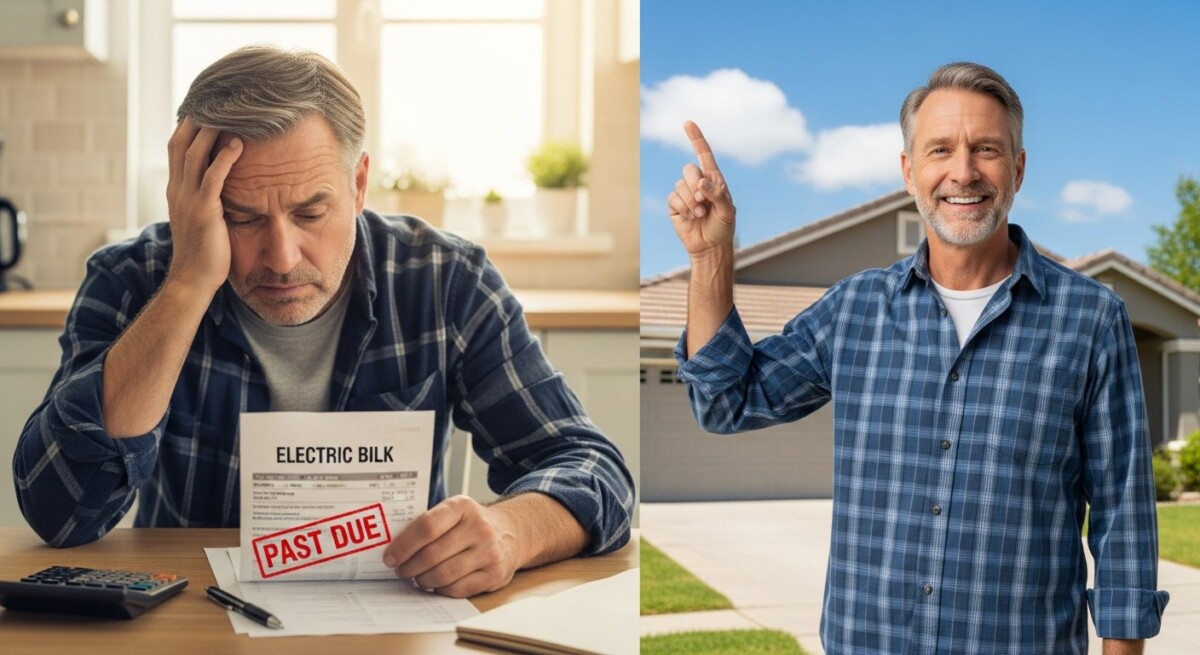
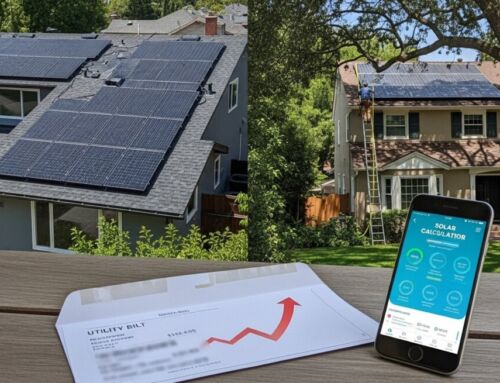
You open your monthly electric bill and wince. The number keeps climbing, and you wonder if there is a smarter way to power your home. This is why thousands of homeowners are searching for a solar lease vs ownership comparison to find the best path to lower energy costs. You want to reduce your electricity bills and become less dependent on the power grid, but the upfront cost of solar panels can feel overwhelming. Understanding the difference between leasing and owning is the first step toward energy freedom.
Understanding Solar Lease vs Ownership Comparison
A solar lease vs ownership comparison helps you decide how to pay for your solar panel system. When you lease solar panels, a third-party company installs and owns the equipment on your roof. You pay a fixed monthly fee for the electricity the panels produce, which is usually lower than your utility rate. With ownership, you buy the system upfront or through a loan, and you keep all the energy savings and tax credits.
More homeowners are considering solar because it offers a hedge against rising electricity prices. Leasing provides immediate savings with no large initial investment, while ownership maximizes long-term financial returns. The right choice depends on your budget, your homeownership timeline, and your goals for energy independence.
How Solar Leasing Works
In a solar lease, the installer handles all maintenance, repairs, and monitoring for the duration of the contract, typically 20 to 25 years. You pay a monthly lease payment that is generally lower than your previous utility bill. However, you do not qualify for federal tax credits or local rebates,those go to the leasing company.
Why Solar Energy Is Becoming More Popular
Electricity rates have risen steadily across the United States, prompting homeowners to seek alternatives. Solar power offers a predictable energy cost that protects you from future rate hikes. At the same time, environmental concerns are driving people to reduce their carbon footprint by generating clean energy at home.
Long-term savings also play a major role. Many homeowners who buy their solar systems see a full return on investment within 6 to 10 years, followed by decades of nearly free electricity. The combination of financial and environmental benefits makes solar one of the most popular home improvements in the country.
If you are considering solar power for your home, comparing installation quotes can help you understand your options. Request a free solar quote or call 1-800-555-0199 to learn more.
Common Questions Homeowners Have About Solar
Many homeowners worry about the upfront installation cost and whether their roof is suitable for panels. Others question how well solar systems perform in cloudy weather or during winter months. These are valid concerns, but professional installers can address them with a thorough home energy assessment.
Below are some of the most frequent questions homeowners ask when researching solar:
- How much does a solar panel system cost?
- Will solar panels work on my roof type and age?
- What happens if I move before my lease ends?
- How long do solar panels last?
- Can I get solar if my roof needs repairs first?
- Does solar really save money in the long run?
How Solar Panel Installation Works
Installing solar panels is a straightforward process when you work with experienced professionals. The first step is a home energy assessment, where an installer reviews your electricity usage and roof condition. After that, they design a system customized to your energy needs and the sun exposure of your property.
Once the design is approved, the installer handles all permits and approvals with your local utility and municipality. The actual panel installation usually takes one to three days, followed by a final inspection and system activation. From start to finish, the entire process often takes four to eight weeks.
- Home energy assessment and site evaluation
- Custom system design and financial proposal
- Permit applications and utility approvals
- Professional panel installation on your roof
- Final inspection and grid connection for activation
Speaking with experienced installers can help you determine the best solar solution for your home. Compare solar quotes here or call 1-800-555-0199 to explore available options.
Signs Your Home May Be Ideal for Solar
Not every home is perfectly suited for solar, but many are. The ideal property has a south-facing roof with strong sunlight exposure for most of the day. If your electricity bills are consistently high, solar can provide immediate and long-term savings.
You also need adequate roof space that is structurally sound and free from heavy shading from trees or nearby buildings. If you plan to stay in your home for at least five to ten years, ownership becomes especially attractive because you have time to recoup your investment.
- Your roof receives direct sunlight for most of the day
- Your monthly electricity bills are above average
- You have at least 300 square feet of unshaded roof area
- You plan to stay in your home for five years or more
- Your roof is in good condition or less than ten years old
- Your state or local utility offers solar incentives or net metering
What Affects Solar Installation Costs
The cost of a solar system depends on several key factors. System size is the biggest driver,a larger system that covers most of your electricity use will cost more than a smaller setup. Equipment quality also matters; premium panels and inverters carry a higher price but often deliver better performance and longer warranties.
Installation complexity can add to the cost if your roof has multiple angles, requires structural reinforcement, or needs electrical panel upgrades. On the bright side, local incentives and the federal solar investment tax credit (ITC) can reduce your out-of-pocket cost by 30% or more. Comparing quotes helps you see exactly how these factors affect pricing for your home.
The cost of solar installation varies depending on your home and energy needs. Request personalized solar quotes or call 1-800-555-0199 to see what options are available.
Tips for Choosing a Reliable Solar Installer
Choosing the right installer is just as important as choosing the right solar system. A reputable company will have years of experience, proper licensing, and strong customer reviews. They should also offer solid warranties on both the equipment and their workmanship.
Always compare at least three quotes before making a decision. This helps you spot fair pricing and avoid high-pressure sales tactics. A trustworthy installer will take time to answer your questions and explain the solar lease vs ownership comparison without pushing you into one option.
- Review the installer’s years in business and local reputation
- Check warranty coverage for panels, inverters, and roof penetration
- Read recent customer reviews on independent platforms
- Request itemized quotes from multiple companies
- Ask about ongoing maintenance and monitoring services
Long-Term Benefits of Installing Solar Panels
Installing solar panels lowers your electricity bills for decades. With ownership, your average monthly cost can drop to near zero after the system is paid off. Even with a lease, you typically save 10% to 30% on your electric bill compared to staying with the utility.
Solar also adds value to your home. Studies show that homes with solar panels sell faster and for a higher price than comparable non-solar homes. Beyond financial gains, you gain energy independence and reduce your household’s environmental impact by offsetting thousands of pounds of carbon dioxide each year.
How Much Can You Save With Solar Ownership?
Homeowners who purchase their systems with cash or a loan often save $20,000 to $50,000 over the 25-year life of the panels. These savings come from avoided utility costs, net metering credits, and the 30% federal tax credit. Leasing offers lower savings but requires no upfront money, making it a good option for budget-conscious homeowners.
Frequently Asked Questions
What is the main difference between a solar lease and a solar loan?
A solar lease means you pay a fixed monthly fee to use panels owned by a third party. A solar loan lets you own the system after you finish paying it off. With a loan, you keep all the tax credits and incentives, while with a lease, those benefits go to the leasing company.
Can I sell my home if I have a solar lease?
Yes, you can sell your home with a solar lease, but the new buyer must qualify to take over the lease agreement. Some buyers may prefer a home with owned solar panels because there is no ongoing payment. Working with a knowledgeable real estate agent can help you navigate this process.
How long does it take for solar panels to pay for themselves?
The payback period for owned solar panels typically ranges from 6 to 10 years, depending on your electricity rates, system cost, and available incentives. After that point, your electricity is essentially free for the remaining life of the panels, which is usually 25 to 30 years.
What happens if my roof needs repairs after solar panels are installed?
If you own the panels, you may need to pay for temporary removal and reinstallation to complete roof repairs. Many leasing companies include roof penetration warranties that cover this cost. Either way, it is best to ensure your roof is in good condition before installing solar.
Do solar panels work during a power outage?
Standard grid-tied solar systems shut down during a power outage for safety reasons. To keep power during an outage, you need a battery storage system like the Tesla Powerwall or Enphase Encharge. Batteries add to the upfront cost but provide backup power and greater energy independence.
Are there government incentives for solar energy in 2025?
Yes, the federal solar investment tax credit (ITC) allows you to deduct 30% of your solar system cost from your federal taxes. Many states and utilities also offer additional rebates, performance-based incentives, or net metering programs. These incentives can reduce your net cost significantly.
Choosing between a solar lease and ownership is a personal decision that depends on your financial situation and long-term plans. By understanding the solar lease vs ownership comparison, you can make an informed choice that lowers your electricity bills and moves you toward energy independence. The best way to start is by comparing quotes from multiple professional installers to see what works for your home.