Solar Panel Cost Per Watt Explained for Homeowner Savings

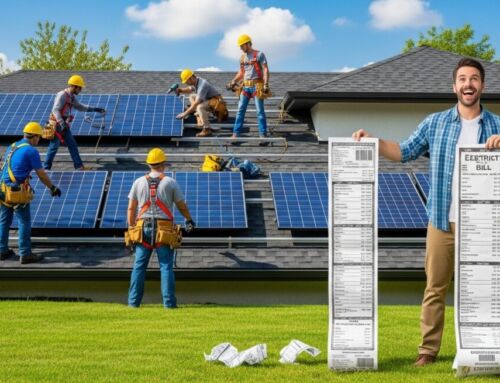
If you’ve opened your electricity bill recently and felt a jolt of surprise, you’re not alone. Many homeowners are searching for ways to reduce their energy costs and gain independence from the unpredictable power grid. Understanding the solar panel cost per watt explained is a crucial first step in this journey, as it demystifies the pricing of solar energy systems and reveals the path to long-term savings.
Understanding Solar Panel Cost Per Watt Explained
At its core, the solar panel cost per watt is a simple metric used to compare the price of different solar energy systems. It tells you how much you are paying for each watt of electricity-generating capacity. Think of it like the price per square foot when buying a house,it standardizes the cost so you can make an apples-to-apples comparison between different proposals.
To calculate it, you take the total gross cost of the solar panel system (before incentives) and divide it by the system’s total capacity in watts (W) or kilowatts (kW). For example, a 6 kW (6,000-watt) system costing $18,000 has a cost per watt of $3.00 ($18,000 / 6,000 W). This figure helps you cut through the complexity and see the true value of each quote you receive.
What Does “Watt” Mean in This Context?
A watt is a unit of power, and in solar terms, it measures the rate at which your panels can produce electricity under ideal conditions. Your system’s total wattage (its size) is a key factor in how much of your electricity bill it can offset. A professional installer will help you determine the right system size based on your past energy usage and future needs.
Why Solar Energy Is Becoming More Popular
Homeowners are turning to solar power for several powerful reasons. First and foremost, electricity rates from traditional utilities continue to climb, making a fixed-cost solar system an attractive financial shield. By generating your own power, you lock in a lower energy cost for decades, protecting yourself from future rate hikes.
Beyond the wallet, there’s a growing desire for energy independence and environmental stewardship. Solar panels allow you to take control of your energy source, reduce your carbon footprint, and contribute to a cleaner future. Combined with significant long-term savings, these benefits make solar an increasingly smart and popular home investment.
If you are considering solar power for your home, comparing installation quotes can help you understand your options. Request a free solar quote or call to learn more.
Common Questions Homeowners Have About Solar
It’s normal to have questions when considering a major home upgrade like solar. Many homeowners wonder about the upfront investment and how long it will take to see a return. Others are concerned about whether their roof is suitable or if solar will work on cloudy days.
Reliable installers expect these questions and are prepared with clear answers. They can provide detailed analyses of your roof’s sun exposure, explain how modern panels perform in various weather conditions, and outline the financing options and incentives that make solar affordable today. Getting answers to these common concerns is a vital part of the research process.
- How much will a solar panel system really cost for my home?
- Is my roof strong enough and does it get enough sun?
- What happens to my solar panels when the power goes out?
- How long will the installation process take?
- Will solar panels increase my property taxes or home insurance?
- What kind of maintenance do solar panels require?
How Solar Panel Installation Works
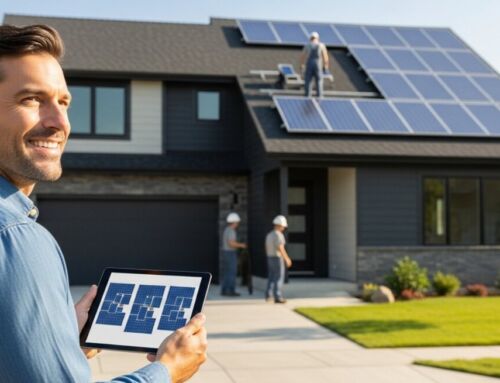
The solar installation process is a coordinated series of steps managed by your chosen professional. It begins with a detailed assessment of your home’s energy needs and physical characteristics. The installer will examine your roof, electrical panel, and past utility bills to design a system tailored for you.
Once you approve the design, the installer handles all the necessary permits and paperwork with your local government and utility company. This expertise is invaluable, as they navigate regulations to ensure your system is compliant and eligible for incentives. The actual installation is typically quick, followed by inspections and finally, the exciting moment when your system is activated.
- Home Energy Assessment & Consultation: Review your usage, roof, and goals.
- Custom System Design & Proposal: Receive a tailored plan and quote.
- Permits & Approvals: Your installer secures all necessary permissions.
- Physical Installation: Mounting racks, panels, and the inverter.
- Inspections & Activation: Final checks and flipping the switch to solar.
Speaking with experienced installers can help you determine the best solar solution for your home. Compare solar quotes here or call to explore available options.
Signs Your Home May Be Ideal for Solar
While many homes are excellent candidates for solar, some characteristics make the investment particularly advantageous. The most obvious sign is consistently high electricity bills, which means a solar system can deliver greater monthly savings. A roof that is unshaded for most of the day, especially facing south, is another prime indicator.
Your future plans also matter. If you intend to stay in your home for many years, you’ll have more time to enjoy the free electricity after your system has paid for itself. Even if you plan to move, solar can increase your home’s market value and appeal to eco-conscious buyers.
- You receive high monthly electricity bills.
- Your roof has ample, unshaded space (often south-facing).
- You plan to own your home for 5-10+ years.
- Your roof is in good condition or will soon need replacement.
- You live in an area with strong net metering policies.
- You are motivated by energy independence and environmental impact.
What Affects Solar Installation Costs
The final cost per watt of your system is influenced by several key factors. The system’s size and the quality of the equipment (panels and inverters) are major components. High-efficiency panels often cost more per watt but may produce more energy in a limited space, which can be worth the premium.
Installation complexity also plays a role. A simple, single-plane roof is easier to work on than a multi-angled roof with skylights. Critically, local and federal incentives dramatically affect your net cost. The federal solar tax credit can reduce your cost by 30%, and state or utility rebates can lower it further, making the net cost per watt much more attractive than the initial price suggests.
The cost of solar installation varies depending on your home and energy needs. Request personalized solar quotes or call to see what options are available.
Tips for Choosing a Reliable Solar Installer
Selecting the right installer is as important as choosing the right equipment. Look for a company with a strong track record, proper licensing, and positive customer reviews. A trustworthy installer will be transparent about costs, equipment options, and the expected production of your system.
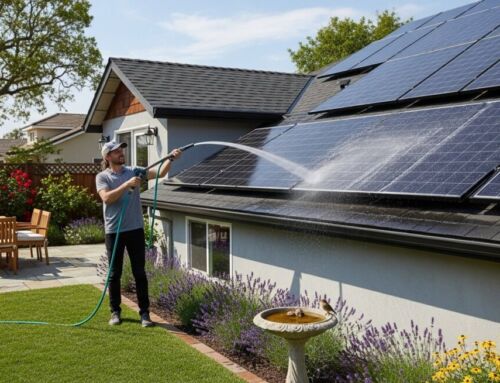
Always review the warranties offered, which should cover both the equipment (often 25 years for panels) and the installer’s workmanship. Most importantly, get detailed quotes from multiple installers. Comparing these proposals side-by-side is the best way to ensure you get a fair price and a system designed for your specific home. For instance, understanding ongoing costs is part of this; you can learn more about solar panel maintenance and cleaning costs to get a full picture of long-term ownership.
- Verify licenses, insurance, and certifications (like NABCEP).
- Read customer reviews and ask for local references.
- Compare the equipment brands and warranties included in each quote.
- Ensure they handle the entire process: permits, installation, and interconnection.
- Get and compare at least 3 detailed quotes.
Long-Term Benefits of Installing Solar Panels
The long-term advantages of going solar extend far beyond the initial excitement. Financially, you will see a dramatic reduction or even elimination of your electricity bills for 25 years or more. This predictable energy cost acts as a hedge against rising utility rates, leading to substantial savings over the system’s lifetime.
You’ll also gain peace of mind through increased energy independence and a reduced environmental footprint. Furthermore, studies consistently show that solar panels increase home value. This combination of lower operating costs, environmental benefits, and property value enhancement makes solar a uniquely powerful home upgrade.
How long do solar panels last?
Most high-quality solar panels come with a performance warranty guaranteeing they will still produce at least 80-90% of their original output after 25 years. The panels themselves can often continue producing electricity well beyond that timeframe, making them a truly long-term asset for your home.
What is the federal solar tax credit?
The federal solar Investment Tax Credit (ITC) allows you to deduct 30% of the cost of installing a solar energy system from your federal taxes. This significant incentive applies to both residential and commercial systems and has no upper limit, directly reducing your net system cost.
Do solar panels work on cloudy days or in winter?
Yes, solar panels do work on cloudy days, though their output is reduced. They generate electricity from daylight, not just direct sunlight. Modern systems are designed to produce ample energy year-round, often generating surplus power in sunny months to offset lower production in winter.
What is net metering?
Net metering is a billing arrangement with your utility company. When your solar panels produce more electricity than your home uses, the excess is sent to the grid, and your meter runs backward, giving you credits. You then use these credits to draw power from the grid at night or on cloudy days.
Can I install solar panels myself to save money?
While DIY solar is possible, it’s generally not recommended for grid-tied systems. Professional installation ensures electrical and structural safety, compliance with local codes, valid equipment warranties, and proper system performance. Mistakes can be costly and dangerous.
How do I finance a solar panel system?
Homeowners can purchase systems with cash, take out a solar loan (which often offers low monthly payments lower than your old electric bill), or enter a lease or Power Purchase Agreement (PPA). Each option has different implications for ownership, savings, and eligibility for incentives.
Understanding the solar panel cost per watt empowers you to make an informed decision about your home’s energy future. It’s the key metric that translates a complex technological investment into clear, comparable financial terms. By taking the time to get multiple quotes and ask the right questions, you can confidently move toward lower bills, energy independence, and a sustainable home. Start your journey today by comparing detailed proposals from trusted local installers.