Solar Proposal Breakdown: Understand Your Savings and Options

You open your monthly electricity bill and feel a familiar sting. Those rising kilowatt-hour rates seem to climb every year, eating further into your household budget. Like many homeowners, you have probably searched online for ways to reduce those costs, and that is likely how you stumbled upon the idea of solar panels. Before you sign any contract, though, you need to understand exactly what you are paying for,and that starts with learning what is solar proposal breakdown.
Understanding What Is Solar Proposal Breakdown
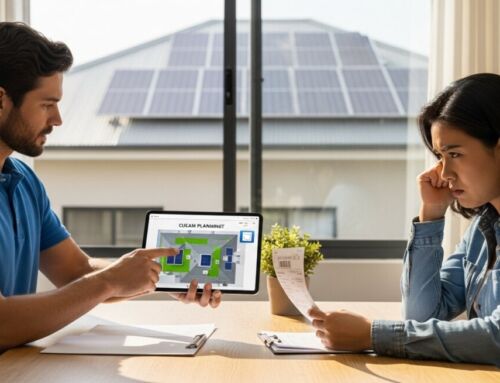
A solar proposal breakdown is a detailed document that solar installers provide to show every cost and component of your potential system. Think of it as an itemized receipt for your solar installation, listing everything from the panels and inverters to labor, permits, and warranty terms. Without this breakdown, you are essentially agreeing to a price without knowing what you are actually getting.
The proposal typically includes the total system size (measured in kilowatts), the estimated annual energy production, and a clear breakdown of equipment costs versus installation fees. It also shows your projected savings over 20 to 25 years, factoring in current electricity rates and expected rate increases. This document is your roadmap to understanding how solar will work for your specific home and budget.
Why Homeowners Need a Clear Proposal
Many homeowners make the mistake of comparing only the bottom-line price of a solar system. A proper breakdown allows you to compare apples to apples,seeing whether one installer uses premium panels while another uses budget equipment, or whether the warranty terms differ significantly. This transparency helps you avoid costly surprises later and ensures you choose a system that truly meets your energy needs.
Why Solar Energy Is Becoming More Popular
Electricity prices across the United States have risen steadily over the past decade, and many utility companies project continued increases. This trend has pushed solar energy from a niche environmental choice into a mainstream financial decision. Homeowners are realizing that generating their own power can lock in lower energy costs for decades.
Beyond saving money, solar panels offer a sense of energy independence. When you produce your own electricity, you are less vulnerable to grid outages and rate hikes. At the same time, you reduce your carbon footprint,a single residential solar system can offset roughly three to four tons of carbon emissions each year. That combination of financial and environmental benefits makes solar an increasingly attractive option for families across the country.
If you are considering solar power for your home, comparing installation quotes can help you understand your options. Request a free solar quote or call to learn more.
Common Questions Homeowners Have About Solar
Before committing to solar, most homeowners have a list of practical concerns. The most common question is about cost: how much will a system actually run, and how long will it take to pay off? The answer depends on your home’s energy usage, roof condition, and available incentives, but a typical 6,8 kW system costs between $15,000 and $25,000 before tax credits.
Another frequent concern is roof suitability. Not every roof is ideal for solar,factors like age, material, shading, and orientation all play a role. A professional installer will assess your roof during a site visit and can recommend solutions such as ground-mounted panels if your roof is not a good fit. Performance expectations also come up often, especially regarding how panels work on cloudy days or during winter months.
- How much does a solar system cost after incentives?
- Will solar panels work on my roof type and age?
- How much money will I actually save each month?
- What happens if my panels produce more electricity than I use?
- How long do solar panels last, and what maintenance do they need?
- Does solar increase my home’s property taxes?
How Solar Panel Installation Works
The installation process might sound technical, but it is surprisingly straightforward when broken into steps. First, a solar company performs a home energy assessment to understand your current usage and identify any efficiency improvements you can make first. This step ensures you are not oversizing your system.
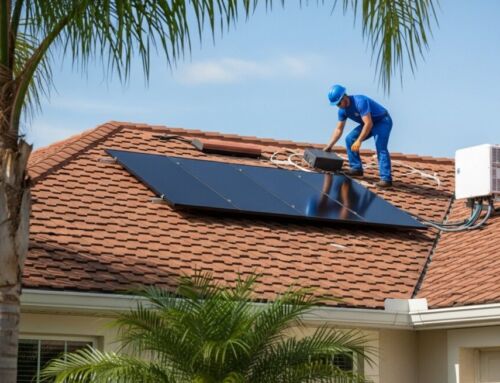
Next, the installer designs a custom system tailored to your roof layout and energy goals. Once you approve the design, the company handles all permits and approvals with your local utility and municipality. The actual panel installation usually takes one to three days, followed by inspection and interconnection approval before your system goes live.
- Home energy assessment and usage review
- Custom system design and proposal presentation
- Permit applications and utility approvals
- Physical panel and inverter installation
- Final inspection and system activation
Speaking with experienced installers can help you determine the best solar solution for your home. Compare solar quotes here or call to explore available options.
Signs Your Home May Be Ideal for Solar
Not every home is perfectly suited for solar, but many are. The most important factor is sunlight exposure,homes with south-facing roofs that receive direct sun for most of the day generate the most energy. If your roof is shaded by large trees or neighboring buildings, your system may still work but will produce less power.
Your electricity bill is another strong indicator. If you pay more than $100 per month on average, solar can likely save you money over time. The age of your roof matters too; if yours needs replacement in the next few years, it is often smarter to replace it before installing panels to avoid removal and reinstallation costs later.
- Your roof gets at least five hours of direct sunlight per day
- Your monthly electricity bill consistently exceeds $100
- You have a south-, east-, or west-facing roof with good exposure
- Your roof is less than 10 years old or in excellent condition
- You plan to stay in your home for at least five more years
- Your state or utility offers net metering or solar incentives
What Affects Solar Installation Costs
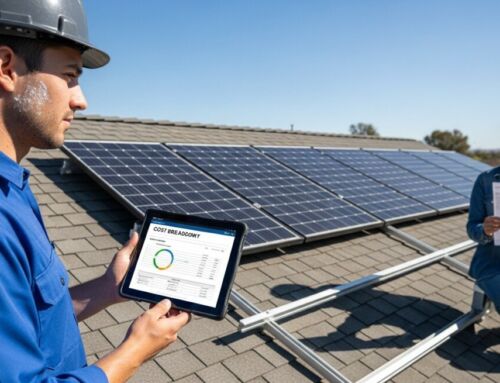
The cost of a solar system varies widely based on several key factors. System size is the biggest driver,a larger array generates more electricity but costs more upfront. Equipment quality also matters; premium panels like those from SunPower or LG are more efficient but come at a higher price than standard models.
Installation complexity can add to the cost. A simple roof with standard asphalt shingles and easy access is cheaper to install than a tile roof or a multi-story home with complex wiring. Local incentives and tax credits can significantly reduce your net cost, so it pays to research what is available in your area. The federal solar tax credit currently allows you to deduct 30% of your system cost from your federal taxes.
The cost of solar installation varies depending on your home and energy needs. Request personalized solar quotes or call to see what options are available.
Tips for Choosing a Reliable Solar Installer
Finding a trustworthy installer is just as important as choosing the right equipment. Start by verifying that the company is licensed, insured, and bonded in your state. Experience matters,look for installers who have been in business at least three to five years and have completed hundreds of residential projects.
Pay close attention to warranties. A good installer offers a workmanship warranty of at least 10 years, while top-tier panel manufacturers provide product warranties of 25 years or more. Read customer reviews on platforms like Google and the Better Business Bureau, and ask for references from recent installations in your area.
- Verify the company’s license and insurance credentials
- Ask about warranties on both equipment and workmanship
- Read recent customer reviews and check BBB ratings
- Request at least three detailed proposals with itemized breakdowns
- Confirm the installer handles permits and utility paperwork
- Ask about monitoring options to track your system’s performance
Long-Term Benefits of Installing Solar Panels
The most immediate benefit of solar is lower electricity bills. Most homeowners see their monthly utility costs drop by 50% to 90%, depending on system size and local rates. Over 20 years, that adds up to tens of thousands of dollars in savings,money that stays in your pocket instead of going to the utility company.
Solar panels also increase your home’s resale value. Studies show that homes with solar systems sell for about 4% more on average than comparable non-solar homes. Beyond finances, you gain energy independence and the satisfaction of knowing your home runs on clean, renewable power. For many families, that peace of mind is priceless.
Frequently Asked Questions
How long does it take for solar panels to pay for themselves?
The payback period for solar panels typically ranges from 6 to 10 years, depending on your electricity rates, system cost, and available incentives. After that point, the electricity your panels produce is essentially free. With panels lasting 25 to 30 years, you can enjoy 15 to 20 years of pure savings.
Will solar panels work during a power outage?
Standard grid-tied solar systems shut down during a power outage for safety reasons. If you want backup power during outages, you need a battery storage system like the Tesla Powerwall or LG Chem. Batteries add to the upfront cost but provide energy independence when the grid goes down.
Do I need to clean my solar panels regularly?
Solar panels require very little maintenance. Rain usually washes away dust and debris. In dry or dusty areas, occasional cleaning with a garden hose may help maintain efficiency. Most systems come with monitoring software that alerts you if performance drops significantly.
Can I install solar panels myself to save money?
DIY solar installation is possible but not recommended for most homeowners. Professional installers handle complex electrical work, roof penetrations, and permit filings. A professional installation also qualifies for warranties and the federal tax credit, while DIY systems often do not meet code requirements.
What happens if my solar panels produce more electricity than I use?
Under net metering policies, excess electricity flows back to the grid and your utility credits you for it. These credits offset the power you draw when your panels are not producing, such as at night or on cloudy days. Net metering rules vary by state, so check what applies in your area.
How does the federal solar tax credit work?
The federal Investment Tax Credit (ITC) allows you to deduct 30% of your solar system cost from your federal income taxes. There is no cap on the credit, so it applies to systems of any size. You must have sufficient tax liability to claim the credit, and it can be carried forward to future years if needed.
Will solar panels damage my roof?
When installed properly by experienced professionals, solar panels do not damage your roof. Installers use flashing and sealants to prevent leaks, and many systems actually protect the roof area beneath them from weather exposure. Always ensure your installer uses industry-approved mounting methods.
What size solar system do I need for my home?
The right system size depends on your average monthly electricity usage, roof space, and budget. A typical home uses about 900 kWh per month and may need a 6,8 kW system. Your installer will calculate the optimal size based on your utility bills and a site assessment.
Understanding what is solar proposal breakdown gives you the confidence to compare offers wisely and choose a system that fits your home and budget. Whether your motivation is saving money, reducing your carbon footprint, or gaining energy independence, solar power offers a proven path forward. Start by gathering multiple itemized proposals from reputable installers and see how much you could save.