Solar Savings Breakdown Example: See How Much You Can Save
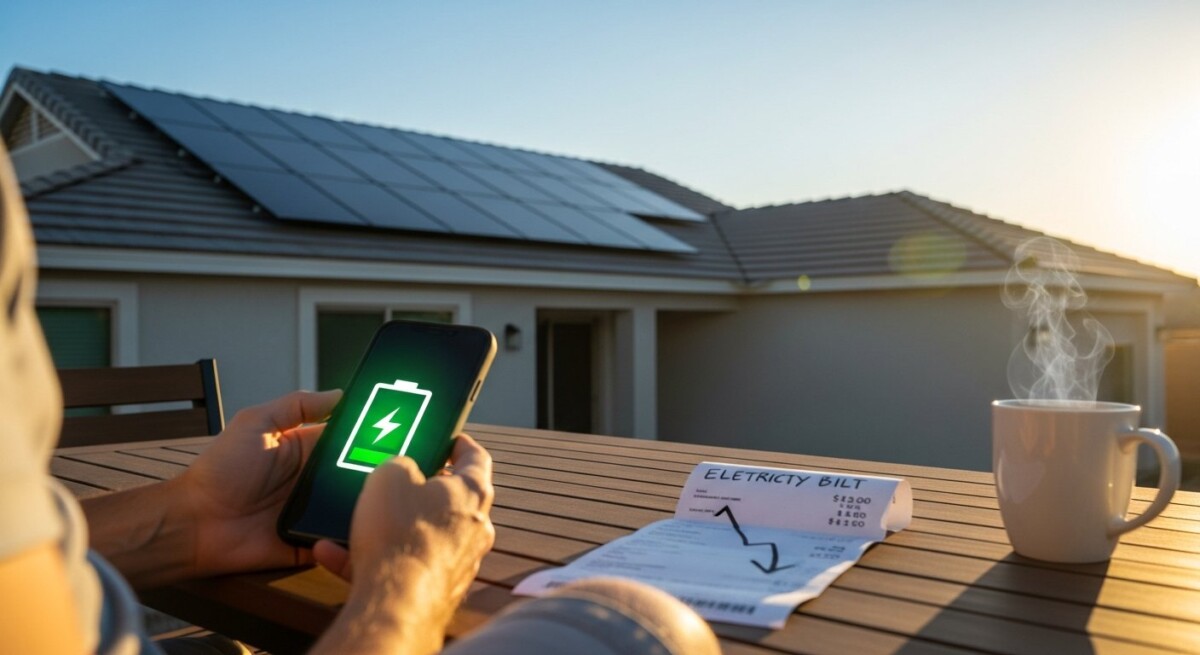
Imagine opening your monthly electricity bill and seeing a number that keeps climbing higher. If this sounds familiar, you are not alone. Many homeowners are now searching for a solar savings breakdown example to understand how switching to solar energy can reduce their monthly costs and help them gain more control over their household budget.
The idea of lowering your electric bills while also doing something good for the planet is powerful. By looking at a realistic solar savings breakdown example, you can see exactly how solar panels pay for themselves over time. This article will walk you through the numbers and help you decide if solar is right for your home.
Understanding Solar Savings Breakdown Example
A solar savings breakdown example shows how much money a typical homeowner can save by installing solar panels. It compares your current electricity costs with what you would pay after going solar, factoring in incentives, financing, and system size.
For instance, a home in Arizona that spends $150 per month on electricity might install a 6-kilowatt system. After federal tax credits and local rebates, the net cost could be around $12,000. Over 25 years, that same homeowner could save more than $40,000 on electricity, depending on utility rate increases.
How the Numbers Work
The calculation starts with your annual electricity usage. Solar installers use this number to design a system that covers most or all of your consumption. Then they apply the federal Investment Tax Credit (ITC), which currently offers a 30% deduction on installation costs.
Additional savings come from net metering programs, where your utility credits you for excess power sent back to the grid. Over the system’s lifetime, these credits add up significantly.
Why Solar Energy Is Becoming More Popular
Rising electricity prices are a major reason homeowners are turning to solar. According to the U.S. Energy Information Administration, residential electricity rates have increased steadily over the past decade, and that trend is expected to continue.
Environmental concerns also play a role. Solar energy produces no greenhouse gas emissions during operation, helping families reduce their carbon footprint. The combination of financial savings and eco-friendly living makes solar an attractive choice for many households.
If you are considering solar power for your home, comparing installation quotes can help you understand your options. Request a free solar quote or call to learn more.
Common Questions Homeowners Have About Solar
Many homeowners worry about the upfront cost of solar panels. While the initial investment can be significant, financing options like solar loans and leases make it more accessible. The 30% federal tax credit also reduces the net price substantially.
Roof suitability is another frequent concern. Solar panels work best on roofs with good sun exposure, but even partially shaded homes can benefit from modern high-efficiency panels. Professional installers will assess your roof during the consultation.
- How much does a typical solar system cost?
- Will solar panels work on my roof?
- How long do solar panels last?
- What happens during cloudy days or at night?
- Do I need a battery backup?
- How does net metering affect my savings?
How Solar Panel Installation Works
The installation process begins with a home energy assessment. A solar installer reviews your past electricity bills, measures your roof, and checks for shading issues. This data helps them design a system tailored to your needs.
After the design is complete, the installer handles permits and approvals from your local utility and municipality. Once approved, the physical installation typically takes one to three days, depending on system size.
- Home energy assessment and site evaluation
- System design based on your energy usage
- Permits and approvals from local authorities
- Panel installation on your roof
- System activation and connection to the grid
Speaking with experienced installers can help you determine the best solar solution for your home. Compare solar quotes here or call to explore available options.
Signs Your Home May Be Ideal for Solar
Homes with south-facing roofs that receive direct sunlight for most of the day are excellent candidates for solar. If your roof is unshaded by trees or nearby buildings, you will capture more energy and save more money.
High electricity bills are another strong indicator. If you pay $100 or more per month, solar can likely reduce that amount significantly. Homeowners who plan to stay in their house for several years also benefit the most from long-term savings.
- Your roof faces south, east, or west with good sun exposure
- You pay more than $100 per month for electricity
- Your roof is in good condition and has at least 10 years of life left
- You plan to stay in your home for 5 years or more
- Your utility offers net metering or time-of-use rates
What Affects Solar Installation Costs
System size is the primary cost driver. A larger system that covers 100% of your usage will cost more upfront but yields greater long-term savings. Equipment quality also matters,premium panels and inverters are more expensive but often perform better and last longer.
Installation complexity can add to the cost. Factors like roof pitch, material, and accessibility influence labor time. Local incentives and rebates can lower the final price, so it pays to research what is available in your area.
The cost of solar installation varies depending on your home and energy needs. Request personalized solar quotes or call to see what options are available.
Tips for Choosing a Reliable Solar Installer
Finding a trustworthy installer is just as important as choosing the right equipment. Look for companies with several years of experience and a strong track record in your area. A good installer will explain the entire process and answer your questions clearly.
Warranties are another critical factor. Quality installers offer workmanship warranties of at least 10 years, while solar panels typically come with 25-year performance guarantees. Reading customer reviews on platforms like Google and EnergySage can give you insight into the company’s reputation.
- Review the installer’s experience and certifications
- Check product and workmanship warranties
- Read recent customer reviews and testimonials
- Compare at least three quotes before deciding
- Ask about maintenance and monitoring services
Long-Term Benefits of Installing Solar Panels
Lower electricity bills are the most immediate benefit, but solar panels also increase your home’s resale value. Studies by Zillow and the U.S. Department of Energy show that homes with solar sell for more and faster than those without.
Energy independence is another major advantage. By generating your own power, you protect yourself from future utility rate hikes. And because solar energy is clean and renewable, you will reduce your household’s environmental impact by thousands of pounds of CO2 each year. In our guide on compare solar savings with this investment tool, we explain how to calculate your potential returns.
Frequently Asked Questions
How much can I save with a solar savings breakdown example?
A typical homeowner can save between $20,000 and $50,000 over 25 years, depending on system size, local electricity rates, and available incentives. Using a solar savings breakdown example tailored to your home gives you a more accurate estimate.
What is the federal tax credit for solar in 2025?
The federal Investment Tax Credit (ITC) offers a 30% deduction on the total cost of your solar system. This credit applies to both equipment and installation, and there is no cap on its value.
How long does it take for solar panels to pay for themselves?
The average payback period is between 6 and 10 years. After that, the electricity your panels generate is essentially free, providing decades of savings.
Do solar panels work during a power outage?
Standard grid-tied systems shut down during outages for safety reasons. If you want backup power, you will need a battery storage system like the Tesla Powerwall or similar.
Will solar panels damage my roof?
Professional installations do not damage roofs. Installers use mounting systems that seal penetrations properly. In fact, panels can protect the covered portion of your roof from weather and UV damage.
Can I install solar panels myself?
DIY installation is possible but not recommended for most homeowners. Professional installers ensure proper permits, safe electrical work, and eligibility for incentives. Mistakes can void warranties or create safety hazards.
What maintenance do solar panels require?
Solar panels require very little maintenance. Occasional cleaning to remove dust or debris and annual inspections are usually sufficient. Most systems come with monitoring software that alerts you to performance issues.
How do I know if solar is worth it for my home?
The best way to find out is to request quotes from multiple installers. They will provide a customized solar savings breakdown example based on your energy usage, roof, and local rates. Comparing these offers helps you make an informed decision.
Every home and utility situation is different, but the path to lower bills and energy independence starts with a single step. By reviewing a solar savings breakdown example and comparing installation quotes, you can find the solution that fits your budget and goals. Take the next step today and see how much solar can save you.