Why Roof Condition Affects Solar Installation and Your Savings
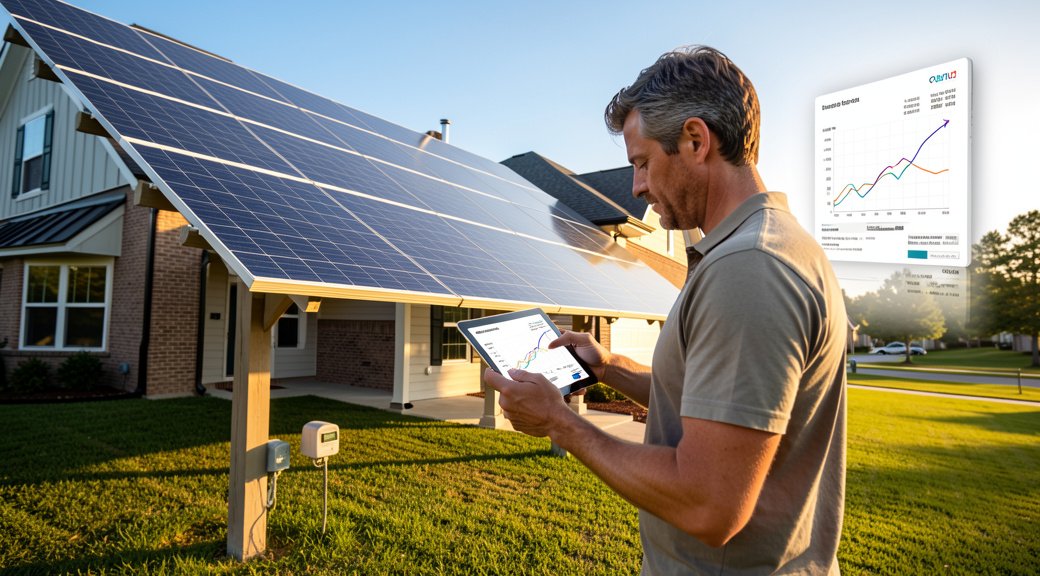
You open your monthly electric bill and feel a familiar sting. The number keeps climbing, and you wonder if there is a way to stop the trend. This frustration is driving more homeowners to search for answers about solar energy. You may have started typing phrases like why roof condition affects solar installation into your search bar, hoping to understand if solar panels are right for your home. The idea of reducing your monthly bills and gaining some energy independence is appealing, but the process can feel overwhelming. Understanding how your roof fits into the equation is the first step toward making a smart, money-saving decision.
Understanding why roof condition affects solar installation
Your roof is the foundation of your solar energy system. Solar panels attach directly to your roof, so its condition determines whether installation is safe, efficient, and long-lasting. If your roof has leaks, damaged shingles, or structural weaknesses, those issues must be addressed first. Ignoring roof condition can lead to costly repairs later and reduced energy production.
The concept is simple: solar panels are designed to last 25 to 30 years. Your roof should be able to support them for that entire lifespan. A professional installer will inspect your roof’s age, material, and structural integrity before recommending a system. If your roof needs replacement, it is often more cost-effective to do that before installing panels. This approach saves you the expense of removing and reinstalling panels later.
How roof age and material impact solar performance
Older roofs made of asphalt shingles may become brittle over time. If your roof is nearing the end of its expected life, installing panels on it is risky. Metal roofs, tile roofs, and newer composite shingles generally provide a better base for solar installation. The orientation and pitch of your roof also matter. South-facing roofs with a slope between 15 and 40 degrees typically capture the most sunlight. A professional assessment can reveal if your roof is ready for solar or if upgrades are needed.
Why Solar Energy Is Becoming More Popular
Electricity rates across the United States have risen steadily over the past decade. Many homeowners see solar as a way to lock in lower energy costs for years to come. By generating your own electricity, you reduce your dependence on the grid and protect yourself from future rate hikes. The financial logic is compelling: after the initial investment, your monthly savings can add up to thousands of dollars over the life of the system.
Environmental concerns also play a major role. Solar energy produces no greenhouse gas emissions during operation, making it one of the cleanest energy sources available. Homeowners who care about reducing their carbon footprint find solar to be a practical way to make a difference. Additionally, government incentives and rebates,such as the federal solar investment tax credit,make solar more affordable than ever. These programs can reduce your upfront costs by 26% or more, depending on your location.
If you are considering solar power for your home, comparing installation quotes can help you understand your options. Request a free solar quote or call to learn more.
Common Questions Homeowners Have About Solar
When researching solar, most homeowners start with the same concerns: cost, roof suitability, and performance. The upfront price of a solar system can range from $10,000 to $30,000 before incentives. However, financing options like solar loans or leases make it accessible for many budgets. Your roof’s condition and size will directly affect the system’s cost and efficiency.
Another frequent question is whether solar panels work in cloudy or cold climates. The answer is yes,solar panels still generate electricity on overcast days, though at reduced output. Modern systems are designed to maximize efficiency even in less-than-ideal conditions. A professional installer will model your home’s specific solar potential using data from your location and roof characteristics.
- How much will solar panels save me each month?
- What happens if my roof needs repairs after installation?
- Will solar panels damage my roof?
- How long does the installation process take?
- Do I need a battery for solar energy storage?
- What permits are required for solar installation?
How Solar Panel Installation Works
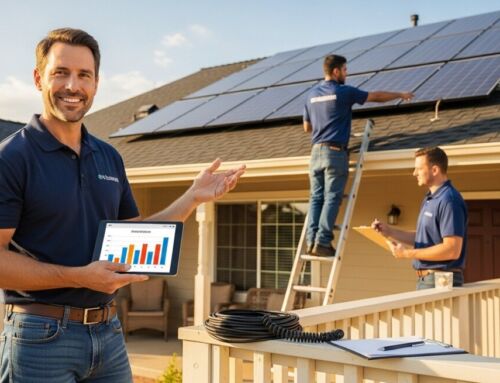
Once you decide to move forward, the installation process follows a clear sequence. A certified installer begins with a home energy assessment to evaluate your current electricity usage and roof condition. They will measure your roof’s dimensions, orientation, and shading to design a system that meets your needs. After you approve the design, the installer handles all necessary permits and approvals from your local utility and municipality.
Physical installation typically takes one to three days, depending on system size and roof complexity. Panels are mounted on racks that are securely attached to your roof structure. Wiring connects the panels to an inverter, which converts direct current (DC) electricity into usable alternating current (AC) for your home. Finally, the system is inspected and activated, allowing you to start generating power immediately.
- Home energy assessment and roof inspection
- Custom system design based on your roof and energy goals
- Permit applications and utility approvals
- Panel and inverter installation
- System inspection, testing, and activation
Speaking with experienced installers can help you determine the best solar solution for your home. Compare solar quotes here or call to explore available options.
Signs Your Home May Be Ideal for Solar
Not every home is perfectly suited for solar panels, but many are. The most important factor is sunlight exposure. If your roof receives direct sunlight for most of the day, especially between 9 a.m. and 3 p.m., your system will perform well. Trees or nearby buildings that cast shade on your roof can reduce energy production, but trimming or removal may help.
Your monthly electricity bill also provides a strong clue. If you pay more than $100 per month on average, solar can likely save you money over time. Additionally, if you plan to stay in your home for at least five to ten years, the long-term savings will outweigh the upfront cost. Sufficient roof space,typically 300 to 500 square feet for an average system,is also essential.
- Your roof faces south, west, or east with minimal shading
- Your monthly electric bill exceeds $100
- You have at least 300 square feet of usable roof space
- Your roof is less than 15 years old or in good condition
- You plan to live in your home for five or more years
- Your local utility offers net metering or solar incentives
What Affects Solar Installation Costs
The cost of a solar system depends on several variables. System size, measured in kilowatts (kW), is the biggest factor. A typical residential system ranges from 5 kW to 10 kW. Larger systems cost more upfront but produce more electricity and generate greater long-term savings. Equipment quality also matters; high-efficiency panels and premium inverters cost more but often perform better and last longer.
Installation complexity plays a role too. A simple, south-facing roof with easy access costs less to install than a complex roof with multiple angles, skylights, or obstructions. Local labor rates and permit fees also vary by region. Most importantly, state and federal incentives can significantly reduce your net cost. The federal solar tax credit alone allows you to deduct 30% of your system cost from your taxes, making solar more affordable than ever.
The cost of solar installation varies depending on your home and energy needs. Request personalized solar quotes or call to see what options are available.
Tips for Choosing a Reliable Solar Installer
Finding the right installer is just as important as choosing the right equipment. A reputable installer will perform a thorough roof inspection, provide a detailed quote, and explain all costs clearly. They should also offer warranties on both the equipment and their workmanship. Avoid companies that pressure you into signing a contract without a full evaluation.
Reading customer reviews and checking the installer’s credentials can save you from costly mistakes. Look for certifications from the North American Board of Certified Energy Practitioners (NABCEP) and check their Better Business Bureau rating. Comparing multiple quotes is the best way to ensure you get fair pricing and the right system for your home.
- Verify the installer’s license, insurance, and certifications
- Ask about equipment warranties and performance guarantees
- Read online reviews and request references from past customers
- Get at least three detailed quotes before making a decision
- Confirm that the installer handles all permits and inspections
Long-Term Benefits of Installing Solar Panels
The most obvious benefit of solar panels is lower electricity bills. Once your system is paid off, your electricity costs drop dramatically, often to just a small monthly connection fee. Over 25 years, the average homeowner saves between $20,000 and $50,000, depending on local electricity rates and system size. These savings can be reinvested or used to improve your home in other ways.
Solar panels also increase your home’s resale value. Studies show that homes with solar systems sell for a premium compared to similar homes without solar. Additionally, generating your own clean energy reduces your carbon footprint by tons each year. In our guide on why roof condition affects solar installation and your savings, we explain how a solid roof foundation maximizes these long-term benefits. Energy independence means you are less affected by grid outages and rising utility rates, giving you peace of mind for decades.
FAQs
How does roof condition affect solar panel installation?
Your roof must be structurally sound and in good condition to support solar panels safely. If your roof has leaks, damaged shingles, or an aging structure, you may need repairs or replacement before installation. A professional installer will inspect your roof and recommend any necessary upgrades to ensure a secure, long-lasting solar system.
Can I install solar panels on an old roof?
Yes, but it is usually best to replace an old roof before installing solar panels. Panels last 25 to 30 years, so installing them on a roof that needs replacement soon will lead to extra costs for removal and reinstallation. Many homeowners find that combining roof replacement with solar installation is the most efficient approach.
What type of roof is best for solar panels?
Asphalt shingle, metal, and tile roofs are all suitable for solar panels. The best roof is one that is in good condition, has a south-facing orientation, and receives minimal shading. A professional installer can assess your specific roof material and recommend the best mounting system.
How much can I save on electricity bills with solar?
Savings vary based on your location, system size, and local electricity rates. On average, homeowners save $600 to $1,500 per year after installing solar. Over the 25-year lifespan of the system, total savings often range from $20,000 to $50,000.
Are there government incentives for solar installation?
Yes, the federal solar investment tax credit allows you to deduct 30% of your system cost from your federal taxes. Many states and utilities also offer additional rebates, tax credits, or net metering programs. These incentives can significantly reduce your upfront costs.
Will solar panels damage my roof?
When installed correctly by a professional, solar panels do not damage your roof. Installers use mounting systems that are sealed to prevent leaks. Proper installation actually protects the roof area under the panels from weather exposure.
How long does solar panel installation take?
Physical installation typically takes one to three days. The entire process, including permits and inspections, usually takes four to eight weeks from contract signing to system activation. Delays can occur depending on local permitting timelines.
What happens if my roof needs repairs after solar installation?
If repairs are needed, the solar panels must be removed and reinstalled, which adds cost. This is why it is important to address roof issues before installation. Choosing a qualified installer who offers a workmanship warranty can also provide peace of mind.
Your roof is the foundation of your solar journey, and understanding its condition is the key to maximizing your savings. By comparing quotes from trusted installers, you can find a system that fits your roof, your budget, and your energy goals. Take the next step today and explore your solar options with confidence.