Can Solar Work in Cloudy Weather? Yes, and Here’s How You Save
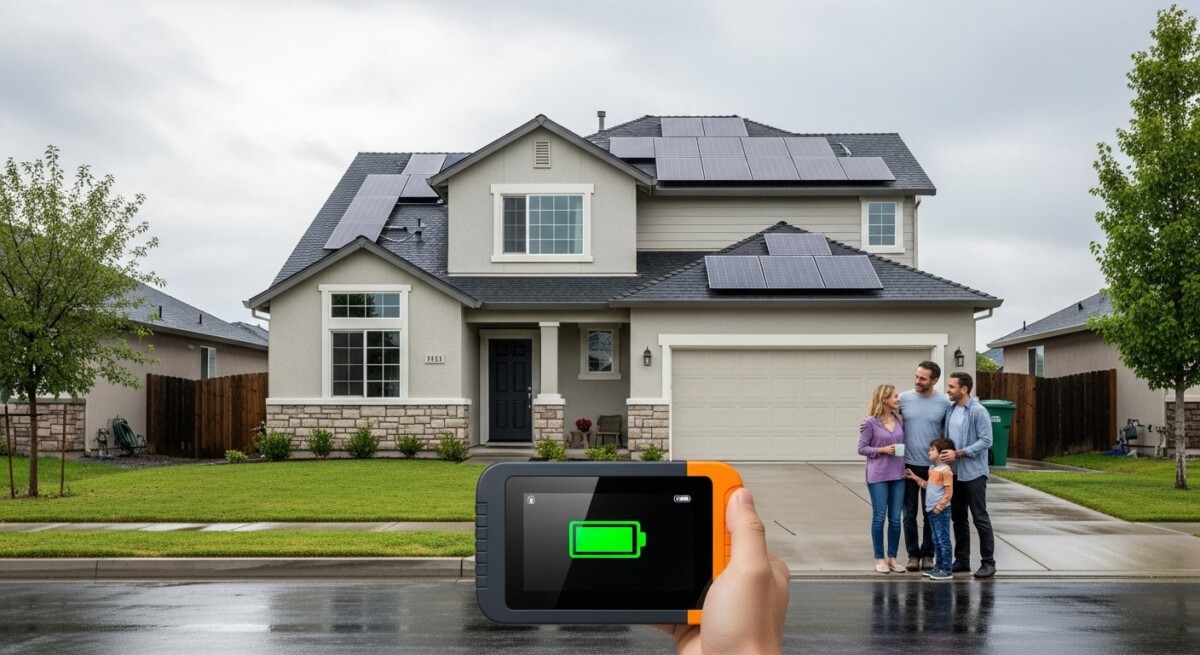
You look at your monthly electricity bill and wonder if there is a way to bring it down. Rising energy costs have many homeowners searching for answers, and a common question is can solar work in cloudy weather. The idea of reducing your energy bills and becoming less dependent on the power grid is appealing, even if you live in a region that doesn’t get year-round sunshine. Understanding how solar panels perform on overcast days is the first step toward making an informed decision about your home’s energy future.
Understanding Can Solar Work in Cloudy Weather
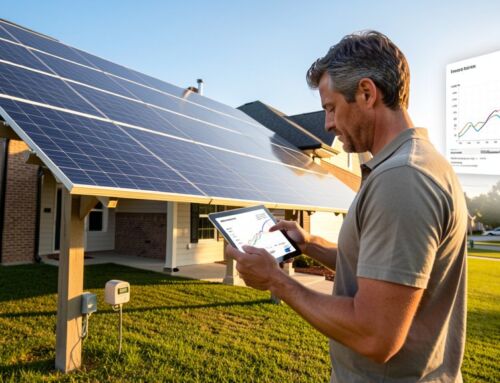
Solar panels do not need direct sunlight to generate electricity. They capture diffuse light that passes through clouds, fog, and even rain. This means your system continues to produce power on cloudy days, though at a reduced rate compared to a bright, sunny afternoon.
Modern photovoltaic cells are designed to be sensitive to a wide spectrum of light. Even on heavily overcast days, panels typically generate 10 to 25 percent of their rated capacity. This is often enough to power essential appliances and keep your home running while you draw less from the grid.
More homeowners are considering solar because battery storage and net metering make cloudy-day performance practical. With a battery, you store excess energy from sunny periods to use later. Net metering credits you for surplus power sent to the grid, which you can draw upon when your panels produce less. These technologies turn a variable energy source into a reliable solution for year-round savings.
How Diffuse Light Works
Diffuse light is sunlight that has been scattered by water droplets, dust, or air molecules in the atmosphere. Even when the sun is hidden, this scattered light reaches your panels and excites the electrons in the solar cells. The result is a steady, lower-level current that still contributes to your home’s energy supply.
Why Solar Energy Is Becoming More Popular
Electricity rates have risen steadily over the past decade, and many homeowners feel the pinch each month. Solar panels offer a way to lock in predictable energy costs and reduce dependence on utility companies. The long-term savings can be substantial, especially when you factor in rising inflation and rate hikes.
Environmental concerns also drive adoption. Generating your own clean energy cuts your carbon footprint and reduces demand for fossil fuels. For families who want to leave a healthier planet for future generations, solar is a practical step that pays for itself over time.
Financial incentives make the switch even more attractive. Federal tax credits, state rebates, and local solar renewable energy certificates can lower the upfront cost by 30 percent or more. When you combine these savings with lower monthly bills, the return on investment becomes clear.
If you are considering solar power for your home, comparing installation quotes can help you understand your options. Request a free solar quote or call (800) 555-0199 to learn more.
Common Questions Homeowners Have About Solar
Many homeowners worry about the upfront cost of installation. While solar systems do require an initial investment, financing options such as loans, leases, and power purchase agreements make them accessible to most budgets. The average payback period is between six and ten years, after which your electricity is essentially free.
Roof suitability is another frequent concern. Panels work best on south-facing roofs with little shading, but east and west exposures can also perform well. A professional installer will assess your roof’s age, material, and angle to determine the best setup for your home.
System performance in varying weather is a top question. As we’ve discussed, solar panels still produce power in cloudy and rainy conditions. Snow can actually help by reflecting light onto panels, though heavy accumulation may require occasional clearing.
- Will solar panels work during a power outage? Only if you have a battery backup system.
- How long do solar panels last? Most panels come with 25-year warranties and continue producing power for 30+ years.
- Do I need to clean my panels regularly? Rain usually keeps them clean, but dusty areas may need occasional rinsing.
- Can I add more panels later? Yes, as long as your inverter and roof space allow for expansion.
- Will solar increase my home value? Studies show homes with solar sell for more and faster than those without.
How Solar Panel Installation Works
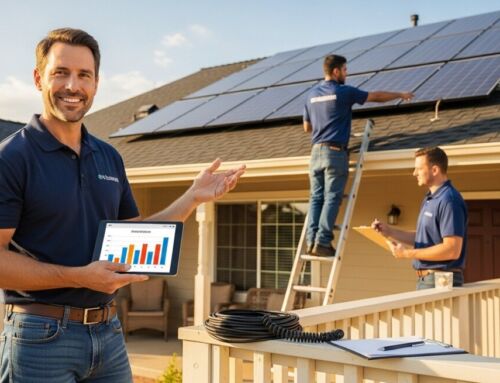
The installation process is straightforward when you work with a qualified installer. First, your energy usage is reviewed to determine the right system size for your household. Then the installer designs a layout that maximizes sun exposure on your roof.
After you approve the design, the installer handles all permits and approvals with your local utility and building department. This step ensures your system meets safety standards and qualifies for net metering or other incentives. The actual installation usually takes one to three days, depending on the complexity of your roof.
- Home energy assessment , Review past bills and evaluate your energy needs.
- System design , Create a custom layout for your roof and shade conditions.
- Permits and approvals , Secure necessary paperwork from local authorities.
- Panel installation , Mount panels, connect wiring, and install the inverter.
- System activation , Final inspection, grid connection, and start generating power.
Speaking with experienced installers can help you determine the best solar solution for your home. Compare solar quotes here or call (800) 555-0199 to explore available options.
Signs Your Home May Be Ideal for Solar
Not every home is perfectly suited for solar, but many are better candidates than homeowners realize. If you have a south-facing roof that receives direct sunlight for most of the day, your system will perform efficiently. Even homes with east or west exposures can generate significant savings.
High electricity bills are a strong indicator that solar could benefit you. If you pay more than $100 per month on average, a properly sized system can offset most of that cost. Additionally, if you plan to stay in your home for at least five to seven years, you’ll likely recoup your investment and start saving.
- Strong sunlight exposure , Your roof gets at least four hours of direct sun per day.
- High electricity bills , Monthly costs are above average for your area.
- Suitable roof space , You have at least 300 square feet of unshaded roof area.
- Long-term home ownership plans , You intend to stay for several years.
- Good roof condition , Your roof is less than 15 years old or in excellent shape.
What Affects Solar Installation Costs
The size of your system is the biggest factor in determining cost. A larger system that covers 100 percent of your energy use will cost more upfront but yield greater long-term savings. Smaller systems can still reduce your bills significantly and may be more budget-friendly.
Equipment quality also matters. Premium panels with higher efficiency and better warranties cost more, but they often produce more power over their lifespan. Inverters, mounting hardware, and battery storage add to the total price but improve performance and reliability.
Local incentives can dramatically lower your out-of-pocket expense. The federal solar tax credit currently covers 30 percent of the installation cost. Many states and utilities offer additional rebates or performance-based incentives that further reduce the net price.
The cost of solar installation varies depending on your home and energy needs. Request personalized solar quotes or call (800) 555-0199 to see what options are available.
Tips for Choosing a Reliable Solar Installer
Selecting the right installer is just as important as choosing quality equipment. A reputable company will conduct a thorough site assessment, explain the technology clearly, and provide a detailed contract. They should also handle all permitting and inspections so you don’t have to worry about paperwork.
Reading customer reviews and checking the company’s Better Business Bureau rating can reveal how they treat clients after the sale. A good installer stands by their work and responds promptly to any issues that arise during the life of your system.
- Review installer experience , Look for at least five years in business and hundreds of installations.
- Check warranties , Ensure panels, inverters, and workmanship are covered for at least 10 years.
- Read customer reviews , Look for consistent praise and quick resolution of problems.
- Compare multiple quotes , Get at least three proposals to compare pricing and equipment.
- Verify licenses and insurance , Confirm the installer is licensed in your state and carries liability insurance.
Long-Term Benefits of Installing Solar Panels
Lower electricity bills are the most immediate benefit. Once your system is paid off, your monthly energy cost drops to near zero, saving you thousands over the life of the panels. This financial freedom allows you to allocate money toward other priorities.
Solar panels also increase your home’s resale value. Studies show that homes with solar sell for an average of 4 to 6 percent more than comparable homes without. Buyers are attracted to the promise of lower utility costs and environmentally friendly living.
Energy independence is another powerful advantage. Generating your own power reduces your exposure to utility rate hikes and grid outages. With a battery backup, you can keep lights on and refrigerators running even when the neighborhood goes dark.
Frequently Asked Questions
Do solar panels work at night?
Solar panels do not produce electricity at night because they need light to generate power. However, with a battery storage system, you can use energy collected during the day to power your home after sunset. Net metering also allows you to draw credits from the grid at night.
How much can I save with solar in a cloudy climate?
Even in cloudy regions like the Pacific Northwest, homeowners typically save 50 to 80 percent on their electricity bills. Panels still produce power on overcast days, and annual savings accumulate steadily. A local installer can provide a personalized estimate based on your roof and energy usage.
Will solar panels damage my roof?
Properly installed solar panels do not damage your roof. Mounting systems are designed to distribute weight evenly and seal around attachments to prevent leaks. In fact, panels can protect the covered portion of your roof from sun and rain, extending its lifespan.
How long does it take to install solar panels?
The physical installation usually takes one to three days. The entire process, from initial consultation to system activation, typically takes four to eight weeks. This timeline includes design, permitting, and utility approval.
What happens if I move after installing solar?
If you own your system outright, solar panels can increase your home’s resale value and attract buyers. If you have a lease or power purchase agreement, you may need to transfer the contract to the new homeowner or buy out the agreement. Many buyers are happy to take over a low-cost solar lease.
Can I install solar panels myself?
DIY installation is possible for experienced homeowners, but it carries significant risks. Improper wiring can cause fires, and mistakes may void warranties or fail inspection. Professional installation ensures safety, optimal performance, and eligibility for incentives.
Do I need to replace my roof before installing solar?
If your roof is nearing the end of its lifespan (over 20 years old or showing damage), it is wise to replace it before adding panels. Removing and reinstalling panels later adds cost. A professional installer can inspect your roof and recommend the best approach.
How do I maintain my solar panels?
Solar panels require very little maintenance. Rain usually keeps them clean, but in dusty areas you may need to rinse them with a hose once or twice a year. Check for debris like leaves or snow buildup, and monitor your system’s performance through the app provided by your installer.
Solar energy is a practical, long-term investment that works even in cloudy weather. By understanding how panels perform and what affects costs, you can make a confident decision for your home. Start exploring your options today by comparing quotes from trusted installers in your area.