What Is Inverter Efficiency Rating: Your Solar Savings Guide
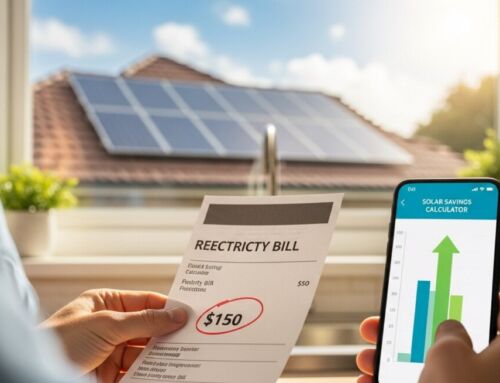
You open your monthly electricity bill and feel a familiar sting. Rates have crept up again, and you wonder if there is a way to take control. This frustration leads many homeowners to search for what is inverter efficiency rating and how solar energy can reduce their dependence on the grid.
Solar power promises lower energy bills and long-term financial freedom, but the technical details can feel overwhelming. Understanding a few key terms, starting with inverter efficiency, helps you make smarter decisions for your home.
Understanding what is inverter efficiency rating
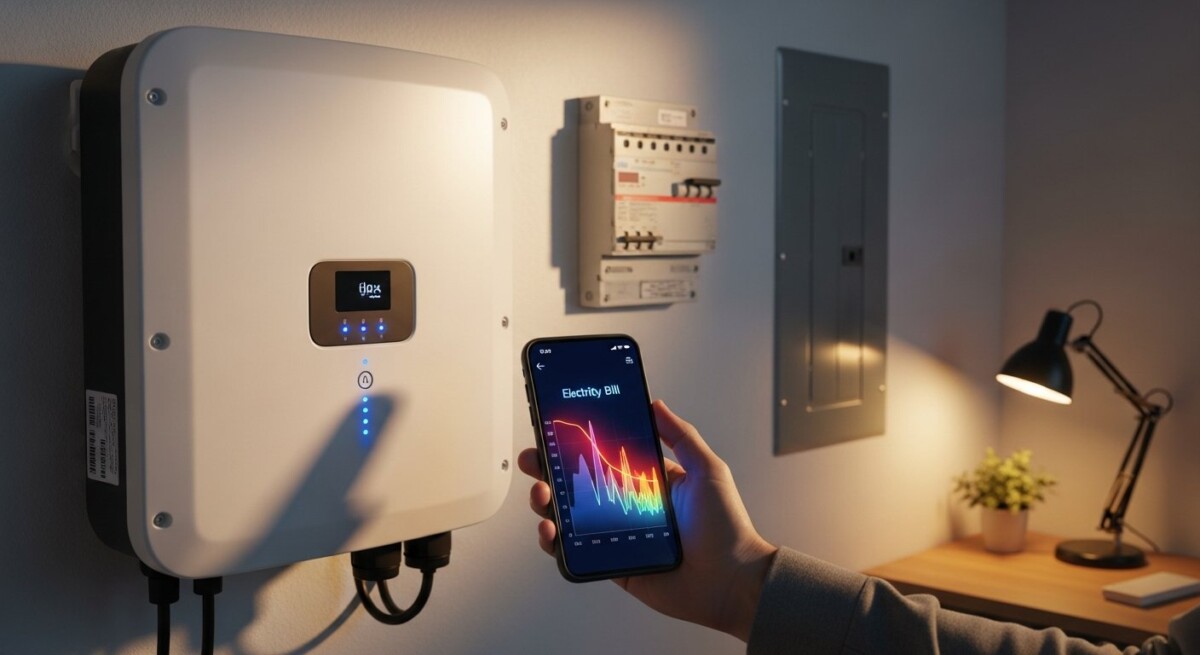
An inverter is the brain of your solar system. It converts the direct current (DC) electricity your panels produce into alternating current (AC) electricity your home uses. The inverter efficiency rating tells you how much of that DC power actually becomes usable AC power.
Think of it like a fuel tank. If your car has a 10-gallon tank but only 9 gallons reach the engine, you are losing fuel. Similarly, a 96% efficient inverter converts 96% of the DC energy into AC energy, losing only 4% as heat during the process.
Most modern string inverters have efficiency ratings between 95% and 98%, while microinverters and power optimizers often reach 96% to 99%. Higher efficiency means more of your solar harvest powers your home, which directly lowers your electricity bills over the system’s 25-year lifespan.
Why Solar Energy Is Becoming More Popular
Rising electricity prices are the number one reason homeowners explore solar. The average cost of residential electricity has increased steadily over the past decade, and experts expect that trend to continue. Solar offers a way to lock in predictable energy costs for decades.
Environmental concerns also drive interest. Generating your own clean energy reduces your household’s carbon footprint and helps combat climate change. Many homeowners feel good about shrinking their reliance on fossil fuels.
Long-term savings remain the most compelling motivator. After the initial installation, solar panels produce free electricity for 25 years or more, often saving homeowners tens of thousands of dollars over that period.
If you are considering solar power for your home, comparing installation quotes can help you understand your options. Request a free solar quote or call to learn more.
Common Questions Homeowners Have About Solar
Many homeowners worry about the upfront cost of solar installation. While the initial investment can seem high, federal tax credits and local incentives significantly reduce the net price. In many cases, monthly loan payments are lower than the previous electricity bills.
Roof suitability is another frequent concern. Not every roof is ideal, but most homes with southern, eastern, or western exposure and adequate space can support panels. A professional installer will assess your roof’s age, material, and shading before recommending a system.
System performance and maintenance also come up often. Solar panels have no moving parts and require very little upkeep beyond occasional cleaning. Most systems come with performance monitoring so you can track energy production from your phone.
- How much does a solar system cost for an average home?
- Will solar work if my roof is shaded by trees?
- What happens to solar production on cloudy days?
- How long do solar panels and inverters last?
- Do I need a battery with my solar panels?
- What warranties come with a typical solar installation?
How Solar Panel Installation Works
The process begins with a professional home energy assessment. An installer reviews your electricity bills, measures your roof, and evaluates sunlight exposure. This step ensures the system is sized correctly to meet your needs.
Next comes system design and permitting. The installer creates a custom layout, submits permits to your local government, and coordinates with your utility company. This phase usually takes one to four weeks depending on your area.
Finally, the installation crew mounts the panels, connects the inverter, and activates the system. Most residential installations are completed in one to three days. After final inspection, you start generating your own clean electricity immediately.
- Home energy assessment and bill analysis
- Custom system design and equipment selection
- Permit applications and utility approvals
- Professional panel and inverter installation
- Final inspection, interconnection, and system activation
Speaking with experienced installers can help you determine the best solar solution for your home. Compare solar quotes here or call to explore available options.
Signs Your Home May Be Ideal for Solar
Homes with strong, unobstructed sunlight exposure are prime candidates for solar. If your roof faces south, southwest, or southeast and receives direct sunlight for most of the day, you will likely see excellent energy production.
High electricity bills are another clear indicator. If you pay more than $100 per month, solar can start saving you money immediately. The larger your bill, the faster your system pays for itself.
Suitable roof space and long-term ownership plans also matter. A typical solar array requires about 300 to 500 square feet of clear roof area. If you plan to stay in your home for at least five to seven years, the financial returns become very attractive.
- Your roof gets at least five hours of direct sunlight daily
- Monthly electricity bills exceed $100
- Your roof is less than 15 years old and in good condition
- You own your home and plan to stay for several years
- Your local utility offers net metering or time-of-use rates
- State or federal incentives are available in your area
What Affects Solar Installation Costs
System size is the biggest cost driver. Larger systems that generate more electricity require more panels and a bigger inverter, which increases the total price. However, larger systems also produce greater savings over time.
Equipment quality and installation complexity also influence costs. Premium panels and high-efficiency inverters cost more upfront but often deliver better performance and longer warranties. Complex roof designs, such as multiple angles or tile roofing, can increase labor costs.
Local incentives and rebates can dramatically lower your net investment. The federal solar tax credit currently allows you to deduct 30% of the installation cost from your federal taxes. Many states and utilities offer additional rebates, performance payments, or property tax exemptions.
The cost of solar installation varies depending on your home and energy needs. Request personalized solar quotes or call to see what options are available.
Tips for Choosing a Reliable Solar Installer
Selecting the right installer is just as important as choosing quality equipment. A reputable company will provide transparent pricing, clear contracts, and honest assessments of your home’s solar potential. They should also handle all permitting and paperwork.
Look for installers with several years of experience and strong customer reviews. Check their credentials, including licenses, insurance, and certifications from organizations like the North American Board of Certified Energy Practitioners (NABCEP).
Always compare multiple quotes before making a decision. Prices and equipment options can vary significantly between companies. Comparing at least three quotes ensures you get fair pricing and the best system for your home.
- Review the installer’s years of experience and local reputation
- Check equipment warranties (typically 25 years for panels, 10,12 for inverters)
- Read online customer reviews on platforms like Google and Yelp
- Ask for references from recent installations in your area
- Compare at least three detailed quotes with clear pricing
- Ensure the installer offers a production guarantee
Long-Term Benefits of Installing Solar Panels
Lower electricity bills are the most immediate benefit. Once your system is paid off, the electricity it produces is essentially free. Many homeowners see their monthly bills drop by 50% to 90% or more, depending on system size and local utility rates.
Solar also increases your home’s resale value. Studies show that homes with solar panels sell for a premium compared to similar homes without them. Buyers recognize the value of reduced energy costs and are willing to pay more.
Energy independence and environmental impact round out the benefits. Producing your own power insulates you from future rate hikes and grid outages. At the same time, you are reducing greenhouse gas emissions and contributing to a cleaner energy future.
How long do solar panels last?
Most solar panels come with a 25-year performance warranty and continue producing electricity well beyond that. They typically degrade at a rate of about 0.5% per year, meaning they still generate around 87% of their original output after 25 years.
What is the federal solar tax credit for 2025?
The federal Investment Tax Credit (ITC) allows you to deduct 30% of your solar installation cost from your federal income taxes. There is no cap on the credit amount, and it applies to both residential and commercial systems installed through 2032.
Do I need a battery with my solar panels?
Batteries are optional but increasingly popular. They store excess solar energy for use at night or during power outages. Without a battery, you remain connected to the grid and draw power when your panels aren’t producing.
Will solar work during a power outage?
Standard grid-tied solar systems shut down during a blackout for safety reasons. If you want backup power during outages, you need a battery storage system or a special inverter that can operate independently from the grid.
How much maintenance do solar panels require?
Solar panels require very little maintenance. Rain usually keeps them clean enough, but occasional washing with a garden hose can remove dust or pollen. Most systems come with monitoring software that alerts you to any performance issues.
Can I install solar panels myself?
DIY solar installation is possible but not recommended for most homeowners. Professional installers handle permits, electrical work, roof attachments, and utility interconnection. Mistakes can void warranties, create safety hazards, or reduce system performance.
What happens if my roof needs repair after solar installation?
If your roof needs repairs, the solar panels must be removed and reinstalled. This process adds cost, which is why it is important to ensure your roof is in good condition before installing solar. Most installers recommend a roof inspection first.
How do I know if an inverter efficiency rating is good?
An inverter efficiency rating of 96% or higher is considered excellent for residential systems. Look for the CEC efficiency rating, which is a standardized measurement used by the California Energy Commission and widely trusted in the industry.
Understanding what is inverter efficiency rating is a simple but powerful step toward making an informed solar investment. Higher efficiency means more energy for your home, lower bills, and faster payback. The best way to find the right system for your needs is to compare quotes from multiple professional installers.