How to Calculate Long Term Solar Savings
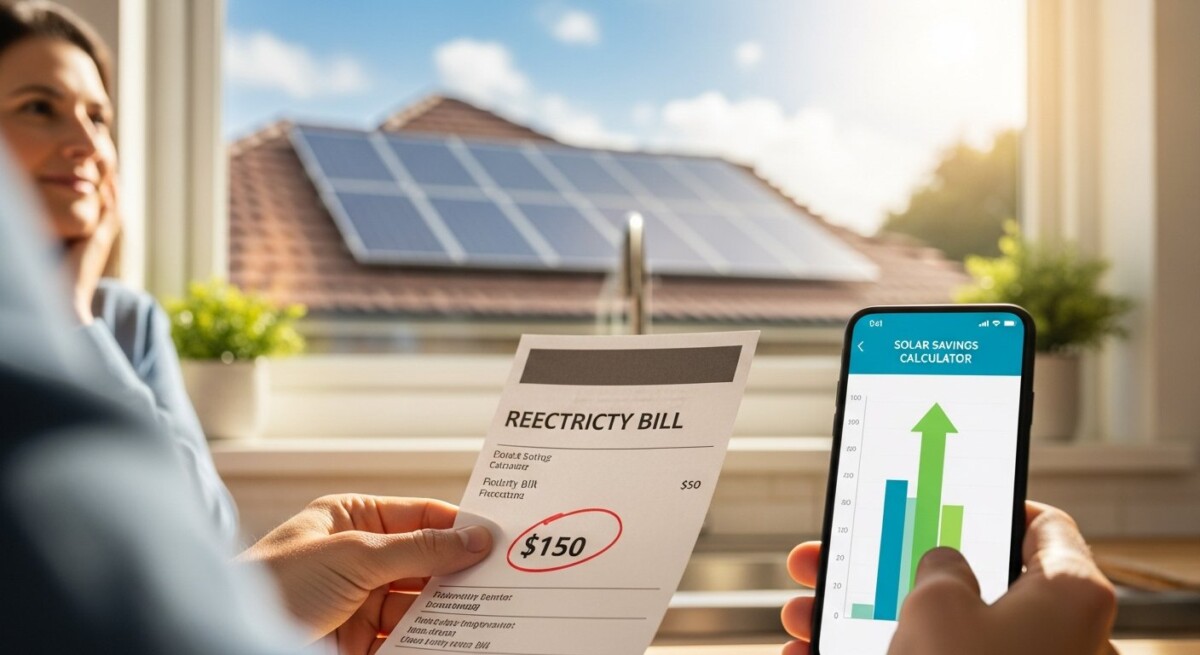
Every month, you open your electricity bill and wonder where all that money goes. Rising energy costs have pushed many homeowners to explore alternatives, and solar power is at the top of the list. If you have been searching for how to calculate long term solar savings, you are not alone,more families are looking for ways to reduce their monthly bills and gain greater control over their energy future. Understanding the numbers behind a solar investment can help you decide if it is the right move for your home.
Understanding How to Calculate Long Term Solar Savings
Calculating long term solar savings means estimating how much money you will save on electricity over the 25,30 year lifespan of a solar panel system. It is not just about the upfront cost; it is about comparing that cost to the total value of the electricity your panels will generate. The key variables include your current electricity rate, how much energy your home uses, the size of the solar system, and local incentives.
For example, if your monthly electric bill averages $150 and solar panels cover 90% of that usage, you could save about $1,620 per year. Over 25 years, even with modest annual rate increases, those savings can grow to tens of thousands of dollars. The best way to get an accurate picture is to use a solar calculator or request quotes from installers who will model your specific situation.
Key Variables in Solar Savings
Your geographic location plays a major role because sunlight hours vary by region. Net metering policies, which credit you for excess energy sent to the grid, also affect your total savings. Additionally, the angle and condition of your roof influence how much electricity your panels produce, so a professional site assessment is essential.
Why Solar Energy Is Becoming More Popular
Electricity prices have risen steadily over the past decade, and they show no sign of slowing down. Homeowners are tired of unpredictable bills and want a solution that offers stability. Solar panels lock in a large portion of your energy costs, protecting you from future rate hikes.
Environmental concerns also drive interest. Solar energy produces no greenhouse gases during operation, and reducing your carbon footprint appeals to many families. Pairing these benefits with the potential for significant long term savings makes solar an increasingly attractive option. In our guide on how to calculate long term solar savings, we break down exactly what numbers to look for.
If you are considering solar power for your home, comparing installation quotes can help you understand your options. Request a free solar quote or call to learn more.
Common Questions Homeowners Have About Solar
Many homeowners worry about the upfront installation cost, which can range from $10,000 to $30,000 before incentives. However, federal tax credits and state rebates can reduce that amount by 30% or more. You may also wonder if your roof is suitable,solar panels work best on south-facing roofs with little shade.
Performance concerns are common too. Modern panels are durable and efficient, often producing at 80% capacity even after 25 years. Battery storage can also keep your home powered during outages, adding resilience.
- How much does a typical residential solar system cost?
- Will solar panels work on my roof?
- How long does installation take?
- What happens during cloudy days or at night?
- Do solar panels increase home value?
- What maintenance is required?
How Solar Panel Installation Works
Installation begins with a home energy assessment, where an installer reviews your electricity bills and inspects your roof. They then design a system tailored to your energy needs and roof layout. After you approve the design, the installer handles permits and approvals from your local utility and municipality.
Panel installation typically takes one to three days, depending on system size and roof complexity. Once installed, the system must pass inspection and receive approval from your utility before it can be activated. From start to finish, the process usually takes four to eight weeks.
- Home energy assessment and bill review
- System design and equipment selection
- Permits and utility approvals
- Panel mounting and wiring installation
- System activation and net metering setup
Speaking with experienced installers can help you determine the best solar solution for your home. Compare solar quotes here or call to explore available options.
Signs Your Home May Be Ideal for Solar
Homes with strong, direct sunlight exposure for most of the day are prime candidates for solar. If your roof faces south, southwest, or southeast and has little shading from trees or chimneys, you will generate more electricity. High electricity bills also signal that solar could deliver substantial savings.
If you plan to stay in your home for at least five to ten years, the long term savings will more than cover the upfront cost. Sufficient roof space,typically 300 to 500 square feet for an average system,is another important factor. A professional installer can confirm your home’s suitability during a free site visit.
- Your roof gets at least five hours of direct sunlight per day
- Your monthly electricity bill exceeds $100
- Your roof is less than 15 years old and in good condition
- You plan to live in your home for the next 5+ years
- Your local utility offers net metering or favorable solar policies
What Affects Solar Installation Costs
System size is the biggest cost driver,more panels mean more electricity but also a higher upfront price. Equipment quality matters too: premium panels and inverters cost more but often come with better warranties and efficiency. Installation complexity, such as a steep roof or multiple stories, can add labor costs.
Local incentives and tax credits significantly reduce your net cost. The federal Investment Tax Credit (ITC) currently allows you to deduct 30% of the system cost from your federal taxes. Many states and utilities offer additional rebates, performance payments, or property tax exemptions for solar installations.
The cost of solar installation varies depending on your home and energy needs. Request personalized solar quotes or call to see what options are available.
Tips for Choosing a Reliable Solar Installer
Not all solar installers are created equal, so doing your homework is essential. Start by reviewing each company’s experience,how many installations have they completed, and how long have they been in business? Look for installers who use high-quality equipment and offer strong workmanship and performance warranties.
Reading customer reviews on platforms like Google, Yelp, or the Better Business Bureau can reveal red flags or confirm a strong reputation. Most importantly, compare quotes from at least three different installers. This allows you to see price differences, equipment options, and financing terms side by side.
- Check installer certifications (NABCEP, BBB accreditation)
- Ask about warranty coverage for panels, inverters, and labor
- Read recent customer reviews and testimonials
- Compare at least three detailed quotes before deciding
- Ensure the installer handles permits and utility paperwork
Long-Term Benefits of Installing Solar Panels
Lower electricity bills are the most immediate benefit, but the savings compound over time. As utility rates rise, your solar panels continue producing free electricity, making your savings larger each year. Studies show that homes with solar panels sell for about 4% more than comparable non-solar homes.
Beyond financial gains, solar reduces your household’s environmental impact by cutting greenhouse gas emissions. Energy independence is another powerful advantage,you become less vulnerable to grid outages and price spikes. Over 25 years, a typical system can save you $20,000 to $50,000 or more, depending on your location and energy use.
How Much Does a 10kW Solar System Save Per Month?
A 10kW system produces roughly 1,000 to 1,400 kilowatt-hours per month, depending on your location and sun exposure. At the national average electricity rate of $0.14 per kWh, that translates to savings of $140 to $196 per month. Over 25 years, those monthly savings add up significantly.
What Is the Payback Period for Solar Panels?
The payback period is the time it takes for your energy savings to equal the total cost of your system after incentives. For most homeowners, this falls between 6 and 10 years. After that point, the electricity your panels generate is essentially free, delivering pure savings.
Do Solar Panels Work During a Power Outage?
Standard grid-tied solar systems shut down during outages for safety reasons. However, if you install a battery backup system, you can store excess energy and power essential appliances when the grid goes down. Batteries add to the upfront cost but increase energy independence.
How Long Do Solar Panels Last?
Most solar panels come with a 25-year performance warranty, guaranteeing they will still produce at least 80% of their original output at that time. Many panels continue generating electricity for 30 years or more, so your long term savings extend well beyond the warranty period.
Will Solar Increase My Property Taxes?
In many states, solar panel installations are exempt from property tax assessments, meaning your home value can increase without raising your tax bill. Check your local laws, but most incentive programs include this protection to encourage adoption.
What Maintenance Do Solar Panels Require?
Solar panels require very little maintenance,rain usually keeps them clean enough. You may need to schedule an annual inspection or occasional cleaning in dusty areas. Most systems come with monitoring software that alerts you to performance issues.
Can I Finance Solar Panels With No Money Down?
Yes, many installers offer $0-down solar loans or leases. With a loan, you own the system and benefit from tax credits and long term savings. Leases and power purchase agreements (PPAs) require no upfront cost but offer smaller savings since the installer retains ownership.
How Does Net Metering Work?
Net metering allows you to send excess solar electricity to the grid in exchange for credits on your bill. When your panels produce less power (at night or on cloudy days), you draw from those credits. This arrangement maximizes the value of your solar system and shortens the payback period.
Understanding how to calculate long term solar savings is the first step toward making an informed decision about clean energy for your home. By comparing quotes from trusted installers, you can find a system that fits your budget and maximizes your financial returns. Explore your options today and take control of your energy future.