How Solar Quote Comparison Works to Cut Electricity Bills
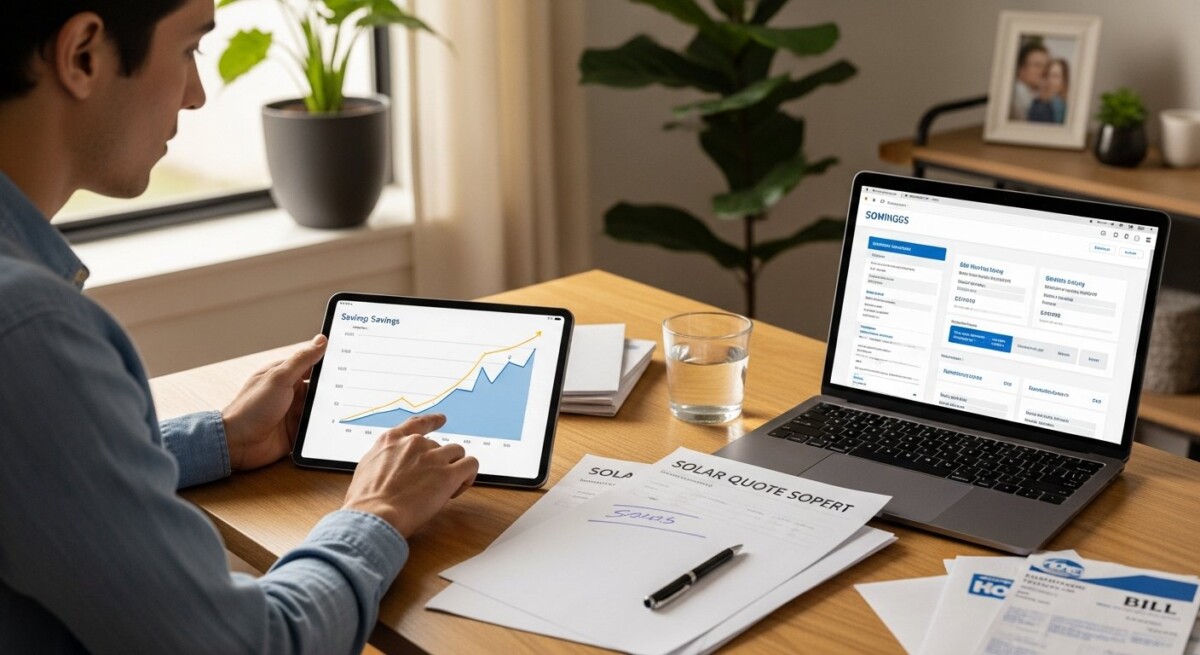
Imagine opening your monthly electricity bill and seeing a number that keeps climbing higher. For many homeowners, this frustration is the first step toward researching solar energy. You may have heard that solar panels can lower your electricity costs, but the path from curiosity to installation can feel overwhelming. That is where understanding how solar quote comparison works becomes essential. By comparing quotes, you can find a system that fits your budget, reduces your reliance on the grid, and puts you in control of your energy future.
Understanding how solar quote comparison works
Solar quote comparison is the process of gathering and evaluating multiple estimates from different solar installation companies before making a decision. Think of it like shopping for a car: you would not buy the first vehicle you see without checking prices, features, and warranties. The same logic applies to solar panels. Each installer provides a detailed proposal that includes equipment, labor, permits, and financing options.
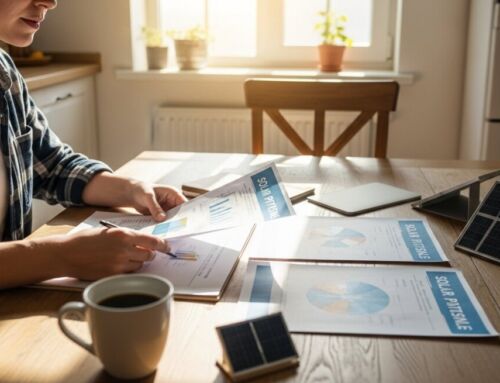
The goal of comparing quotes is to identify the best value,not just the lowest price. A cheaper system might use lower-quality panels or a shorter warranty, while a slightly more expensive option could save you more money over time. By reviewing several quotes side by side, you can spot differences in panel efficiency, inverter types, and installation timelines. In our guide on how solar quote comparison works to cut electricity bills, we explain the key factors that influence long-term savings.
Key components of a solar quote
A professional solar quote typically includes the total system size in kilowatts, the type and number of panels, the inverter model, and estimated annual energy production. It also shows the upfront cost, any available incentives, and projected monthly savings. Understanding these elements helps you compare apples to apples across different proposals.
Why Solar Energy Is Becoming More Popular
Rising electricity prices are pushing more homeowners to explore renewable energy. According to recent data, residential electricity rates have increased steadily over the past decade, and many utility companies predict further hikes. Solar panels offer a way to lock in lower energy costs and protect your household from future rate increases.
Environmental concerns also play a major role. Solar energy produces no greenhouse gas emissions during operation, making it one of the cleanest power sources available. For homeowners who want to reduce their carbon footprint, installing solar panels is a practical and visible step toward sustainability. Additionally, federal tax credits and state-level rebates have made solar more affordable than ever before.
Long-term savings remain the top motivator. While the initial investment can seem high, most homeowners recoup their costs through lower electricity bills within 6 to 10 years. After that, the electricity your panels generate is essentially free, adding up to thousands of dollars in savings over the system’s 25-year lifespan.
If you are considering solar power for your home, comparing installation quotes can help you understand your options. Request a free solar quote or call to learn more.
Common Questions Homeowners Have About Solar
Before diving into solar, most homeowners have questions about cost, installation, and performance. One of the most common concerns is whether solar panels will work on their roof. The answer depends on factors like roof age, orientation, shading, and local climate. A professional installer can assess your roof during a free consultation.
Another frequent question is about system performance during cloudy days or winter months. Modern solar panels are designed to capture diffuse light, so they still produce electricity even when the sun is not blazing. Battery storage systems can also store excess energy for use at night or during power outages.
- How much does a typical solar system cost upfront?
- Will solar panels increase my home’s property taxes?
- What happens if I move before my system is paid off?
- Do I need to clean my solar panels regularly?
- How long does the installation process take?
- Can I add more panels later if my energy needs grow?
How Solar Panel Installation Works
Solar panel installation follows a straightforward process, but each step requires professional expertise. The first stage is a home energy assessment, where an installer reviews your electricity usage, roof condition, and sun exposure. This data helps design a system that meets your specific needs.
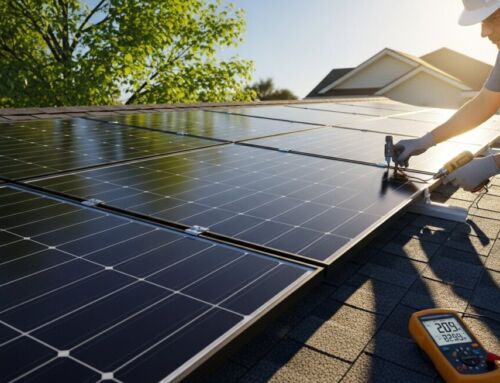
Once the design is finalized, the installer handles permits and approvals from your local utility and building department. This paperwork can take a few weeks, but a reputable company manages it for you. After approvals are in place, the actual installation typically takes one to three days, depending on system size and roof complexity.
- Home energy assessment and site evaluation
- Custom system design and equipment selection
- Permit application and utility approval
- Panel mounting, wiring, and inverter installation
- System testing and final inspection
- Grid connection and activation
Speaking with experienced installers can help you determine the best solar solution for your home. Compare solar quotes here or call to explore available options.
Signs Your Home May Be Ideal for Solar
Not every home is perfectly suited for solar panels, but many properties can benefit significantly. One of the strongest indicators is a south-facing roof with little to no shading from trees or nearby buildings. Direct sunlight exposure for most of the day maximizes energy production and speeds up your return on investment.
High electricity bills are another clear sign. If your monthly energy costs are above average for your area, solar panels can offset a large portion of that expense. Homes with electric heating, cooling, or electric vehicles tend to have higher consumption, making solar even more valuable.
- Your roof receives at least 4,5 hours of direct sunlight daily
- Your electricity bills are consistently high
- You have a large, unshaded roof area in good condition
- You plan to stay in your home for at least 5,10 years
- Your local utility offers net metering or solar incentives
- Your home is in a state with favorable solar policies
What Affects Solar Installation Costs
The cost of a solar system varies widely based on several factors. System size is the most obvious: a larger array that covers more of your energy needs will cost more upfront but can deliver greater long-term savings. Equipment quality also matters,premium panels and microinverters often carry a higher price tag but offer better efficiency and longer warranties.
Installation complexity can drive costs up as well. A simple roof with standard shingles and easy access is cheaper to work on than a steep, tiled, or multi-story roof. Local labor rates and permit fees also play a role. On the positive side, federal and state incentives can reduce your net cost by 26% or more, making solar accessible for many budgets.
The cost of solar installation varies depending on your home and energy needs. Request personalized solar quotes or call to see what options are available.
Tips for Choosing a Reliable Solar Installer
Choosing the right installer is just as important as choosing the right equipment. A reliable company will have a proven track record, proper licensing, and strong customer reviews. Look for installers who have been in business for at least a few years and can provide references from local homeowners.
Warranties are another critical factor. A good installer offers a workmanship warranty of at least 10 years, while the equipment itself should come with a 25-year performance guarantee. Reading the fine print helps you avoid surprises if something goes wrong down the road.
- Verify the installer’s license, insurance, and certifications
- Read online reviews on platforms like Google and the Better Business Bureau
- Ask about the warranty on both equipment and installation labor
- Request at least three detailed quotes before making a decision
- Check if the installer handles permits and paperwork
- Inquire about financing options and any hidden fees
Long-Term Benefits of Installing Solar Panels
The most obvious long-term benefit of solar panels is lower electricity bills. After your system is paid off, the energy it produces is essentially free, saving you hundreds or even thousands of dollars each year. Over the 25- to 30-year lifespan of typical panels, total savings often exceed $20,000 to $30,000, depending on your local utility rates.
Solar panels also increase your home’s resale value. Studies show that homes with solar systems sell for a premium compared to similar homes without solar. Buyers are attracted to the promise of lower utility costs and energy independence. Additionally, by generating your own clean energy, you reduce your household’s carbon emissions and contribute to a healthier environment.
Energy independence is another powerful benefit. With solar panels and a battery backup, you can keep your lights on and appliances running during grid outages. This peace of mind is especially valuable in areas prone to storms or rolling blackouts.
Frequently Asked Questions
How do I start comparing solar quotes?
Begin by researching local solar installers and requesting quotes from at least three companies. Provide each with the same information about your home and energy usage so the quotes are comparable. Look at the total cost, equipment quality, warranty, and estimated savings to make an informed decision.
What is the average cost of a solar system for a home?
The average cost of a residential solar system in the United States ranges from $15,000 to $25,000 before incentives. After applying the federal tax credit and any state rebates, the net cost can be significantly lower. Comparing quotes helps you find a system that fits your budget.
How long does it take for solar panels to pay for themselves?
Most homeowners recoup their investment in 6 to 10 years through lower electricity bills. The payback period depends on your local energy rates, system size, and available incentives. After that, the electricity your panels produce is essentially free for the remainder of the system’s life.
Will solar panels work during a power outage?
Standard grid-tied solar systems shut down during a power outage for safety reasons. However, if you install a battery storage system, you can store excess energy and use it to power essential appliances when the grid goes down. Some inverters also offer backup capabilities without a full battery system.
Do I need to clean my solar panels?
Solar panels are self-cleaning to some extent thanks to rain and wind. In most climates, you do not need to clean them regularly. However, if you live in a dusty area or have heavy pollen, occasional cleaning with water can improve efficiency. Most installers recommend an annual inspection.
Can I install solar panels on an old roof?
It is generally recommended to install solar panels on a roof that has at least 10,15 years of life remaining. If your roof is older, consider replacing it before the solar installation. A professional installer can evaluate your roof’s condition during the assessment and advise you on the best plan.
What happens to solar panels at the end of their life?
Most solar panels come with a 25-year performance warranty, but they can continue producing electricity at a reduced rate for many more years. When they eventually need replacement, many components can be recycled. Some manufacturers and installers offer take-back programs for old panels.
How much can I save on my electricity bill with solar?
Savings vary based on your energy consumption, system size, and local utility rates. On average, homeowners save between $600 and $1,200 per year on electricity bills. Over 25 years, total savings can reach $15,000 to $30,000 or more, especially if utility rates continue to rise.
Exploring solar energy is a smart step toward reducing your electricity bills, gaining energy independence, and contributing to a cleaner environment. By comparing solar installation quotes from multiple professionals, you can find the right system for your home and budget. The process may seem complex at first, but with clear information and trusted installers, you can make a confident decision that pays off for decades.