Find Your Perfect Solar System Recommendation Tool
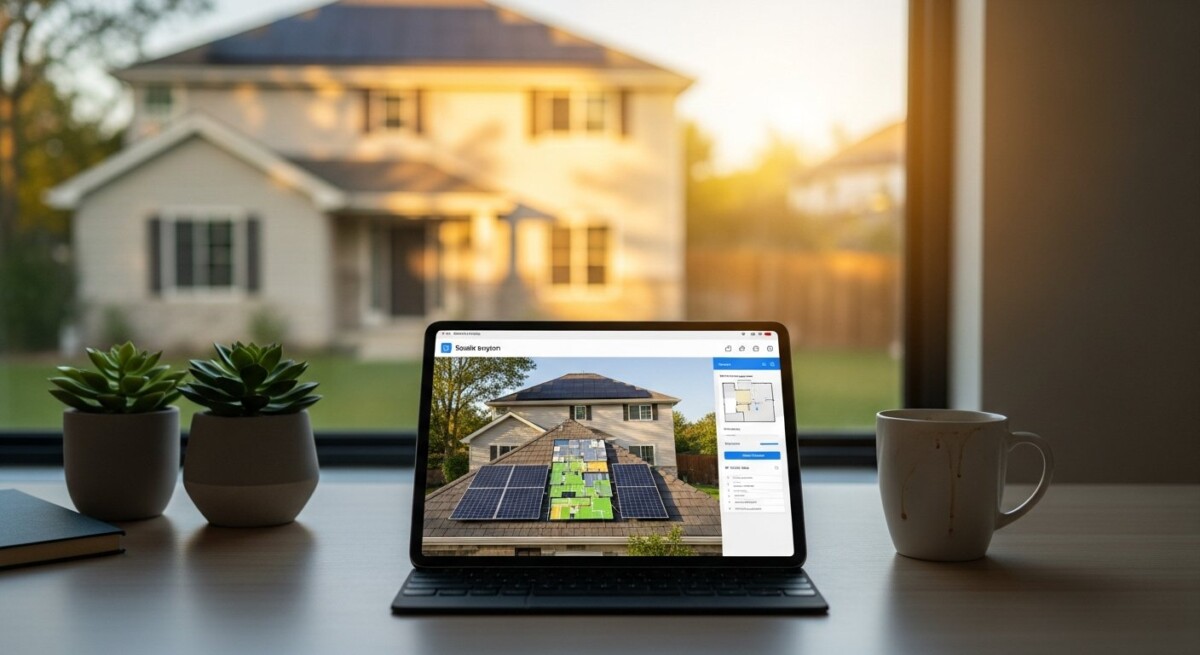
Choosing the right solar panel system for your home can feel overwhelming. With hundreds of panel brands, inverter types, battery options, and installer quotes to compare, many homeowners stall before ever generating a single watt. Yet the single most effective way to cut through the confusion is a solar system recommendation tool. These intelligent platforms analyze your unique energy usage, roof characteristics, and local incentives to deliver a tailored system design in minutes instead of weeks.
At NewSolarQuote, we have helped thousands of homeowners navigate this exact decision. Our experience shows that the difference between a system that saves 20% on electricity bills and one that saves 50% often comes down to the quality of the recommendation you receive upfront. In this guide, we break down exactly how a solar system recommendation tool works, what data you need to provide, and how to use the output to negotiate with installers and maximize your return on investment.
What Is a Solar System Recommendation Tool and Why Do You Need One?
A solar system recommendation tool is a web-based or app-based platform that collects information about your home, your electricity consumption, and your financial goals, then uses algorithms and real-world data to suggest an optimal solar configuration. Unlike a generic solar calculator that gives you a rough estimate, a recommendation tool accounts for shading patterns, roof pitch, local weather data, utility rate structures, and available incentives to produce a system that is truly tailored to your property.
Without such a tool, most homeowners rely on a single installer’s quote or an online estimate that ignores critical variables. This often leads to oversizing the system (wasting money on panels you do not need) or undersizing it (leaving money on the table because you still pay high utility bills). A recommendation tool removes the guesswork and gives you a data-backed baseline that you can use to compare bids from multiple installers.
Key Data Points a Recommendation Tool Analyzes
To generate an accurate recommendation, the tool typically asks for the following information. Preparing these details in advance speeds up the process and improves the quality of your results.
- Annual electricity usage: Usually obtained from 12 months of utility bills or a direct upload of your utility data. This is the single most important input because it determines the size of the solar array you need.
- Roof characteristics: Square footage, orientation (south, east, west), tilt angle, and shading from trees or nearby structures. Many tools integrate satellite imagery to verify your inputs automatically.
- Utility rate structure: Whether your utility uses flat rates, time-of-use pricing, or tiered rates. This affects how much you save by shifting your energy consumption to solar-producing hours.
- Local incentives: Federal tax credits, state rebates, net metering policies, and solar renewable energy certificates (SRECs) available in your area. These can reduce your upfront cost by 30% or more.
- Financial preferences: Whether you want to purchase the system outright, finance it with a loan, or enter a power purchase agreement (PPA) or lease. Each option affects long-term savings differently.
Once the tool processes these inputs, it outputs a recommended system size, estimated annual production, projected savings over 20 or 25 years, and a breakdown of costs versus benefits. Some advanced tools also provide a comparison of different panel brands and inverter types so you can see trade-offs between efficiency and price.
How to Use a Solar System Recommendation Tool Effectively
Using a recommendation tool is straightforward, but getting the most accurate results requires a bit of preparation. Follow these steps to ensure your output reflects reality as closely as possible.
Step 1: Gather your utility bills. Most tools ask for at least 12 months of usage history. If you do not have paper bills, log into your utility account online and download the usage data. Look for a CSV or PDF export option. If your usage varies significantly by season (for example, heavy air conditioning in summer), the tool will account for that and recommend a system that offsets your highest-consumption months.
Step 2: Measure or estimate your roof area. You do not need a tape measure. Use Google Maps or a satellite imagery tool to get the rough dimensions of your roof faces. Note any obstructions like chimneys, skylights, or vents that would reduce the usable space for panels. A good tool will let you draw your roof outline on a satellite image to calculate the exact square footage.
Step 3: Identify shading patterns. Walk around your property at different times of the day and note which parts of your roof are shaded by trees, neighboring buildings, or roof structures. Even partial shading on a single panel can reduce the output of an entire string. Many recommendation tools now include shading analysis using historical sunlight data for your location.
Step 4: Enter your utility rate details. If you are on a time-of-use plan, the tool needs to know when peak and off-peak rates apply. This information is on your utility bill or your utility’s website. Some tools can automatically pull rate data from public databases, but double-check that the rate schedule matches your actual plan.
Step 5: Review the output and compare scenarios. Run the tool with different financial options (purchase vs. loan vs. lease) and see how the payback period changes. A good recommendation will show you the net cost after incentives, the monthly savings, and the break-even point. Print or save this report to use when you talk to installers.
Key Features to Look for in a Solar System Recommendation Tool
Not all recommendation tools are created equal. Some are simple calculators that give you a ballpark number, while others are sophisticated platforms that produce installer-ready designs. Here are the features that separate a useful tool from a waste of time.
Integration with real-time utility data. The best tools can connect directly to your utility account via an API or secure data upload. This eliminates the need to manually enter usage numbers and ensures the data is accurate. If a tool only asks for your average monthly bill, it is likely oversimplifying the calculation.
Satellite-based roof analysis. Tools that use high-resolution satellite imagery to measure your roof, identify obstructions, and estimate solar irradiance produce far more accurate results than those that rely on generic assumptions. Look for tools that let you adjust the placement of panels on a digital model of your roof.
Battery storage integration. As more homeowners pair solar with battery storage, a recommendation tool should model how adding a battery affects your savings. It should show you the cost of the battery, the backup coverage during outages, and the potential earnings from selling stored energy back to the grid if your utility offers that option.
Multi-installer comparison. Some tools not only recommend a system but also connect you with pre-vetted installers who can bid on that specific design. This saves you the hassle of calling multiple companies and explaining your needs from scratch. Instead, each installer receives the same detailed specifications, making it easy to compare apples to apples.
Incentive and tax credit calculations. The tool should automatically apply the federal Investment Tax Credit (ITC), which currently covers 30% of the system cost, and any state or local rebates you qualify for. It should also show you the net system cost after all incentives, not just the gross price.
Common Mistakes Homeowners Make When Using a Solar Sizing Tool
Even the best solar system recommendation tool is only as good as the data you feed it. We have seen homeowners make several recurring errors that lead to inaccurate recommendations. Avoid these pitfalls to get a system that truly fits your needs.
Using only one month of utility data. A single month’s bill does not capture seasonal variation. If you enter a summer bill, the tool may oversize the system for winter needs. If you enter a mild spring bill, the tool may undersize it for summer air conditioning. Always use 12 months of data.
Ignoring future changes. Are you planning to buy an electric vehicle, install a heat pump, or add a pool? If so, your future electricity usage will be higher than today’s. A good tool should let you input expected future loads so the system is sized for what you will need, not just what you use now.
Overlooking panel degradation. Solar panels lose about 0.5% to 0.8% of their output each year. A recommendation tool that does not account for degradation will overestimate production in later years. Make sure the tool uses a realistic degradation curve (usually 25-year performance at 80% to 85% of initial output).
Choosing the cheapest panels without checking efficiency. If your roof space is limited, you may need high-efficiency panels to generate enough power. A recommendation tool should let you filter panels by efficiency rating so you can see the trade-off between cost and power density. Sometimes paying slightly more for premium panels makes sense when roof space is tight.
How a Recommendation Tool Helps You Negotiate With Installers
Armed with a detailed recommendation report, you walk into conversations with solar installers from a position of knowledge. Instead of asking “How much does solar cost?” you can ask “Why is your quote $2,000 more than the system the tool recommended?” The report gives you leverage because it provides an objective third-party analysis of what your home needs.
For example, if the tool recommends a 7.2 kW system with 18 panels and a specific inverter, and an installer proposes a 6.0 kW system with 15 panels, you can ask them to explain the discrepancy. Maybe the installer identified shading that the tool missed, or maybe they are using a lower-efficiency panel that requires more roof space. Either way, you have a productive conversation rather than accepting a quote blindly.
We have seen homeowners save between 10% and 20% on their final installation cost simply by using a recommendation report to negotiate. Installers know that an educated customer is less likely to be upsold on unnecessary equipment, so they tend to offer their most competitive pricing upfront.
Integrating a Solar System Recommendation Tool Into Your Research Process
Using a recommendation tool should be one step in a larger research process, not the only step. Start by reading general guides about solar energy to understand the basics of how panels, inverters, and net metering work. Then use the tool to generate a customized system design. Finally, cross-reference the tool’s output with reviews of specific equipment and installers in your area.
At NewSolarQuote, we recommend using the tool early in your research, before you contact any installers. This gives you a baseline that is independent of any sales pitch. If the tool’s recommendation aligns with what multiple installers propose, you can move forward with confidence. If there is a significant mismatch, you have a clear signal to dig deeper before committing.
For a deeper dive into how to evaluate installer quotes and compare financing options, read our article on choosing the best solar system recommendation tool for your home. That guide walks through the specific features to look for and how to interpret the results.
Making the Final Decision: From Recommendation to Installation
Once your solar system recommendation tool has given you a clear picture of the ideal system for your home, the next step is selecting an installer and signing a contract. Use the recommendation report to verify that the installer’s proposal matches the recommended system size, panel wattage, inverter type, and estimated production. If the installer suggests a different configuration, ask for a detailed explanation in writing.
Also check that the installer’s quote includes all the components the tool identified: racking, wiring, permits, and monitoring equipment. Some installers quote a low price but exclude critical items like the main panel upgrade or the monitoring gateway. Your recommendation report gives you a checklist to ensure nothing is missing.
Finally, review the warranty terms. Most quality panels come with a 25-year performance warranty, and inverters typically have 10 to 12 years of coverage. If the tool recommended a specific brand, confirm that the installer offers the manufacturer’s full warranty and not a reduced third-party warranty. These details matter because your solar system will operate for decades, and you want protection if something fails.
Adopting solar energy is one of the most impactful financial and environmental decisions a homeowner can make. A solar system recommendation tool removes the guesswork, saves you time, and ensures you invest in a system that truly meets your needs. By taking the time to input accurate data and carefully reviewing the output, you set yourself up for years of reliable clean energy and substantial savings on your electricity bills.