Can Solar Panels Be Installed on Old Roofs? Key Facts
If your roof has seen a few decades of weather, you may wonder whether solar panels can be installed on old roofs without causing damage or requiring a full replacement. The short answer is yes, but with important conditions. Older roofs can absolutely host a solar array, provided they pass a structural and material inspection. At NewSolarQuote, we help homeowners navigate this exact question every day. The key is understanding your roof’s remaining lifespan, material condition, and load capacity before any panels are mounted. Skipping this evaluation can lead to leaks, costly repairs, or even safety hazards. Let’s walk through what you need to know to make an informed decision.
Assessing Roof Age and Condition for Solar
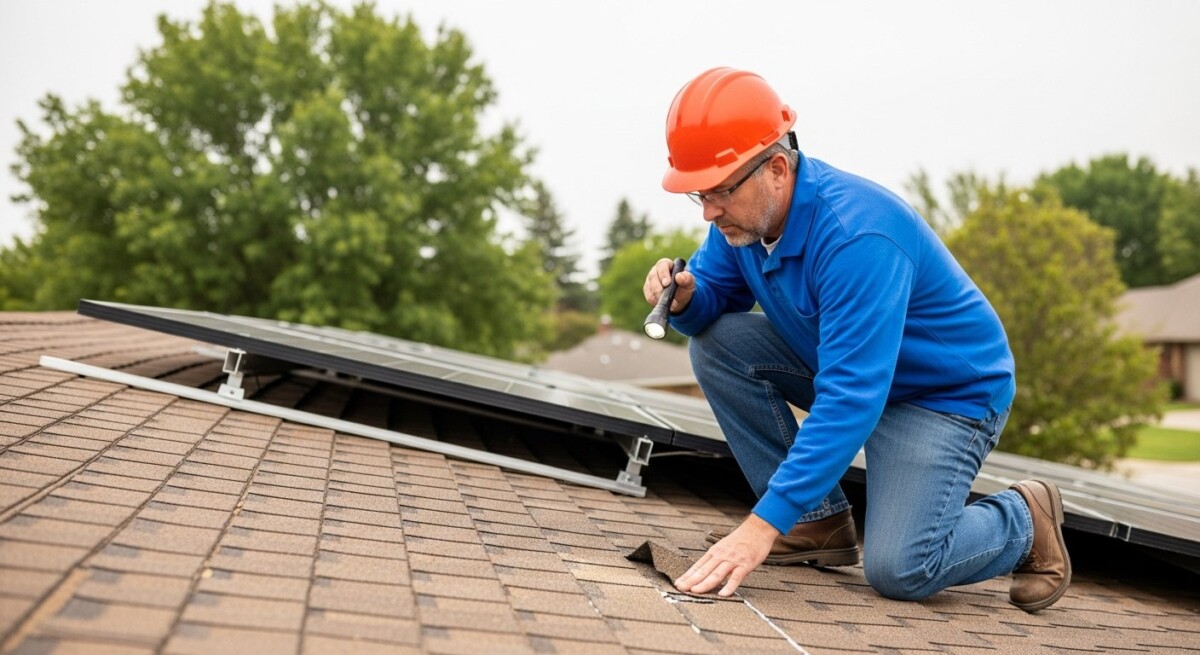
The first step in determining whether solar panels can be installed on old roofs is a professional roof inspection. A qualified solar installer or roofer will check for signs of wear such as cracked shingles, curling edges, missing granules, or sagging sections. They will also evaluate the roof deck for rot or water damage. If your roof is more than 20 years old, many experts recommend a replacement before installation, even if it appears sound. Solar panels typically last 25 to 30 years, so you want your roof to match that lifespan. Installing on a roof that needs replacement in five years means paying for removal and reinstallation of the panels, which can cost thousands of dollars.
Key Factors Inspectors Check
During an inspection, professionals focus on several critical areas. First, they verify the roof’s structural integrity to ensure it can support the added weight of solar equipment, which averages 3 to 5 pounds per square foot. Second, they examine the roofing material type, as asphalt shingles, metal, tile, and flat roofs each have different mounting requirements. Third, they look for any existing leaks or moisture damage that could worsen after panel installation. Finally, they assess the roof’s orientation and pitch to confirm adequate sun exposure. A thorough inspection gives you a clear picture of whether your old roof is ready for solar or needs upgrades first.
Roof Materials and Age: What Works Best
Not all old roofs are created equal. The material of your roof plays a major role in solar feasibility. Asphalt shingle roofs, which are the most common in the United States, can often support solar panels even at 15 to 20 years old, as long as the shingles are not brittle or curling. Metal roofs are excellent candidates because they are durable and can last 40 to 70 years, making them ideal for long-term solar investments. Tile roofs, whether clay or concrete, are also compatible but require specialized mounting brackets to avoid cracking. Slate and wood shake roofs are more challenging due to their fragility and require careful handling by experienced installers. Regardless of material, the roof must have at least 10 to 15 years of life remaining to make solar installation worthwhile. If your roof is near the end of its lifespan, replacing it before going solar is the most cost-effective path.
Structural Load and Safety Concerns
Old roofs may have hidden structural weaknesses that a solar installation could expose. Rafters, trusses, and decking can degrade over time due to moisture, pests, or simple age. Solar panels add both dead load (the weight of the panels and racking) and live load (snow, wind, and maintenance access). A structural engineer or experienced solar contractor can calculate whether your roof can handle these loads. In many cases, older homes built before modern building codes may need reinforcement. This could involve sistering rafters, adding support beams, or replacing sections of the roof deck. While this adds upfront cost, it ensures safety and prevents future problems. At NewSolarQuote, we always recommend a structural assessment for homes built before 1980, as those roofs often lack the load ratings required for solar.
Roof Replacement Versus Solar: Timing Matters
One of the most common dilemmas homeowners face is whether to replace an old roof first or install solar panels and deal with the roof later. The clear answer is to replace the roof first if it has less than 10 years of useful life left. Installing solar on a roof that needs replacement soon means you will eventually have to pay for removal and reinstallation of the panels, which can cost $2,000 to $4,000 or more. Worse, you may damage the panels during removal. By replacing the roof before solar installation, you avoid these extra costs and ensure your roof can support the panels for their full lifespan. Some homeowners choose to finance both projects together, and many solar companies offer combined roofing and solar packages. This approach simplifies the process and can save money in the long run.
Leak Risks and Waterproofing on Older Roofs
Penetrating the roof to mount solar panels always carries some risk of leaks, and this risk is higher on older roofs where seals and flashing may already be compromised. Professional installers use flashing kits and sealants designed to create watertight seals around each mounting point. However, if your roof has existing weak spots or deteriorated underlayment, those areas may leak after installation. To mitigate this, choose an installer who offers a workmanship warranty covering leaks for at least 10 years. Also, ask about the use of integrated flashing systems that replace rather than pierce the existing shingles. Some modern mounting systems use adhesive or ballast instead of roof penetrations, which can be a good option for older roofs. In our guide on can solar panels be blown off roof, we explain how proper mounting prevents not only leaks but also wind damage, an important consideration for older structures.
Permitting and Local Building Codes
Old roofs often trigger additional scrutiny during the permitting process. Local building departments may require a structural review or proof that the roof meets current wind and snow load standards before approving a solar permit. If your home is in a historic district or has a unique roof shape, you may face additional restrictions. Working with a solar installer who is familiar with your local jurisdiction is critical. They can handle the permit application, schedule inspections, and ensure compliance with all codes. Skipping this step can result in fines, forced removal of the system, or difficulty selling your home later. Always verify that your installer pulls the necessary permits and schedules final inspections.
Financial Incentives for Roof Replacement and Solar
One concern homeowners have is the cost of replacing a roof before adding solar. The good news is that the federal solar investment tax credit (ITC) allows you to claim 30% of the cost of solar equipment and installation as a tax credit. In some cases, roof replacement costs that are directly related to supporting the solar system may also qualify. Additionally, many states and utilities offer rebates or performance-based incentives for solar installations. Some homeowners use a solar loan to cover both the roof replacement and solar system in one combined project. This can make the upfront cost more manageable and ensure your home is ready for clean energy. At NewSolarQuote, we provide cost calculators and regional incentive guides to help you estimate your total savings.
Steps to Take Before Going Solar on an Old Roof
To ensure a smooth installation and avoid costly surprises, follow these steps before signing a solar contract:
- Schedule a professional roof inspection from a licensed roofer or solar company that includes structural assessment and remaining life estimate.
- Obtain at least three solar quotes from reputable installers who offer workmanship warranties and have experience with older roofs.
- Compare the cost of roof replacement now versus waiting, factoring in potential removal and reinstallation fees for the solar system.
- Check your homeowner’s insurance policy to confirm coverage for solar panels and any exclusions related to older roofs.
- Research local permitting requirements and ask your installer to handle all permit applications and inspections.
Taking these steps protects your investment and ensures your old roof can safely support solar panels for decades. Many homeowners find that combining roof replacement with solar installation is the most efficient and cost-effective path forward.
When to Say No to Solar on an Old Roof
There are situations where installing solar on an old roof is not advisable. If your roof has significant structural damage, widespread rot, or is made of materials that are incompatible with standard mounting systems, postponing solar until after a roof replacement is the smarter choice. Similarly, if your roof is less than five years away from replacement and you cannot afford to do both projects now, it may be better to wait. Solar panels are a long-term investment, and installing them on a failing roof can lead to frustration, unexpected costs, and reduced energy savings. A reputable solar consultant will be honest about these limitations and help you plan accordingly.
Making the Final Decision
Deciding whether solar panels can be installed on old roofs comes down to a careful evaluation of your roof’s condition, your budget, and your long-term goals. With the right preparation, many older roofs can successfully host solar systems and deliver clean energy for decades. The key is to work with experienced professionals who will assess your roof honestly and recommend the best path forward. At NewSolarQuote, we connect homeowners with trusted solar providers who understand the unique challenges of older roofs. Whether you need a simple inspection or a full roof replacement before going solar, we can help you find the right solution for your home.
Solar energy is a powerful way to reduce your electricity bills and carbon footprint. With proper planning, even an older roof can become the foundation for a sustainable future. Take the time to evaluate your roof’s condition, explore your options, and move forward with confidence.