How Homeowners Choose Solar Installers: A Complete Guide
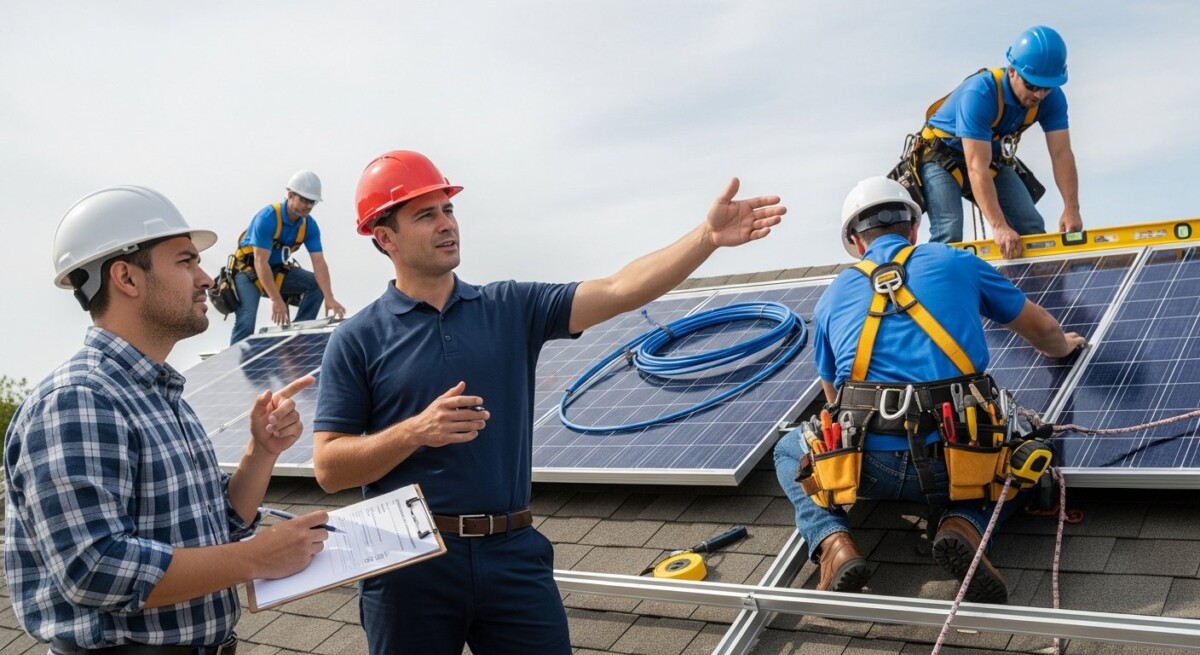
Choosing a solar installer is one of the most consequential decisions a homeowner makes when transitioning to solar energy. With thousands of installation companies operating across the United States and a wide range of pricing, equipment quality, and service levels, the selection process can feel overwhelming. Yet homeowners who approach this decision with a clear framework consistently end up with better system performance, fewer headaches, and stronger long-term savings. Understanding how homeowners choose solar installers reveals a pattern of careful research, comparison shopping, and verification that protects both their investment and their peace of mind.
The stakes are high. A solar panel system typically costs between $15,000 and $30,000 before incentives, and it is expected to produce electricity for 25 years or more. Choosing the wrong installer can lead to poorly designed systems, hidden fees, delayed timelines, or subpar equipment that underperforms over time. On the other hand, selecting a reputable, experienced installer results in a smooth installation, optimized energy production, and maximum financial returns. This guide walks through the step-by-step process that savvy homeowners use to evaluate and select the right solar partner for their home.
Start With Your Energy Goals and Home Profile
Before reaching out to any installer, successful homeowners first clarify what they want from solar. Do they want to eliminate their electric bill entirely, or simply reduce it? Are they planning to add an electric vehicle or battery storage in the future? Do they prioritize the lowest upfront cost, the highest long-term savings, or energy independence during power outages? These goals directly influence the type of system and installer that will be the best fit.
Homeowners also gather essential information about their property. They review their past 12 months of electric bills to understand their average monthly usage in kilowatt-hours. They note the age and condition of their roof, the amount of unshaded south-facing roof space, and their home’s orientation. Some homeowners use online tools such as the solar calculators available on NewSolarQuote to get a preliminary estimate of system size, potential savings, and payback period before they ever talk to a salesperson. This preparation puts them in a stronger negotiating position and helps them evaluate installer proposals more critically.
Research and Create a Shortlist of Installers
Once a homeowner understands their own needs, the next step is identifying which installers serve their area. The solar industry includes three main types of installation companies: national providers, regional chains, and local independent contractors. Each has distinct advantages and trade-offs. National companies often have lower equipment costs due to bulk purchasing and standardized processes, but they may use subcontractors for the actual installation, which can affect quality control. Regional and local installers tend to offer more personalized service, faster response times, and deeper knowledge of local permitting, utility requirements, and climate conditions.
Homeowners typically start their installer research by asking for referrals from neighbors who already have solar, checking online review platforms such as Google Reviews and Solar Reviews, and searching for installers on trusted industry databases. They look for companies with a strong track record of positive reviews specifically related to installation quality, communication, and post-installation support. A company with hundreds of reviews and a rating of 4.5 stars or higher is generally a safer bet than one with only a handful of reviews, regardless of the star rating.
After gathering names, homeowners narrow their list to three to five installers. They verify each company’s licensing, insurance, and any disciplinary history through their state contractor licensing board. They also check how long the company has been in business. While newer companies can be excellent, solar installations require specialized knowledge of electrical work, roof integrity, and local codes. Companies with at least three to five years of experience in solar installation tend to have more refined processes and fewer callbacks.
Evaluate Proposals With a Critical Eye
When homeowners invite multiple installers to provide quotes, they enter the most important phase of the selection process. A solar proposal is more than just a price tag. It is a detailed document that specifies the equipment, system design, projected energy production, financial terms, and warranty coverage. Homeowners who know how to compare these proposals side by side are far less likely to overpay or end up with a suboptimal system.
Homeowners look at four key areas when comparing proposals:
- Equipment quality: The make, model, and efficiency rating of the solar panels, inverters, and racking. Tier 1 panels from manufacturers like LG, SunPower, REC, and Panasonic are preferred for their reliability and performance. Microinverters or power optimizers are generally recommended over string inverters for roofs with partial shading or complex angles.
- System size and production estimate: The proposed system size in kilowatts (kW) and the estimated annual energy production in kilowatt-hours (kWh). Homeowners compare this to their actual electricity usage to ensure the system will meet their needs. They also check whether the production estimate uses conservative assumptions about weather and shading or overly optimistic figures meant to make the system look more attractive.
- Pricing and financing terms: The total cost before and after incentives, the price per watt, and the terms of any loan, lease, or power purchase agreement. Homeowners pay special attention to the annual percentage rate (APR) on loans, any prepayment penalties, and whether the installer includes a price escalation clause that increases payments over time.
- Warranty coverage: The workmanship warranty covering the installation labor, the equipment warranty for panels and inverters, and the production guarantee that ensures the system will generate a minimum amount of electricity. Strong proposals include a 10-year workmanship warranty, a 25-year panel performance warranty, and a 25-year production guarantee.
Homeowners also ask pointed questions about what happens if the system underperforms, how long the installation will take, who will handle permits and interconnection with the utility, and what the process is for addressing any issues after installation. They request references from recent customers, ideally ones whose homes are similar in size and roof type to their own. A reputable installer readily provides these references and encourages the homeowner to speak with them directly.
Leverage Third-Party Tools for Comparison
Many homeowners find it helpful to use an independent platform to compare quotes from multiple installers without the pressure of individual sales calls. This approach allows them to see a range of pricing and equipment options side by side, making it easier to identify outliers and negotiate better terms. Compare local solar installers for maximum savings using NewSolarQuote’s free comparison tool, which connects homeowners with pre-vetted installers in their area and provides transparent pricing information. This service helps homeowners save time, avoid high-pressure sales tactics, and focus on the proposals that offer the best value for their specific situation.
Using a comparison platform also introduces an element of competition among installers. When installers know that a homeowner is evaluating multiple bids through an independent service, they are more likely to put forward their best pricing and terms upfront. Homeowners who use this approach report saving 10 to 20 percent on their solar installation compared to those who contact a single installer directly.
Verify Credentials and Reputation
After narrowing the field to two or three finalists, thorough homeowners perform additional due diligence before signing a contract. They confirm that each installer holds valid licenses for electrical and general contracting in their state. They ask for proof of general liability insurance and workers’ compensation insurance to protect themselves in case of an accident during installation. They also check whether the company is certified by the North American Board of Certified Energy Practitioners (NABCEP), which is the gold standard credential for solar professionals. Installers with NABCEP-certified designers and installers demonstrate a commitment to industry best practices and ongoing education.
Homeowners also investigate the company’s standing with the Better Business Bureau (BBB) and search for any unresolved complaints or legal disputes. They read reviews on multiple platforms, paying attention to how the company responds to negative feedback. An installer that engages constructively with complaints and works to resolve issues earns more trust than one that ignores criticism or reacts defensively. Additionally, homeowners check whether the company has filed for bankruptcy or changed names recently, which can be warning signs of financial instability.
Understand the Contract Inside and Out
The contract is the final safeguard before installation begins. Homeowners read every clause carefully, paying special attention to the payment schedule, project timeline, and any contingencies. They look for language that allows the installer to substitute equipment without notice, which can result in receiving lower-quality panels or inverters than originally quoted. They also check the terms of the production guarantee: what happens if the system does not generate the promised amount of electricity? A strong contract includes a clear remedy, such as a cash payment or a system upgrade, to compensate for any shortfall.
Homeowners also ask about the permitting and interconnection process. The installer should handle all necessary permits from the local building department and the interconnection agreement with the utility company. The contract should specify who is responsible for these steps and include an estimated timeline. Delays in permitting are one of the most common frustrations in solar projects, so clarity on this point is essential. Finally, homeowners confirm that the contract includes a detailed scope of work covering everything from roof penetration sealing to conduit routing to final system testing and monitoring setup.
Consider Post-Installation Support and Monitoring
The relationship with an installer does not end when the panels are on the roof. Homeowners look for companies that provide ongoing support, including system monitoring, maintenance services, and responsive customer service. Many installers offer monitoring platforms that track system performance in real time and alert the homeowner if something goes wrong. A good installer proactively monitors their customers’ systems and reaches out at the first sign of underperformance rather than waiting for the homeowner to notice a higher electric bill.
Homeowners also ask about the process for handling warranty claims. Some installers act as the single point of contact for all warranty issues, while others require the homeowner to deal directly with the equipment manufacturer. The former approach is generally preferred because it simplifies the process and holds the installer accountable for coordinating repairs or replacements. Homeowners who choose an installer with a strong local presence and a dedicated service team have a much smoother experience if a problem arises years down the road.
Trust Your Instincts and Make the Decision
After completing all the research, comparisons, and verification steps, the final decision often comes down to a combination of data and gut feel. Homeowners who have done their homework know which installer offers the best combination of price, equipment, warranty, and reputation. But they also consider how the installer treated them during the sales process. Did the salesperson listen carefully to their needs, or did they push a one-size-fits-all solution? Were they transparent about pricing and timelines, or did they dodge direct questions? Did they communicate clearly and promptly, or did they leave long gaps between responses?
The best solar installers treat the pre-sale process as the beginning of a long-term partnership. They invest time in understanding the homeowner’s goals, educate them about their options, and provide clear, honest proposals without pressure tactics. Homeowners who feel confident in their installer’s expertise, integrity, and commitment to quality are far more likely to be satisfied with their solar experience for decades to come. By following this structured approach to evaluating and selecting an installer, homeowners can go solar with confidence, knowing they have made a smart, informed investment in their home and their energy future.