Can Solar Panels Be Installed on Old Roofs? Save on Bills Now
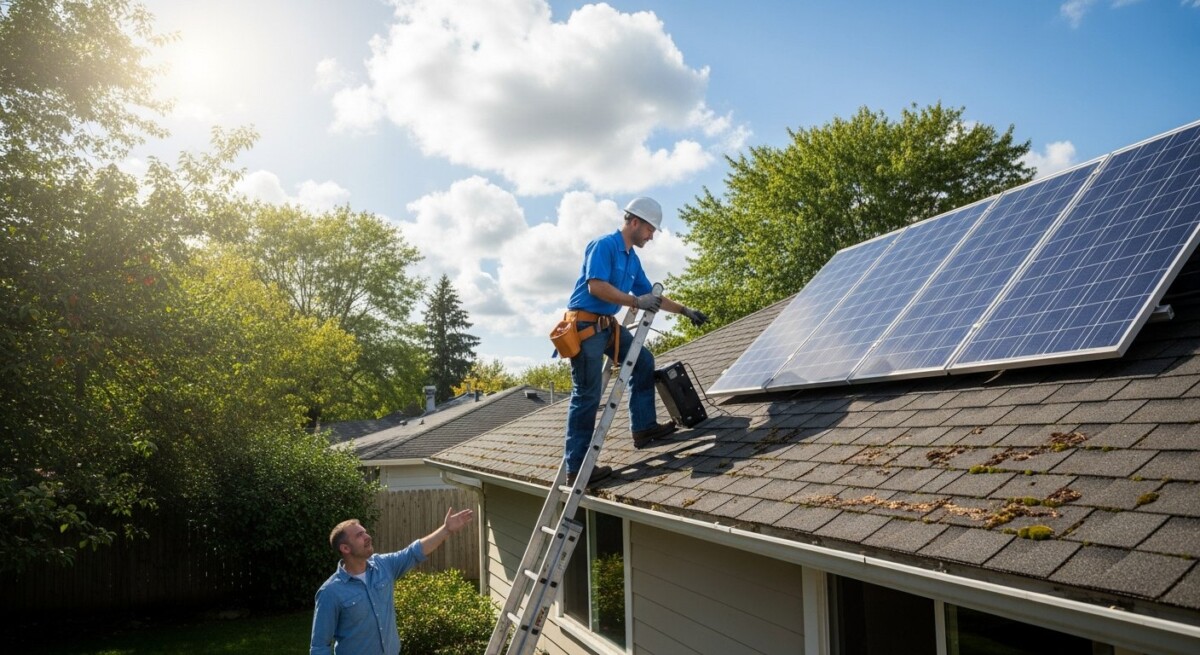
You’ve been watching your electricity bills climb higher each year. Like many homeowners, you’ve started searching online for ways to cut costs and gain more control over your energy use. That search often leads to one question: can solar panels be installed on old roofs? It’s a practical concern, especially if your home has been standing for decades. The good news is that age alone does not rule out solar, and with the right approach, you can start reducing your energy bills and become less dependent on the power grid,even with an older roof.
Understanding can solar panels be installed on old roofs
Solar panels can absolutely be installed on old roofs, but the process requires careful planning and a professional evaluation. The technology itself is straightforward: photovoltaic cells on the panels capture sunlight and convert it into electricity you can use in your home. However, the roof underneath must be structurally sound enough to support the panels for 25 years or more.
More homeowners are considering solar because it offers a way to lock in lower electricity rates and reduce monthly expenses. If your roof is older, an installer will check its age, material, and condition before proceeding. In many cases, they may recommend minor repairs or even a roof replacement first,but that can be a smart investment that pays off through decades of energy savings.
How roof age affects solar installation
A roof that is nearing the end of its lifespan,say, 20 years or older for asphalt shingles,may need replacement before solar panels go on top. Removing and reinstalling panels later costs extra time and money. By addressing roof health upfront, you avoid future headaches and ensure your solar system delivers maximum value.
Why solar energy is becoming more popular
Rising electricity prices are pushing more families to explore solar power. When you generate your own energy, you shield yourself from utility rate hikes that seem to come every year. The long-term savings are substantial,most homeowners recoup their investment within 6 to 10 years and then enjoy free or low-cost electricity for decades.
Environmental concerns also play a big role. Solar energy produces no greenhouse gas emissions, so switching to solar directly reduces your household’s carbon footprint. And with government incentives like the federal solar tax credit, the upfront cost is lower than ever. These factors combine to make solar an attractive, practical choice for homeowners across the country.
If you are considering solar power for your home, comparing installation quotes can help you understand your options. Request a free solar quote or call 1-800-555-SOLAR to learn more.
Common questions homeowners have about solar
Many homeowners worry that solar is too expensive or that their roof isn’t suitable. These are valid concerns, but professional installers can address them with data and experience. They assess your home’s sun exposure, roof condition, and energy usage to design a system that fits your situation.
Performance is another common worry. Will panels work on cloudy days? Yes,they still generate electricity from diffuse light, just at a lower rate. Modern systems are highly efficient and backed by strong warranties, giving you peace of mind for decades.
- Will solar panels damage my old roof?
- How much does a full solar system cost?
- What happens if my roof needs repairs after panels are installed?
- How long do solar panels last?
- Do I need to replace my roof before going solar?
- Can I install solar myself to save money?
How solar panel installation works
The installation process starts with a home energy assessment. An installer reviews your electricity bills, inspects your roof, and evaluates shading from trees or nearby buildings. This data helps them design a system that meets your specific energy needs.
Once the design is finalized, the installer handles permits and approvals with your local utility and municipality. Then the physical installation begins,panels are mounted on rails attached to your roof rafters. After wiring and connection to your electrical panel, the system is activated and starts generating power.
- Home energy assessment
- System design and equipment selection
- Permits and approvals
- Panel installation and wiring
- System activation and monitoring setup
Speaking with experienced installers can help you determine the best solar solution for your home. Compare solar quotes here or call 1-800-555-SOLAR to explore available options.
Signs your home may be ideal for solar
Not every home is a perfect candidate, but many older homes work well with solar. The key factors include strong sunlight exposure, high electricity bills, and enough roof space facing south or west. If you plan to stay in your home for several more years, solar becomes an even smarter investment.
Professional installers use tools like solar pathfinders to measure your roof’s solar potential. They can also identify any issues,like excessive shading or structural weaknesses,and recommend solutions. Even homes with complex roofs often have viable solar options.
- Strong sunlight exposure with minimal shading
- High monthly electricity bills
- Suitable roof space facing south, east, or west
- Long-term home ownership plans (5+ years)
- Roof in good condition or recently replaced
- Local incentives or net metering programs available
What affects solar installation costs
System size is the biggest cost factor,larger systems produce more electricity but require more panels and equipment. The quality of panels and inverters also matters; premium components cost more upfront but often deliver better efficiency and longer warranties.
Installation complexity can drive costs up if your roof is steep, has multiple angles, or requires structural reinforcement. Local incentives and rebates can significantly reduce the net price. In many states, combining the federal tax credit with state programs cuts the total cost by 30% or more.
The cost of solar installation varies depending on your home and energy needs. Request personalized solar quotes or call 1-800-555-SOLAR to see what options are available.
Tips for choosing a reliable solar installer
Choosing the right installer is just as important as choosing the right equipment. A reputable company will conduct a thorough site evaluation, explain your options clearly, and provide a detailed written quote. They should also handle all permits and inspections for you.
Don’t rush the decision. Take time to review installer experience, check customer reviews on third-party sites, and ask about warranties on both equipment and workmanship. Comparing multiple quotes helps you spot fair pricing and avoid overpaying.
- Review installer experience and certifications
- Check warranties on panels, inverters, and workmanship
- Read customer reviews on Google, Yelp, or SolarReviews
- Compare at least three quotes before signing a contract
- Ask about financing options and incentive handling
Long-term benefits of installing solar panels
Once your solar system is paid off, your electricity bills drop dramatically,often by 70% to 100%. That money stays in your pocket instead of going to the utility company. Over 25 years, the total savings can easily exceed $30,000, depending on your location and energy use.
Solar panels also increase your home’s resale value. Studies show that homes with solar systems sell for more and move faster than comparable non-solar homes. Plus, you reduce your reliance on fossil fuels and contribute to a cleaner environment. It’s a win for your finances and for the planet.
In our guide on can solar panels be installed on metal roofs, we explain how different roofing materials affect installation. Many of the same principles apply to older roofs of all types.
Frequently Asked Questions
Can solar panels be installed on an old roof without replacing it?
Yes, as long as the roof is in good condition and has at least 10,15 years of life remaining. A professional inspection will determine if repairs or replacement are needed before installation.
Will solar panels damage my old roof?
No, when installed correctly by experienced professionals, solar panels do not damage your roof. Mounting systems are designed to seal around attachments and prevent leaks.
How long do solar panels last on an older home?
Most solar panels come with a 25-year performance warranty and continue generating electricity for 30 years or more. The roof underneath may need replacement sooner, but panels can be removed and reinstalled.
Do I need to replace my roof before getting solar panels?
Not always, but if your roof is near the end of its lifespan, replacing it first is recommended. This avoids the extra cost of removing and reinstalling panels later.
What incentives are available for solar on older roofs?
The federal solar tax credit lets you deduct 30% of your system cost from your taxes. Many states and utilities offer additional rebates, performance payments, or net metering programs.
Can I install solar panels myself on an old roof?
DIY installation is possible but risky, especially on older roofs. Professional installers ensure structural safety, proper wiring, and compliance with local codes,plus they handle permits and warranties.
How much can I save on electricity bills with solar?
Savings vary, but most homeowners reduce their electricity bills by 50% to 100%. Over 25 years, total savings typically range from $20,000 to $50,000 depending on your energy use and local rates.
Will solar work on a shaded old roof?
Partial shading reduces output, but modern microinverters or power optimizers can minimize the impact. An installer can measure shading and design a system that still delivers meaningful savings.
Going solar on an older roof is entirely possible with the right preparation and professional guidance. By taking the time to assess your roof, compare quotes from reputable installers, and take advantage of available incentives, you can reduce your electricity bills, increase your home’s value, and enjoy greater energy independence. Start exploring your options today,request quotes from multiple installers and see how solar can work for your home.