Free Solar Quotes: Your First Step to Lower Energy Bills
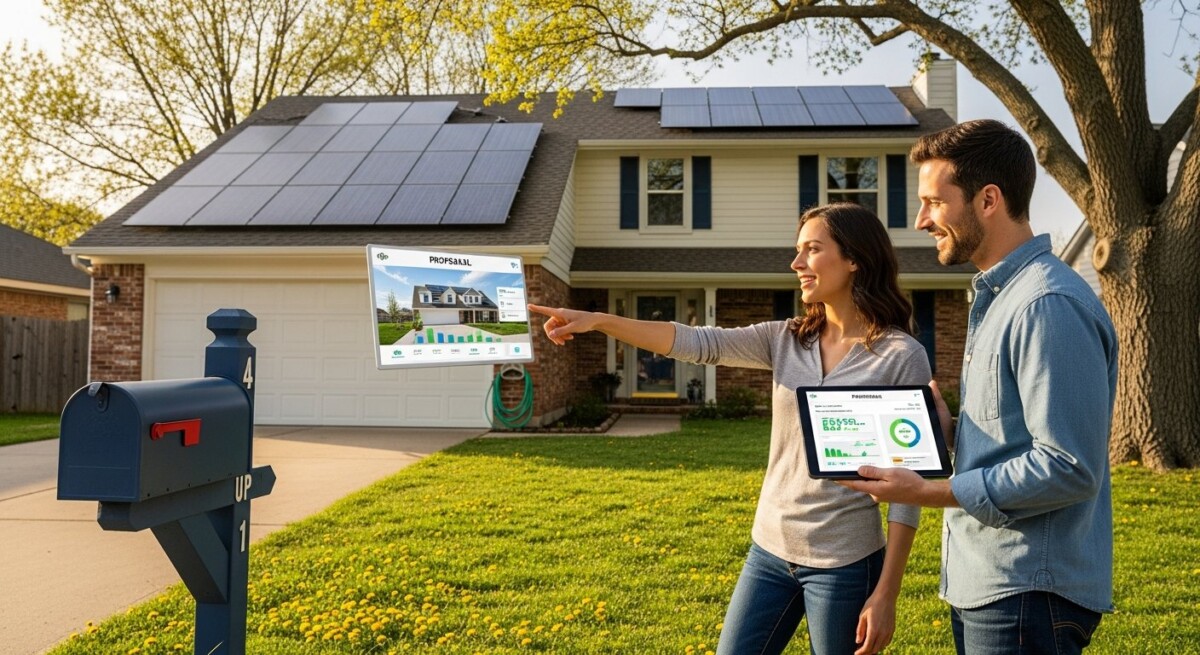
Every month, you open your electricity bill and wince. The number keeps climbing, and you wonder if there is a better way. You are not alone. Many homeowners are now searching for free solar quotes to see if solar panels can reduce their energy costs and give them more control over their power supply. The idea of generating your own electricity and cutting ties with the grid is no longer a distant dream,it is a practical step you can take today.
Understanding Free Solar Quotes
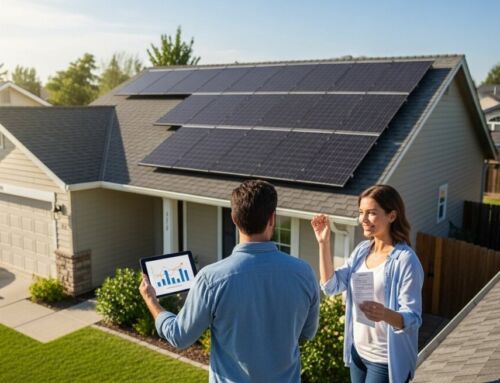
A free solar quote is an estimate provided by a solar installation company. It outlines the cost of a solar panel system for your home, including equipment, labor, and any available rebates or incentives. The quote is free because the company wants to win your business,and you want to learn what solar can do for you.
How does it work? You provide basic information about your home and energy usage. The installer then uses satellite imagery or a site visit to design a system tailored to your roof and needs. Within a few days, you receive a detailed proposal that shows the upfront cost, projected savings, and payback period.
More homeowners are requesting free solar quotes because the process is simple and risk-free. It allows you to compare offers from multiple installers without spending a dime. This comparison is key to finding the best price and system for your home.
What a Free Solar Quote Typically Includes
A thorough quote should include the number and type of panels, inverter specifications, estimated annual energy production, total system cost, financing options, and warranty details. It should also show how much you can expect to save on your electricity bills each year.
Why Solar Energy Is Becoming More Popular
Electricity prices have risen sharply over the past decade, and they show no signs of falling. Solar energy offers a way to lock in lower energy costs for decades. By generating your own power, you shield yourself from future rate hikes.
Environmental concerns are also driving adoption. Solar panels produce clean, renewable energy without carbon emissions. For many homeowners, reducing their carbon footprint is as important as saving money. Solar gives you both,a win for your wallet and the planet.
Long-term savings are the biggest draw. While solar panels require an upfront investment, they typically pay for themselves within six to ten years. After that, your electricity is essentially free for the remaining life of the system, which can last 25 years or more.
If you are considering solar power for your home, comparing installation quotes can help you understand your options. Request a free solar quote or call 1-800-SOLAR-01 to learn more.
Common Questions Homeowners Have About Solar
Many homeowners hesitate because they are unsure about costs and logistics. The most common concern is the upfront installation cost. However, federal tax credits and state incentives can reduce the price by 30% or more, making solar more affordable than ever.
Roof suitability is another frequent question. Solar panels work best on roofs with southern exposure, minimal shading, and adequate space. Even roofs that are not ideal can often be equipped with high-efficiency panels or ground-mounted systems.
System performance in cloudy or cold weather is also a concern. Solar panels still generate electricity on overcast days, though at reduced output. Modern panels are designed to capture diffused light, and net metering allows you to bank excess energy for later use.
- How much does a solar system cost for an average home?
- Will solar panels work on my roof if it is old or shaded?
- How long does installation take?
- What happens if my panels produce more energy than I use?
- Do I need to replace my roof before installing solar?
- Are there financing options with zero down payment?
How Solar Panel Installation Works
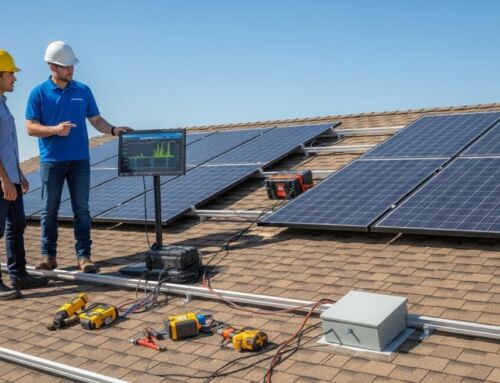
The installation process is straightforward when you work with a professional installer. It begins with a home energy assessment to determine your current usage and the size of system you need. The installer then designs the system to fit your roof and meet your energy goals.
Next, your installer handles the permits and approvals required by your local utility and municipality. This step ensures your system meets all safety and grid-connection standards. Once approved, the physical installation typically takes one to three days.
After the panels are mounted and wired, the system is inspected and connected to the grid. The final step is activation, which turns your solar array into a working power plant. From start to finish, the process usually takes four to eight weeks.
- Home energy assessment
- System design and proposal
- Permits and approvals
- Panel installation
- Electrical wiring and inverter setup
- Inspection and grid connection
- System activation and monitoring setup
Speaking with experienced installers can help you determine the best solar solution for your home. Compare solar quotes here or call 1-800-SOLAR-01 to explore available options.
Signs Your Home May Be Ideal for Solar
Not every home is a perfect candidate, but many are. If your roof receives strong sunlight for most of the day, especially between 9 a.m. and 3 p.m., your home is likely a good match. South-facing roofs with little to no shade are the most efficient.
Your current electricity bills are another strong indicator. If you pay $100 or more per month, solar can likely reduce or eliminate that expense. Homes with electric heating, air conditioning, or electric vehicles tend to see the biggest savings because they use more power.
If you plan to stay in your home for at least five more years, solar is a wise investment. The savings accumulate over time, and the system adds value to your property if you decide to sell.
- Your roof faces south, east, or west with minimal shading
- You receive high monthly electricity bills
- Your roof is less than 15 years old and in good condition
- You plan to stay in your home for five years or more
- Your state or utility offers strong solar incentives
- You have enough roof space (typically 300,500 square feet)
What Affects Solar Installation Costs
The size of your system is the primary cost driver. Larger homes with higher energy usage need more panels, which increases the price. The average residential system is between 5 and 10 kilowatts, costing $10,000 to $25,000 before incentives.
Equipment quality also matters. Premium panels from top manufacturers cost more but offer higher efficiency and longer warranties. Budget panels are cheaper but may produce less power over their lifetime. Your installer can help you balance cost and quality.
Installation complexity can raise the price. A simple roof with easy access is cheaper to install than a steep, multi-story roof with complex wiring. Local incentives and rebates can significantly lower your out-of-pocket cost, so be sure to ask what is available in your area.
The cost of solar installation varies depending on your home and energy needs. Request personalized solar quotes or call 1-800-SOLAR-01 to see what options are available.
Tips for Choosing a Reliable Solar Installer
Choosing the right installer is just as important as choosing the right panels. A reliable company will have years of experience, proper licensing, and a track record of satisfied customers. Do not rush the decision,take your time to research.
Warranties are a critical part of your purchase. Look for a company that offers a comprehensive workmanship warranty of at least 10 years, plus a manufacturer’s warranty on panels and inverters. These protections ensure your system runs smoothly for decades.
Reading online reviews and checking references gives you insight into the installer’s customer service and quality of work. A company that responds quickly and answers your questions thoroughly is likely to provide a smooth installation experience.
- Review the installer’s experience and certifications (NABCEP is a plus)
- Check product and workmanship warranties carefully
- Read recent customer reviews on Google, Yelp, or the Better Business Bureau
- Compare at least three quotes from different installers
- Ask about financing options and incentive handling
- Request a detailed contract that breaks down all costs
Long-Term Benefits of Installing Solar Panels
The most obvious benefit is lower electricity bills. Many homeowners see their monthly bills drop by 50% to 100%, depending on system size and local utility rates. Over 20 years, that can translate to tens of thousands of dollars in savings.
Solar panels also increase your home’s resale value. Studies show that homes with solar systems sell for a premium compared to similar homes without them. Buyers are attracted to the promise of lower energy costs and energy independence.
Finally, solar energy reduces your environmental impact. By switching to renewable power, you reduce greenhouse gas emissions and dependence on fossil fuels. You also gain energy independence,your home becomes less vulnerable to grid outages and price spikes.
FAQs
How much can I save with solar panels?
Savings depend on your energy usage, local electricity rates, and system size. Most homeowners save between $10,000 and $30,000 over 20 years. A free solar quote will provide a personalized savings estimate.
What is the federal solar tax credit?
The federal Investment Tax Credit (ITC) allows you to deduct 30% of your solar installation cost from your federal taxes. This incentive is available until 2032 and significantly reduces your upfront cost.
Do solar panels work during a power outage?
Standard grid-tied systems shut down during outages for safety. If you want backup power, you need a battery storage system. Your installer can explain the options.
Can I get free solar panels?
There is no such thing as truly free solar panels. Some companies offer solar leases or power purchase agreements (PPAs) with no upfront cost, but you do not own the system. Free solar quotes will clarify the difference between buying, leasing, and financing.
How long do solar panels last?
Most solar panels have a performance warranty of 25 years, but they can continue producing electricity for 30 years or more. Their efficiency gradually declines, typically by about 0.5% per year.
Will solar panels damage my roof?
Properly installed solar panels do not damage your roof. In fact, they can protect the covered area from weather. Your installer will seal all mounting points to prevent leaks.
Do I need to clean my solar panels?
Rain usually keeps panels clean enough. If you live in a dusty area, occasional rinsing with a hose can help. Most systems require minimal maintenance.
How do I compare free solar quotes?
Look at the total cost, estimated savings, equipment quality, warranty terms, and installer reputation. A side-by-side comparison helps you find the best value. Requesting multiple free solar quotes is the smartest way to start.
Solar energy is a practical, long-term solution for reducing electricity bills and gaining energy independence. By requesting free solar quotes from multiple installers, you can find the right system for your home and budget. Take the first step today and see how much you could save.