Home Solar Quotes: Compare Savings and Find the Best Deal
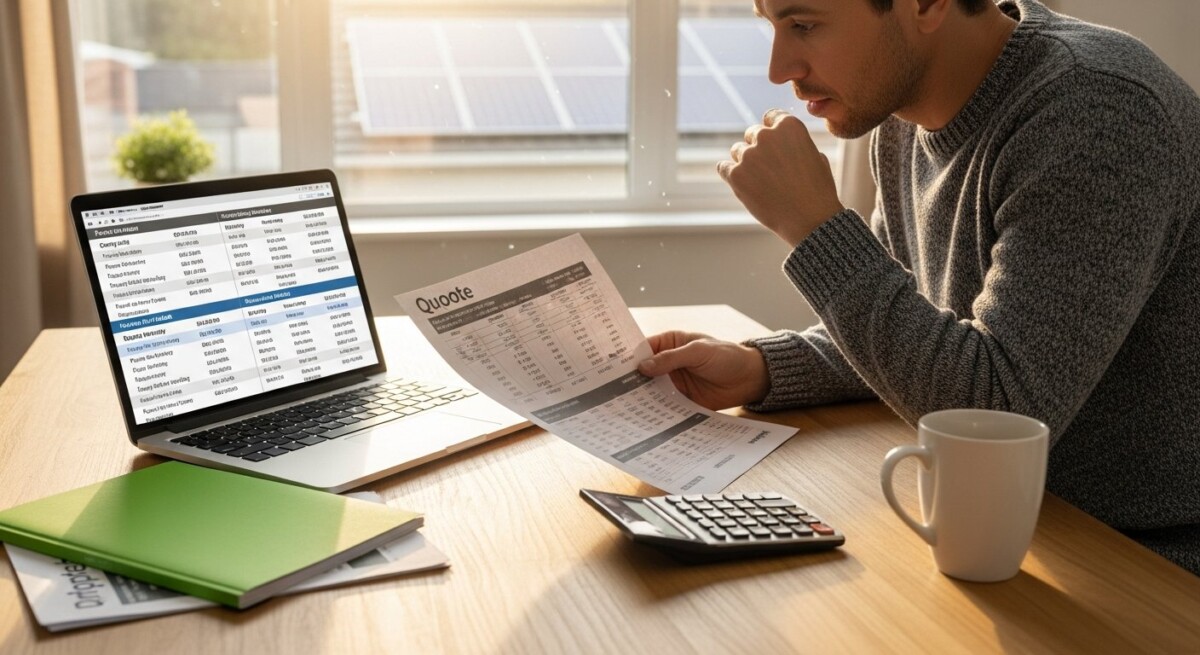
You open your monthly electricity bill and feel a familiar sting. Rates keep climbing, and you wonder if there is a way to take control. Many homeowners in your position start searching for home solar quotes to see if solar panels can reduce those rising costs. The idea of generating your own power and becoming less dependent on the grid is appealing, and comparing quotes is the first step toward making that idea a reality.
Understanding Home Solar Quotes
A home solar quote is a detailed estimate from an installation company that outlines the cost, equipment, and expected energy production for a solar panel system on your property. Think of it as a personalized proposal that shows you exactly what you would pay and what you would save. Each quote typically includes the number of panels, the type of inverter, estimated annual energy generation, and the total price after any incentives.
More homeowners are requesting these quotes because solar technology has become more affordable and accessible. In our guide on Free Solar Quotes: Your First Step to Lower Energy Bills, we explain how comparing multiple proposals helps you avoid overpaying and find a system that fits your budget. The process is straightforward: you provide some basic information about your home and energy usage, and installers send you customized options.
What Makes a Good Solar Quote?
A reliable quote breaks down the costs of equipment, labor, permits, and any additional fees. It also includes a clear estimate of how much electricity the system will produce each year based on your roof’s orientation and local sunlight. Look for quotes that specify panel wattage, inverter type, and warranty terms so you can compare apples to apples.
Why Solar Energy Is Becoming More Popular
Electricity prices have risen steadily over the past decade, and many homeowners see solar as a way to lock in lower rates. By generating your own power, you reduce the amount you buy from the utility, which directly lowers your monthly bills. Over time, those savings can add up to tens of thousands of dollars.
Environmental concerns also drive interest. Solar panels produce clean energy without emitting carbon dioxide or other pollutants. For homeowners who want to reduce their carbon footprint, installing solar is one of the most impactful changes they can make.
Long-term savings are another powerful motivator. Most solar systems pay for themselves within 7 to 12 years, and panels often last 25 years or more. After the break-even point, the electricity you generate is essentially free, providing decades of financial benefits.
If you are considering solar power for your home, comparing installation quotes can help you understand your options. Request a free solar quote or call to learn more.
Common Questions Homeowners Have About Solar
Before investing in solar, most people want clear answers about cost, suitability, and performance. These concerns are normal, and reputable installers address them in their quotes and consultations. Understanding the basics helps you feel confident when comparing proposals.
- How much does a solar system cost? The average residential system ranges from $10,000 to $20,000 after federal tax credits, but prices vary based on system size and equipment quality.
- Is my roof suitable for solar panels? Installers evaluate roof age, material, angle, and shading to determine if your roof can support panels effectively.
- How much will I save on electricity bills? Savings depend on your local utility rates, system size, and how much sunlight your roof receives, but many homeowners cut their bills by 50 to 90 percent.
- What happens during cloudy or rainy days? Panels still produce electricity in diffuse light, just at reduced output. Your system connects to the grid so you can draw power when needed.
- Are there government incentives available? Yes, the federal solar tax credit currently offers a 30 percent deduction on installation costs, and many states and utilities offer additional rebates.
- How long does installation take? Most residential installations are completed in one to three days after permits are approved, though the entire process from quote to activation may take several weeks.
How Solar Panel Installation Works
Installing solar panels is a multi-step process that begins with a professional assessment of your home. A qualified installer evaluates your energy usage, roof condition, and sunlight exposure to design a system that meets your needs. They also handle all the paperwork for permits and utility approvals.
Once the design is finalized, the installation team mounts the panels on your roof, connects the inverter and wiring, and sets up the monitoring system. After a final inspection by local authorities or the utility company, the system is turned on and begins generating electricity.
- Home energy assessment , Review your past utility bills and analyze your energy consumption patterns.
- System design , Determine the optimal panel layout, inverter type, and system size for your roof and budget.
- Permits and approvals , Submit applications to your local building department and utility company for interconnection.
- Panel installation , Mount the solar panels, racking, and electrical components on your roof.
- System activation , Pass final inspections, receive permission to operate from your utility, and start generating power.
Speaking with experienced installers can help you determine the best solar solution for your home. Compare solar quotes here or call to explore available options.
Signs Your Home May Be Ideal for Solar
Not every home is perfectly suited for solar, but many properties are excellent candidates. Installers look for specific conditions that maximize energy production and financial returns. If your home meets several of these criteria, you are likely a strong candidate for solar panels.
- Strong sunlight exposure , A south-facing roof with little to no shade from trees or buildings receives the most sunlight throughout the day.
- High electricity bills , Homes that pay $100 or more per month often see substantial savings after going solar.
- Suitable roof space , An unobstructed area of at least 300 square feet can accommodate a typical 6-kilowatt system.
- Long-term home ownership plans , Since solar systems pay off over many years, staying in your home for at least 5 to 10 years maximizes your return on investment.
- Good roof condition , A roof that is less than 10 years old or in good repair avoids the need for early removal and reinstallation.
- Favorable local net metering policies , Some utilities credit you for excess power sent back to the grid, increasing your savings.
What Affects Solar Installation Costs
The price of a solar system varies depending on several key factors. Understanding these elements helps you evaluate quotes and choose the right system for your home. A larger system that covers more of your energy needs will cost more upfront but also deliver greater long-term savings.
Equipment quality also plays a role. High-efficiency panels and premium inverters cost more but often produce more electricity and come with longer warranties. Installation complexity, such as a steep roof or unique electrical setup, can increase labor costs.
Local incentives and tax credits significantly reduce the net price. The federal solar tax credit alone deducts 30 percent of the total installation cost from your federal taxes. Many states and utilities offer additional rebates, performance payments, or property tax exemptions that lower your out-of-pocket expense even further.
The cost of solar installation varies depending on your home and energy needs. Request personalized solar quotes or call to see what options are available.
Tips for Choosing a Reliable Solar Installer
Selecting the right installer is just as important as choosing the right equipment. A reputable company ensures your system is designed correctly, installed safely, and supported with strong warranties. Taking time to research installers can save you from costly mistakes down the road.
Start by reviewing each company’s experience and credentials. Look for installers who are licensed, insured, and certified by organizations like the North American Board of Certified Energy Practitioners. Checking customer reviews on independent platforms gives you insight into their service quality and reliability.
- Review installer experience , Ask how long they have been in business and how many residential systems they have installed.
- Check warranties , Ensure the quote includes a workmanship warranty (typically 10 years) and equipment warranties from the manufacturer.
- Read customer reviews , Look for consistent positive feedback about communication, timeliness, and post-installation support.
- Compare multiple quotes , Getting at least three quotes allows you to spot outliers and choose a fair price.
- Ask about monitoring , Confirm that your system includes monitoring software so you can track energy production and detect issues early.
Long-Term Benefits of Installing Solar Panels
Investing in solar panels delivers benefits that extend far beyond the first year. The most immediate advantage is lower electricity bills, which can drop by hundreds of dollars annually. Over the 25-year lifespan of a typical system, total savings often exceed $20,000 to $40,000 depending on local utility rates.
Solar panels also increase your home’s resale value. Studies show that homes with solar systems sell for a premium compared to similar homes without them. Buyers are attracted to the promise of reduced energy costs and the environmental benefits of renewable energy.
Energy independence is another significant benefit. By generating your own electricity, you protect yourself from future rate hikes and grid outages when paired with battery storage. You also reduce your household’s carbon footprint by thousands of pounds each year, contributing to a cleaner environment for future generations.
Frequently Asked Questions
How do I get home solar quotes?
You can request quotes online through platforms like NewSolarQuote or by contacting local installers directly. Provide your address, roof details, and recent electricity bills so companies can tailor their proposals. Most companies offer free, no-obligation estimates.
What should I look for in a solar quote?
Compare the total cost, equipment specifications, estimated annual production, and warranty terms. A detailed quote should also list any fees for permits, inspections, or removal if you need roof repairs later. Avoid quotes that are vague or missing key information.
How much can I save on electricity with solar panels?
Savings depend on your current electricity usage, local utility rates, and system size. Many homeowners reduce their bills by 50 to 90 percent, and some reach net-zero electricity costs if their system produces enough power to cover all consumption.
Are there government incentives for solar panels?
Yes, the federal solar investment tax credit (ITC) allows you to deduct 30 percent of your installation cost from federal taxes. Many states, counties, and utilities offer additional rebates, tax exemptions, or performance-based incentives. Check the Database of State Incentives for Renewables & Efficiency (DSIRE) for programs in your area.
How long does it take for solar panels to pay off?
The payback period typically ranges from 7 to 12 years, depending on your system cost, available incentives, and energy savings. After that point, the electricity your panels generate is essentially free for the remainder of their 25- to 30-year lifespan.
Do solar panels work during a power outage?
Standard grid-tied solar systems shut off during outages to protect utility workers. If you want backup power, you need a battery storage system like the Tesla Powerwall or LG Chem, which stores excess energy for use when the grid goes down.
Will solar panels damage my roof?
Professional installers use mounting systems that protect your roof from leaks and damage. Most companies offer a workmanship warranty that covers any roof issues caused by the installation. It is important to have your roof inspected beforehand to ensure it is in good condition.
What maintenance do solar panels require?
Solar panels require very little maintenance. Rain usually washes away dirt and debris, though in dry climates you may need to hose them off occasionally. Monitoring software alerts you to any performance drops, and most issues are covered by the system warranty.
Switching to solar energy is a smart financial and environmental decision for many homeowners. By comparing home solar quotes from multiple installers, you can find a system that fits your budget and delivers reliable savings for decades. Take the first step today and explore your options to gain energy independence and lower your electricity costs.