How to Compare Solar System Proposals for Maximum Savings
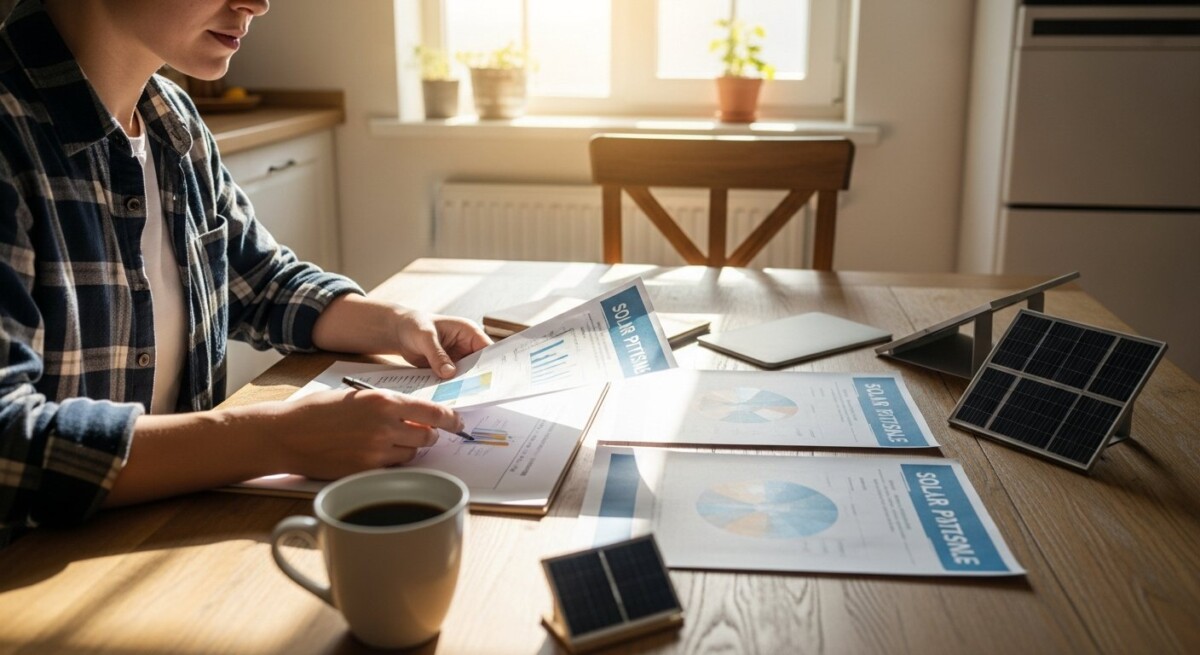
You open your monthly electricity bill and feel a familiar sting. Rates keep climbing, and you wonder if there is a way to finally take control. That is why so many homeowners start searching for how to compare solar system proposals , to reduce energy bills and gain independence from the power grid. By understanding the key differences between quotes, you can choose a system that delivers real savings for years to come.
Understanding how to compare solar system proposals
When you receive multiple solar quotes, each one looks different. Some focus on equipment brands, others highlight monthly payments, and a few emphasize long-term production. Learning how to compare solar system proposals means looking past the flashy numbers and focusing on what matters most for your home.
A solar proposal typically outlines the system size, panel type, inverter choice, estimated annual production, and total cost. More importantly, it shows how those factors translate into actual savings on your electricity bills. By comparing these elements side by side, you avoid overpaying for oversized systems or missing out on better financing terms.
Many homeowners feel overwhelmed by technical jargon, but you do not need to be a solar expert. The goal is to identify which proposal offers the best balance of upfront price, long-term performance, and warranty protection. That is why taking the time to compare solar installation quotes is one of the smartest steps you can take.
Why Solar Energy Is Becoming More Popular
Electricity prices have risen steadily across the United States, and many homeowners expect that trend to continue. Solar power offers a way to lock in lower energy costs and protect your household from future rate hikes. The financial case for going solar grows stronger every year.
Beyond saving money, more people are choosing solar to reduce their environmental impact. Generating clean energy from sunlight cuts carbon emissions and reduces reliance on fossil fuels. For many families, this combination of financial and environmental benefits makes solar an easy decision.
Government incentives also play a major role. The federal solar tax credit allows you to deduct a significant percentage of your installation costs from your taxes. Many states and utilities offer additional rebates or net metering programs that further improve your return on investment. When you compare solar installation quotes, be sure to ask how each installer accounts for these incentives.
If you are considering solar power for your home, comparing installation quotes can help you understand your options. Request a free solar quote or call to learn more.
Common Questions Homeowners Have About Solar
Most homeowners start their solar journey with a few basic questions. How much does a system cost? Will it work on my roof? How long will it take to pay off? These are normal concerns, and reputable installers are happy to answer them clearly.
The cost of solar has dropped dramatically over the past decade, making it more accessible than ever. A typical residential system can range from $15,000 to $25,000 before incentives, but federal and state programs can reduce that by 30% or more. Financing options, including loans and leases, also make it easier to go solar with little or no money down.
Roof suitability depends on factors like age, material, shading, and orientation. A professional installer will conduct a site visit to evaluate your roof and ensure it can support the panels. If your roof needs repairs or replacement, many installers can coordinate that work as part of the project.
- How much will I save on my electricity bills each month?
- What happens if my roof needs repairs after the panels are installed?
- How long does the installation process typically take?
- What kind of warranty covers the panels and the workmanship?
- Will my homeowners insurance cover the solar system?
- How does solar affect my home’s resale value?
How Solar Panel Installation Works
Understanding the installation process helps you feel more confident when you compare solar system proposals. Each step is designed to ensure your system performs safely and efficiently for decades.
First, the installer reviews your energy usage and roof characteristics to design a custom system. Then they handle all necessary permits and approvals from your local government and utility company. Finally, the physical installation takes one to three days, followed by inspection and grid connection.
- Home energy assessment , review past bills and evaluate your current electricity usage.
- System design , create a layout that maximizes sunlight exposure and fits your roof.
- Permits and approvals , submit paperwork to local authorities and your utility.
- Panel installation , mount the panels, connect the inverter, and run wiring.
- System activation , pass final inspection and turn on your solar system.
Speaking with experienced installers can help you determine the best solar solution for your home. Compare solar quotes here or call to explore available options.
Signs Your Home May Be Ideal for Solar
Not every home is equally suited for solar, but many are. Certain characteristics make it easier to generate enough electricity to offset your bills. If your home meets several of these indicators, solar is likely a strong investment.
A roof that faces south, west, or east with good sun exposure is ideal. Minimal shading from trees or nearby buildings also helps. If you have a large, unshaded roof and high electricity bills, you are an excellent candidate for solar.
- Your roof receives direct sunlight for most of the day.
- Your monthly electricity bills are consistently high.
- You have enough unobstructed roof space for the system you need.
- You plan to stay in your home for at least five to seven years.
- Your roof is in good condition or recently replaced.
- Your local utility offers net metering or other solar incentives.
What Affects Solar Installation Costs
Several factors influence the total price of a solar system. Understanding these variables helps you compare solar system proposals more effectively and avoid paying too much for features you do not need.
The size of your system , measured in kilowatts (kW) , is the biggest cost driver. Larger systems produce more electricity but also cost more upfront. Equipment quality also matters: premium panels and inverters cost more but often come with better warranties and higher efficiency. In our guide on how to compare solar quotes and save with trusted solar provider marketplaces, we explain how to evaluate these trade-offs.
Installation complexity , such as roof angle, wiring distance, or the need for electrical panel upgrades , can add to the price. Local incentives and rebates can reduce your net cost significantly, so always ask installers to show you the final price after all applicable programs.
The cost of solar installation varies depending on your home and energy needs. Request personalized solar quotes or call to see what options are available.
Tips for Choosing a Reliable Solar Installer
Finding a trustworthy installer is just as important as choosing the right equipment. A quality installation ensures your system performs as expected and lasts for decades. Taking a few extra steps during your search can save you from costly mistakes.
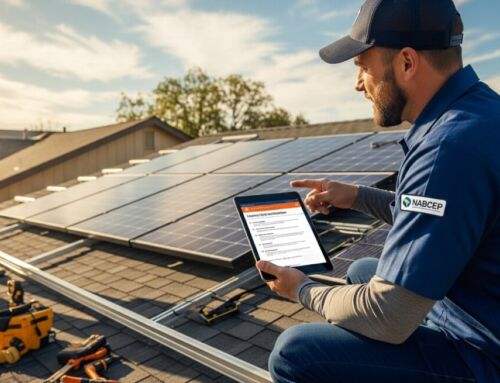
Start by asking for references and reading online reviews from past customers. Look for installers who are licensed, insured, and certified by organizations like the North American Board of Certified Energy Practitioners (NABCEP). A good installer will also offer strong workmanship and equipment warranties.
- Review the installer’s years of experience and number of completed projects.
- Check that they offer comprehensive warranties on both equipment and labor.
- Read customer reviews on platforms like Google, Yelp, and the Better Business Bureau.
- Compare at least three quotes to see how pricing and proposals differ.
- Ask about the brands of panels and inverters they use and why they recommend them.
- Confirm that they handle all permits and utility approvals as part of the service.
Long-Term Benefits of Installing Solar Panels
Once your system is up and running, the benefits start adding up immediately. Your monthly electricity bills drop, sometimes to near zero. Over time, those savings accumulate into thousands of dollars that stay in your pocket instead of going to the utility company.
Solar panels also increase your home’s resale value. Studies show that homes with solar systems sell for more and spend less time on the market. Buyers recognize the value of lower energy costs and energy independence, making your property more attractive.
On a broader scale, every solar home reduces the demand for fossil fuels and cuts greenhouse gas emissions. By generating your own clean electricity, you contribute to a healthier environment and a more resilient energy grid. The peace of mind that comes from energy independence is hard to put a price on.
How much can I expect to save on my electricity bills with solar panels?
Savings depend on your system size, local electricity rates, and how much sun your roof receives. Most homeowners reduce their monthly bills by 50% to 90%, and some eliminate them entirely. Your installer can provide a personalized estimate based on your specific situation.
What is the average payback period for a residential solar system?
The typical payback period ranges from six to ten years, depending on incentives and energy costs. After that point, the electricity your panels generate is essentially free. With a system lifespan of 25 to 30 years, you enjoy many years of pure savings.
Do solar panels work on cloudy days or in colder climates?
Yes, solar panels still generate electricity on cloudy days, though at a reduced rate. Cold temperatures actually improve panel efficiency. Modern systems are designed to produce meaningful power even in less-than-ideal conditions.
What happens if I sell my home before the solar system is paid off?
If you own the panels, you can include the remaining loan balance in the home sale or negotiate a higher price. Leased systems can be transferred to the new homeowner if they agree. Many buyers see solar as a valuable upgrade that adds to the home’s appeal.
How long do solar panels last, and what maintenance do they require?
Most panels come with a 25-year performance warranty and continue producing power well beyond that. Maintenance is minimal , occasional cleaning and periodic inspections are usually enough. Many installers offer monitoring services that alert you to any issues.
Are there financing options available for solar installation?
Yes, you can purchase your system outright, take out a solar loan, or enter a lease or power purchase agreement (PPA). Each option has different benefits and tax implications. A good installer will explain all the choices so you can pick what fits your budget.
Do I need to replace my roof before installing solar panels?
It is best to install solar on a roof that has at least 10 to 15 years of life remaining. If your roof is older or damaged, replacing it before installation avoids the cost of removing and reinstalling the panels later. Many installers can coordinate the roof work for you.
Will solar panels increase my property taxes?
In many states, solar panel installations are exempt from property tax assessments. That means your home value can increase without raising your tax bill. Check with your local tax authority or installer to confirm the rules in your area.
Switching to solar energy is one of the most practical steps you can take to lower your electricity bills, increase your home’s value, and reduce your environmental footprint. By learning how to compare solar system proposals and gathering multiple quotes, you position yourself to make an informed and confident decision. Start comparing your options today and take the first step toward energy independence.