Solar Battery Backup: Cut Costs and Gain Energy Freedom
Your electricity bill keeps climbing, and you are tired of feeling powerless when the grid goes down. You are not alone. Many homeowners are searching for what is solar battery backup system to reduce energy costs and gain independence from the utility company. A solar battery backup system stores extra energy from your solar panels, so you can use it at night or during a blackout. Understanding how this technology works is the first step toward saving money and protecting your home.
Understanding what is solar battery backup system
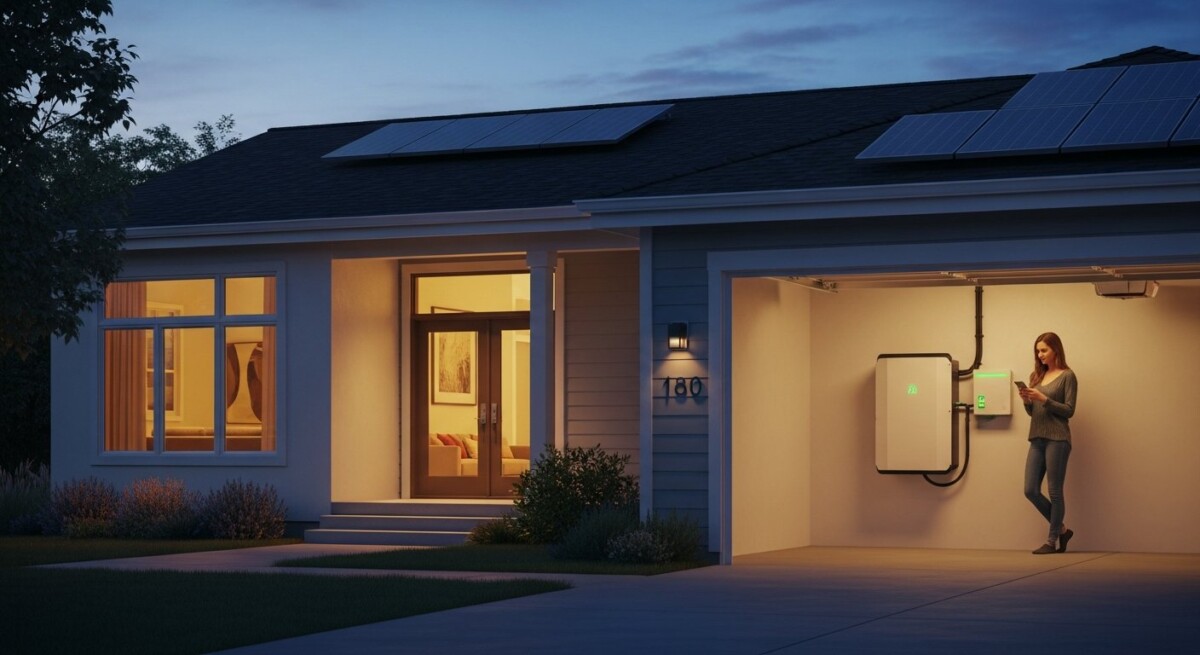
A solar battery backup system is exactly what it sounds like: a battery that stores electricity generated by your solar panels. During the day, your panels produce more power than your home needs. Instead of sending that extra energy back to the grid for a small credit, a battery captures it for later use. At night or during a power outage, the battery discharges, keeping your lights on and your refrigerator running.
Think of it as a rechargeable power bank for your entire house. The system includes an inverter that converts the stored direct current (DC) electricity into alternating current (AC) that your appliances can use. More homeowners are considering solar batteries because utility rates keep rising, and grid reliability is becoming less certain. In our guide on Energy Storage & Backup Systems: Solar Solutions, we explain how pairing batteries with panels maximizes your savings.
How a battery backup system works
Solar panels generate electricity when sunlight hits them. That electricity flows to an inverter, which powers your home. Any excess energy charges the battery. When the sun goes down, the battery automatically takes over, supplying your home with stored power. If the grid fails, a special switch isolates your home from the grid, so the battery can safely energize your circuits without endangering utility workers.
Why Solar Energy Is Becoming More Popular
Rising electricity prices are the number one reason homeowners are switching to solar. Every year, utility rates increase, making grid power more expensive. Solar panels give you control over a portion of your energy costs, and adding a battery locks in even more savings by letting you avoid peak-time rates. Environmental concerns also play a big role. Solar energy produces no carbon emissions, reducing your household’s carbon footprint significantly.
Long-term savings are another major draw. While the upfront cost of solar panels and a battery can seem high, federal and state incentives can cut that cost by 30 percent or more. Over 25 years, most homeowners save tens of thousands of dollars on electricity. Solar also increases your home’s resale value. Buyers are willing to pay a premium for a home with lower utility bills and energy independence.
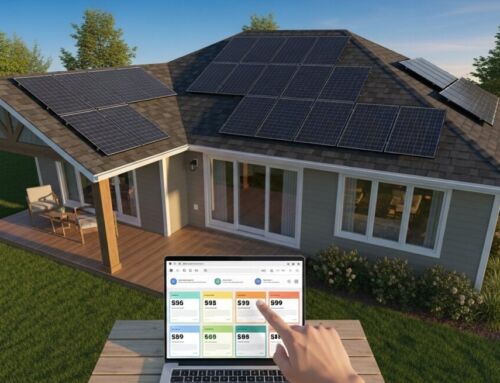
If you are considering solar power for your home, comparing installation quotes can help you understand your options. Request a free solar quote or call to learn more.
Common Questions Homeowners Have About Solar
Many homeowners worry about the initial cost of solar panels and batteries. The good news is that prices have dropped dramatically over the past decade, and financing options like solar loans and leases make it affordable for most households. Another common concern is roof suitability. Your solar installer will assess your roof’s age, material, and sun exposure to determine if it can support panels.
System performance is also a frequent question. Will your panels still work on cloudy days? Yes, they will produce less energy, but they still generate power. Batteries ensure you have stored energy for those low-sun days. You might also wonder about maintenance. Solar panels require little upkeep,just occasional cleaning and an annual inspection by a professional.
- How long do solar panels last?
- Will solar work during a power outage?
- Do I need a battery if I have net metering?
- How much roof space do I need?
- What happens if my panels produce more than I use?
- Are there tax credits for solar batteries?
How Solar Panel Installation Works
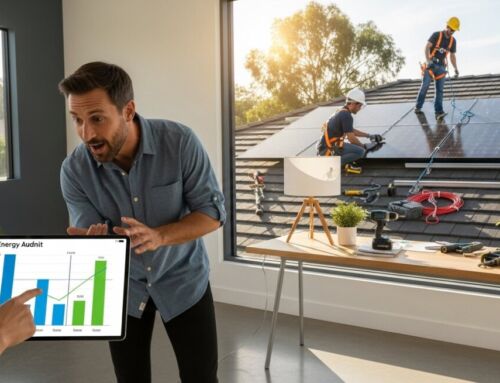
Installing solar panels is a straightforward process when you work with a professional installer. They start by evaluating your home’s energy usage and roof characteristics. Then they design a system that meets your needs and complies with local building codes. The actual installation usually takes one to three days, depending on the size of the system.
After installation, your utility company and local government must approve the system before you can turn it on. This approval process can take a few weeks, but your installer handles all the paperwork. Once activated, you start saving on electricity from day one. Adding a battery may require extra wiring, but a qualified electrician can integrate it seamlessly.
- Home energy assessment to measure your usage and roof condition
- System design tailored to your home’s layout and sunlight exposure
- Permits and approvals from your city and utility company
- Panel installation on your roof or ground mount
- Battery installation and connection to your electrical panel
- System activation and final inspection
Speaking with experienced installers can help you determine the best solar solution for your home. Compare solar quotes here or call to explore available options.
Signs Your Home May Be Ideal for Solar
Not every home is a perfect candidate for solar panels, but most are. The most important factor is strong sunlight exposure. If your roof faces south or west and gets direct sun for most of the day, you will generate plenty of electricity. High electricity bills are another clear sign. The more you pay the utility company, the more you will save by switching to solar.
Suitable roof space is also crucial. A typical solar system needs about 400 to 700 square feet of unshaded roof area. If you plan to stay in your home for at least five to ten years, solar makes financial sense because the savings accumulate over time. Homeowners with older roofs may want to replace them before installing panels to avoid removal costs later.
- Your roof gets at least five hours of direct sunlight per day
- Your monthly electricity bill exceeds $100
- You have 400 square feet or more of usable roof space
- You plan to stay in your home for at least five years
- Your roof is in good condition or recently replaced
- Your state offers strong solar incentives or net metering
What Affects Solar Installation Costs
The cost of a solar system depends on several factors. System size is the biggest variable. A larger system with more panels and a bigger battery will cost more upfront but save more over time. Equipment quality also matters. Premium panels and batteries are more efficient and come with longer warranties, making them a better long-term investment.
Installation complexity can drive up costs. If your roof is steep, has multiple angles, or requires structural reinforcement, the labor will cost more. Local incentives and rebates can significantly reduce your out-of-pocket expense. The federal solar tax credit currently covers 30 percent of the total system cost, and many states offer additional rebates or performance-based incentives. Getting multiple quotes ensures you find the best price for your specific situation.
The cost of solar installation varies depending on your home and energy needs. Request personalized solar quotes or call to see what options are available.
Tips for Choosing a Reliable Solar Installer
Selecting the right installer is just as important as choosing the right equipment. A reputable company will help you navigate incentives, design an efficient system, and handle all permits. Start by checking the installer’s experience and certifications. Look for companies with NABCEP (North American Board of Certified Energy Practitioners) certification, which indicates a high level of expertise.
Warranties are another critical factor. A good installer offers a workmanship warranty of at least five years, and the solar panels should come with a 25-year performance warranty. Reading customer reviews on platforms like Google and the Better Business Bureau gives you insight into the company’s reliability and customer service. Most importantly, compare at least three quotes before making a decision. This ensures you get competitive pricing and a system that matches your needs.
- Verify the installer’s license and insurance coverage
- Ask about panel and battery warranty terms
- Read recent customer reviews and check complaint history
- Request a detailed written quote with all costs itemized
- Compare financing options, including loans and leases
- Ask for references from past installations in your area
Long-Term Benefits of Installing Solar Panels
Installing solar panels with a battery backup system delivers lasting financial rewards. Your monthly electricity bills will drop significantly, and in many cases, you can eliminate them entirely. Over 25 years, the average homeowner saves between $20,000 and $50,000, depending on local utility rates and incentives. Solar panels also increase your home’s value by about 4 percent, according to multiple real estate studies.
Beyond savings, solar energy reduces your environmental impact. A typical residential system offsets three to four tons of carbon dioxide each year, equivalent to planting 100 trees annually. Energy independence is another major benefit. With a battery, you are protected from rising utility rates and grid outages. You gain peace of mind knowing your home can stay powered during emergencies, from summer storms to winter blackouts.
Frequently Asked Questions
What is a solar battery backup system?
A solar battery backup system stores excess electricity generated by your solar panels. You can use that stored energy at night, during cloudy days, or when the power grid goes down. It gives you greater energy independence and helps you avoid paying peak electricity rates.
How much does a solar battery backup system cost?
The cost varies based on battery capacity and brand. On average, a solar battery costs between $8,000 and $15,000 installed, before incentives. Federal tax credits and state rebates can reduce that cost by 30 percent or more, making it more affordable for most homeowners.
Can I add a battery to my existing solar panels?
Yes, you can add a battery to an existing solar system. Most modern batteries are designed to work with standard solar inverters. An experienced installer can assess your current system and recommend a compatible battery that maximizes your savings.
How long does a solar battery last?
Most solar batteries come with a 10-year warranty and last between 10 and 15 years in real-world use. Battery capacity gradually decreases over time, but a quality battery will still hold 70 to 80 percent of its original capacity after a decade. You may need to replace the battery once during the life of your solar panels.
Will a solar battery power my whole house?
It depends on the battery’s size and your home’s energy consumption. A single battery can power essential circuits like lights, refrigerator, and internet router for several hours. To power your entire home, you may need multiple batteries. Your installer can design a system that meets your specific backup needs.
Do solar batteries work during a blackout?
Yes, that is one of their main advantages. When the grid goes down, a solar battery automatically disconnects your home from the grid and powers your selected circuits. This feature, called islanding, keeps your home running safely while your neighbors are in the dark.
Are there government incentives for solar batteries?
Yes, the federal solar tax credit covers 30 percent of the cost of a solar battery if it is charged by solar panels. Many states offer additional rebates or performance-based incentives. Your installer can help you identify all available incentives in your area.
How long does it take to install a solar battery system?
Installing a solar battery usually takes one to two days. If you are adding a battery to an existing solar system, the process is quicker. For a full solar plus battery installation, expect the entire project to take two to five days, not including permit approvals.
Solar energy is a smart investment for your home and your future. A solar battery backup system helps you cut electricity bills, protect against outages, and reduce your carbon footprint. The best way to start is by comparing quotes from trusted installers who can tailor a system to your home and budget. Take the first step today and explore your solar options.