Solar Battery Cost Explained: Save More on Energy Bills
You open your monthly electricity bill and notice the cost has crept up again. It feels like every year, rates go higher, and you wonder if there is a better way to power your home. That is why so many homeowners are now searching for solar battery cost explained , they want to reduce their energy bills and become less dependent on the grid.
Solar energy offers a practical path to lower monthly expenses and greater control over your power supply. Understanding what you pay upfront and what you save over time can make the decision much clearer. Let’s break down the numbers in simple, honest terms.
Understanding Solar Battery Cost Explained
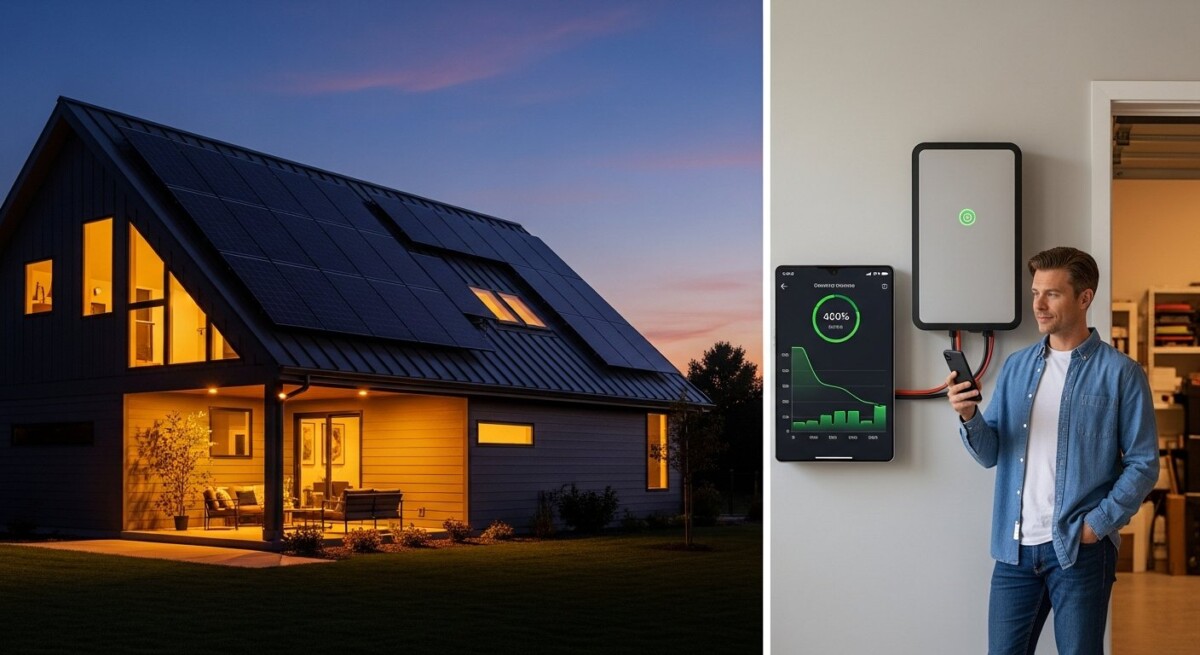
A solar battery stores extra electricity your panels produce during the day so you can use it at night or during a power outage. Think of it as a backup tank for your home’s energy. The solar battery cost explained in simple terms means looking at the price of the battery itself, installation, and any additional equipment needed to connect it to your system.
Most homeowners see the biggest financial benefit when they pair a battery with net metering or time-of-use rates. Instead of selling excess power back to the utility for a low price, you store it and use it when electricity costs the most. This strategy can shave hundreds off your annual electric bill.
Batteries typically cost between $7,000 and $15,000 installed, depending on capacity and brand. While that sounds like a lot, federal tax credits and state rebates can reduce the price by 30% or more. Over the 10-to-15-year lifespan of a battery, the savings on your electricity bills often offset the initial investment.
Why Solar Energy Is Becoming More Popular
Rising electricity prices are the number one reason homeowners switch to solar. In many areas, utility rates have doubled over the past decade, and there is no sign of them slowing down. Solar panels give you a fixed energy cost for decades, protecting you from future rate hikes.
Environmental concerns also play a big role. Generating your own clean energy cuts your carbon footprint and helps reduce reliance on fossil fuels. Many homeowners feel good knowing they are contributing to a healthier planet while saving money at the same time.
Long-term savings are the real draw. A typical solar system pays for itself in 6 to 10 years and continues producing free electricity for another 15 to 20 years. That is tens of thousands of dollars in savings over the life of the system.
If you are considering solar power for your home, comparing installation quotes can help you understand your options. Request a free solar quote or call (855) 780-1234 to learn more.
Common Questions Homeowners Have About Solar
Most homeowners start with the same question: “How much will this cost?” The answer depends on your home size, energy use, and local incentives. A professional installer can give you a custom estimate after reviewing your roof and electricity bills.
Another common concern is whether your roof is suitable. Solar panels work best on roofs that face south or west and get at least five hours of direct sunlight daily. A good installer will check for shading, roof age, and structural strength before recommending a system.
System performance is also a frequent worry. Modern panels are highly reliable and come with 25-year warranties. They produce power even on cloudy days, though output is lower. Most systems include monitoring software so you can track your energy production in real time.
- How long do solar panels last?
- Will solar work during a power outage?
- Do I need a battery with my panels?
- What happens if I move?
- How much maintenance is required?
How Solar Panel Installation Works
The process starts with a home energy assessment. An installer reviews your past electricity bills, measures your roof, and checks for any obstacles like vents or chimneys. This step ensures the system is sized correctly for your needs.
Next comes system design and permitting. The installer creates a layout that maximizes sunlight exposure and submits plans to your local building department. Permits usually take one to three weeks to approve.
Finally, the installation crew mounts the panels, connects the wiring, and sets up the inverter. The whole job typically takes one to three days. After a final inspection, the system is turned on and starts generating power immediately.
- Home energy assessment
- System design
- Permits and approvals
- Panel installation
- System activation
Speaking with experienced installers can help you determine the best solar solution for your home. Compare solar quotes here or call (855) 780-1234 to explore available options.
Signs Your Home May Be Ideal for Solar
Homes with strong, unobstructed sunlight are the best candidates for solar. If your roof faces south or west and gets direct sun for most of the day, you will produce more electricity and save more money. Even east- or west-facing roofs can work well with modern panel efficiency.
High electricity bills are another clear sign. If you pay more than $100 per month on average, solar can likely reduce that amount significantly. The more you spend on power, the faster your system pays for itself.
Having enough roof space matters too. A typical home needs about 300 to 500 square feet of clear roof area for a 6 to 10 kilowatt system. If you plan to stay in your home for at least five more years, the financial return becomes even more attractive.
- Strong sunlight exposure
- High electricity bills
- Suitable roof space
- Long-term home ownership plans
- Good roof condition (less than 10 years old)
- No heavy shading from trees or buildings
What Affects Solar Installation Costs
System size is the biggest factor. A larger system with more panels costs more upfront but also produces more electricity and saves more money over time. Most homeowners choose a system that covers 80 to 100% of their annual usage.
Equipment quality also matters. Premium panels and inverters cost more but offer higher efficiency and longer warranties. Budget-friendly options still work well but may degrade faster or have shorter coverage. A good installer will explain the trade-offs so you can choose what fits your budget and goals.
Installation complexity can increase the price. Steep roofs, multiple stories, or unusual roof materials require extra labor and safety equipment. Local incentives and rebates vary widely, so checking what is available in your area can lower the net cost substantially.
The cost of solar installation varies depending on your home and energy needs. Request personalized solar quotes or call (855) 780-1234 to see what options are available.
Tips for Choosing a Reliable Solar Installer
Start by reviewing installer experience. Look for companies that have been in business for at least five years and have completed hundreds of installations. Experienced installers know local permitting rules and utility requirements, which saves you time and headaches.
Check warranties carefully. A good installer offers a workmanship warranty of at least 10 years and uses equipment with 25-year performance guarantees. Read customer reviews on third-party sites to see how the company handles service calls and support.
Always compare multiple quotes. Prices and equipment options vary widely between installers, even for similar systems. Getting three to five quotes helps you spot a fair deal and avoid paying too much for an average installation.
- Reviewing installer experience
- Checking warranties
- Reading customer reviews
- Comparing multiple quotes
- Confirming licensing and insurance
- Asking about financing options
Long-Term Benefits of Installing Solar Panels
Lower electricity bills are the most obvious benefit. Once your system is paid off, your only cost is a small maintenance fee. Many homeowners see their monthly bill drop by 50 to 90%, depending on system size and local rates.
Home value typically increases with solar panels. Studies show that homes with owned solar systems sell for a premium compared to similar homes without solar. Buyers recognize the long-term savings and are willing to pay more.
Energy independence is another major advantage. With a solar battery backup system, you can keep your lights on and refrigerator running during grid outages. That peace of mind is hard to put a price on, especially in areas prone to storms or blackouts. Plus, generating your own clean energy reduces greenhouse gas emissions and supports a healthier environment.
How much does a solar battery system cost?
A complete solar battery system typically costs between $12,000 and $20,000 before incentives. This includes the panels, inverter, battery, and installation. Federal tax credits can reduce the price by 30%, and some states offer additional rebates that bring the net cost down further.
Do solar batteries work during a power outage?
Yes, if the system is designed with backup capability. Standard grid-tied solar systems shut off during an outage for safety. A battery with islanding mode automatically disconnects from the grid and powers your home until utility service returns.
How long do solar batteries last?
Most lithium-ion solar batteries last 10 to 15 years. Some manufacturers offer warranties that guarantee a certain capacity after 10 years. Battery lifespan depends on how often you cycle it and the temperature where it is installed.
Can I add a battery to my existing solar system?
Yes, in most cases. A qualified installer can retrofit a battery to an existing solar array. The process involves installing an inverter that works with both the panels and the battery. Some older systems may need minor upgrades to be compatible.
What is the difference between AC-coupled and DC-coupled batteries?
AC-coupled batteries connect to your home’s electrical panel and work with any solar system. DC-coupled batteries connect directly to the solar panels and are more efficient but require a compatible inverter. Your installer can recommend the best option for your setup.
Will solar increase my home insurance?
Adding solar panels may increase your homeowner’s insurance premium slightly, but the increase is usually modest. Many insurers cover panels under the dwelling policy. It is a good idea to notify your insurance company before installation.
How much maintenance do solar panels need?
Solar panels require very little maintenance. Rain typically washes away dust and dirt. You should inspect them once a year for debris or shading from new growth. Most systems come with monitoring software that alerts you if something goes wrong.
Understanding solar battery cost explained is the first step toward saving money and gaining energy independence. With federal incentives, falling equipment prices, and professional installers ready to help, now is a great time to explore your options. Compare quotes from multiple installers to find the system that fits your home and budget best.