Solar Energy Calculator: Estimate Your Home Savings Today
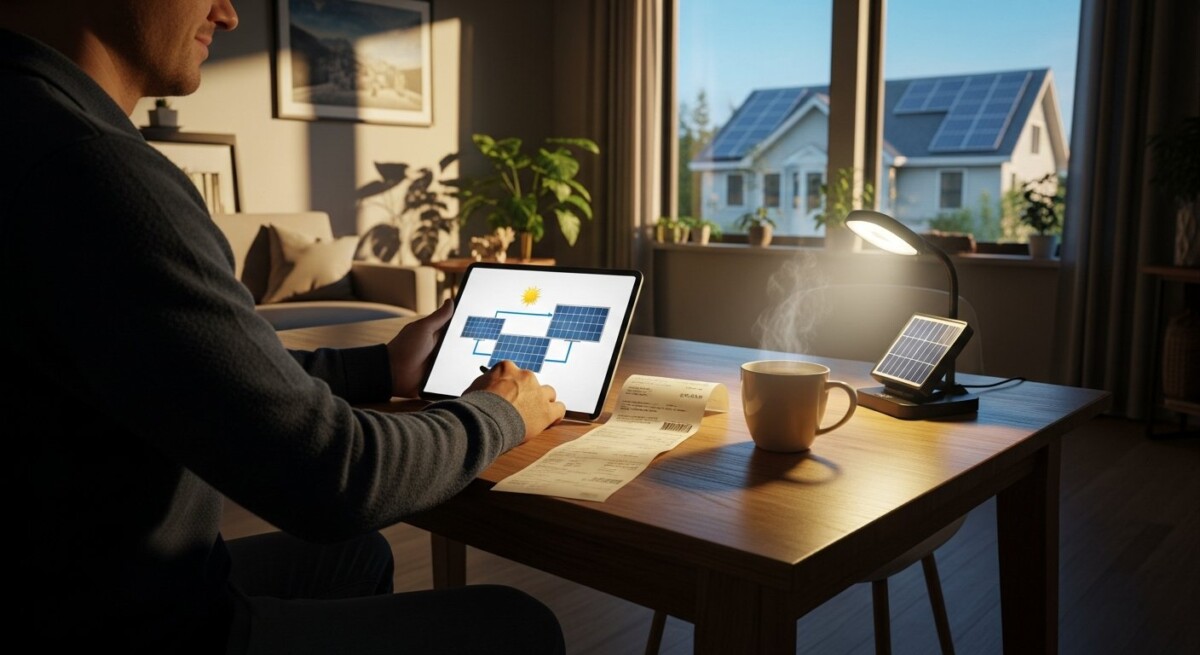
You open your monthly electric bill and feel a familiar pinch. Rates keep climbing, and you wonder if there is a smarter way to power your home. This is why many homeowners start searching for a solar energy calculator,a tool that can show you exactly how much you might save by switching to solar. By understanding your potential savings, you can take the first step toward reducing energy bills and becoming less dependent on the power grid.
Understanding Solar Energy Calculator
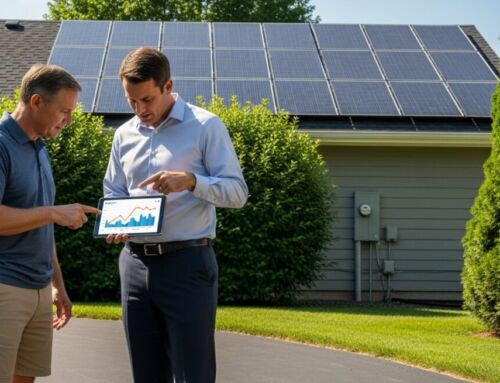
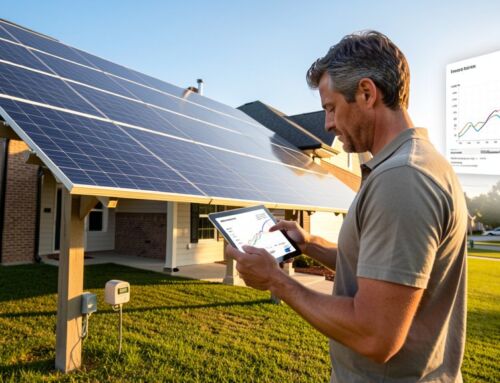
A solar energy calculator is an online tool that estimates how much electricity solar panels can produce on your roof and how much money you could save over time. It uses basic information such as your location, average electric bill, roof size, and sunlight exposure to generate a personalized savings estimate.
The calculator works by analyzing solar irradiance data in your area,essentially, how much sunlight hits your roof each day. It then factors in your current electricity rates, the size of a typical solar system for your home, and available incentives to show you a projected return on investment.
More homeowners are turning to these calculators because they provide a quick, no-obligation snapshot of solar potential. Instead of calling multiple installers just to get a ballpark figure, you can run a few numbers and see if solar makes financial sense for your household.
Why Solar Energy Is Becoming More Popular
Rising electricity prices are the number one reason homeowners explore solar power. Over the past decade, the average cost of electricity in the United States has increased steadily, and many utility companies project further hikes. Solar panels offer a way to lock in lower energy costs for decades.
Environmental concerns also drive interest. More families want to reduce their carbon footprint and contribute to a cleaner planet. Solar energy produces no greenhouse gas emissions during operation, making it one of the cleanest power sources available.
Long-term savings remain the most compelling benefit. While the upfront cost of solar installation can feel significant, most homeowners recover their investment within six to ten years through lower electric bills. After that, the electricity your panels produce is essentially free for the remaining life of the system, which typically spans 25 to 30 years.
If you are considering solar power for your home, comparing installation quotes can help you understand your options. Request a free solar quote or call (555) 123-4567 to learn more.
Common Questions Homeowners Have About Solar
Many homeowners worry about the upfront cost of solar panels. The good news is that federal tax credits, state rebates, and financing options can reduce the initial expense significantly. In some cases, you can install solar with zero money down and still start saving from month one.
Roof suitability is another frequent concern. Solar panels work best on roofs that face south or west with minimal shading from trees or nearby buildings. However, modern mounting systems and microinverters can make solar viable on many roof types, even those with complex angles or partial shade.
System performance anxiety is common, but solar technology is remarkably reliable. Most panels come with 25-year performance warranties, and inverters typically last 10 to 15 years. Regular maintenance is minimal,usually just keeping the panels clean and checking for debris.
- How much will solar panels actually save me each month?
- Can I install solar panels on a flat roof or an older roof?
- What happens to my solar system during a power outage?
- How long does the installation process take from start to finish?
- Will solar panels increase my home insurance premiums?
- Do I need to replace my roof before installing solar panels?
How Solar Panel Installation Works
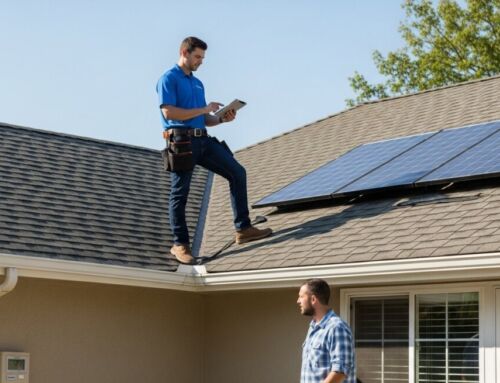
Professional solar installation follows a straightforward process designed to minimize disruption to your daily life. The first step is a home energy assessment, where an installer reviews your electricity bills, inspects your roof, and measures sunlight exposure. This assessment determines the ideal system size for your needs.
Once the system is designed, the installer handles all permits and approvals with your local utility company and municipality. This step ensures your system meets all building codes and safety standards. After approvals are secured, the physical installation typically takes one to three days.
- Home energy assessment and site evaluation
- Custom system design and equipment selection
- Permit applications and utility approvals
- Professional panel and inverter installation
- Final inspection and system activation
Speaking with experienced installers can help you determine the best solar solution for your home. Compare solar quotes here or call (555) 123-4567 to explore available options.
Signs Your Home May Be Ideal for Solar
Not every home is equally suited for solar panels, but many homes are better candidates than homeowners realize. If your roof receives strong direct sunlight for most of the day, especially between 9 a.m. and 3 p.m., you likely have good solar potential.
High electricity bills are another strong indicator. If your monthly electric costs exceed $100, solar panels can likely reduce or eliminate those expenses. Homes with electric heating, cooling, or electric vehicle charging tend to benefit even more because they use more power.
- Your roof faces south, west, or has a flat surface with good sun exposure
- You pay more than $100 per month for electricity
- Your roof has at least 300 square feet of unshaded space
- You plan to stay in your home for at least five more years
- Your current roof is less than 10 years old or in good condition
- Your state or utility offers strong solar incentives or net metering programs
What Affects Solar Installation Costs
The size of your solar system is the biggest cost driver. A larger system that covers 100% of your electricity needs costs more upfront but delivers greater long-term savings. A smaller system that offsets only part of your usage is less expensive but may not eliminate your electric bill.
Equipment quality also matters. Premium solar panels from top manufacturers cost more but often come with better efficiency and longer warranties. Similarly, microinverters or power optimizers add to the cost but can improve performance on partially shaded roofs. Your installer can help you find the right balance between price and quality.
Local incentives can dramatically lower your net cost. The federal Investment Tax Credit currently allows you to deduct 30% of your solar installation cost from your federal taxes. Many states and utilities offer additional rebates, performance payments, or property tax exemptions that further reduce your out-of-pocket expense.
The cost of solar installation varies depending on your home and energy needs. Request personalized solar quotes or call (555) 123-4567 to see what options are available.
Tips for Choosing a Reliable Solar Installer
Selecting the right installer is one of the most important decisions you will make. A reputable company ensures your system is designed correctly, installed safely, and supported with reliable warranties. Start by checking how long the installer has been in business and whether they hold proper licensing and insurance.
Warranties are another critical factor. Look for a workmanship warranty of at least 10 years and a manufacturer warranty covering panel performance for 25 years. A strong warranty protects your investment if something goes wrong down the road.
Reading customer reviews on independent platforms like Google, Yelp, or the Better Business Bureau gives you real insight into an installer’s reputation. Pay attention to how they handle complaints and whether customers report good post-installation support.
- Verify the installer’s licenses, certifications, and insurance coverage
- Ask about workmanship and performance warranties in writing
- Read recent customer reviews and check Better Business Bureau ratings
- Get at least three detailed quotes from different companies
- Ask about financing options and whether they offer zero-down plans
Long-Term Benefits of Installing Solar Panels
The most obvious benefit is lower electricity bills. Once your system is paid off, your monthly power costs drop to near zero,just a small connection fee to your utility. Over the 25- to 30-year life of your panels, this can add up to tens of thousands of dollars in savings.
Solar panels also increase your home’s resale value. Studies show that homes with solar systems sell for a premium compared to similar homes without solar. Buyers recognize the long-term savings, and many are willing to pay more for a home with lower utility costs.
Energy independence is another powerful advantage. By generating your own electricity, you protect yourself from future rate hikes and grid instability. And of course, every kilowatt-hour you produce from sunlight instead of fossil fuels reduces your household’s environmental impact.
Frequently Asked Questions
How accurate is a solar energy calculator?
A solar energy calculator provides a reliable estimate based on national solar data and your specific inputs. While it cannot account for every variable like local shading or roof angle, it gives you a solid starting point. For a precise evaluation, an in-home assessment from a professional installer is recommended.
Do solar panels work on cloudy days?
Yes, solar panels still generate electricity on cloudy days, though at reduced efficiency,typically 10% to 25% of their rated output. Modern panels are designed to capture diffuse sunlight. Net metering programs allow you to bank excess energy from sunny days to use during cloudy periods.
How much does a typical home solar system cost in 2025?
After the federal tax credit, a typical residential solar system costs between $10,000 and $20,000, depending on system size and equipment quality. Prices have dropped significantly over the past decade, and financing options can make the upfront cost manageable.
Will solar panels work during a power outage?
Standard grid-tied solar systems shut down during a power outage for safety reasons. If you want backup power during an outage, you need a battery storage system like the Tesla Powerwall or similar. Batteries add to the cost but provide energy independence.
How long do solar panels last?
Solar panels are designed to last 25 to 30 years or more. Most manufacturers guarantee that panels will still produce at least 80% of their original output after 25 years. Many panels continue generating electricity well beyond that warranty period, just at a slightly reduced rate.
Can I install solar panels myself to save money?
DIY solar installation is possible but not recommended for most homeowners. Professional installers handle permits, electrical safety, roof sealing, and system optimization. Mistakes can lead to poor performance, roof leaks, or safety hazards, potentially costing more than professional installation.
What is net metering and how does it work?
Net metering is a billing arrangement that credits you for excess electricity your solar panels send to the grid. When your system produces more power than you use, your meter runs backward. You can then use those credits when your panels are not producing enough, such as at night.
Are there government incentives for solar in 2025?
Yes, the federal Investment Tax Credit offers a 30% tax credit on solar installation costs through 2032. Many states, cities, and utilities also offer rebates, performance payments, or property tax exemptions. Your installer can help you identify all incentives available in your area.
Solar energy is a practical, long-term investment that can lower your electricity bills, increase energy independence, and reduce your environmental footprint. The best way to start is by using a solar energy calculator to estimate your savings, then comparing quotes from multiple professional installers. Every home is different, but with the right information and a trusted partner, you can make a confident decision about solar power for your home. Compare solar installation quotes today to find the best option for your budget and energy needs.