What Is Solar Installation Assessment: A Homeowner’s Guide to Savings
Imagine opening your monthly electricity bill and seeing it climb higher every season. You start wondering if there is a way to take control of your energy costs and stop feeling at the mercy of the power grid. That is exactly why so many homeowners are searching for what is solar installation assessment,a process that can help you understand if solar panels are a smart fit for your home and budget.
Reducing your energy bills and gaining a sense of energy independence are powerful motivators. A solar installation assessment is the first step toward turning that goal into a reality. It is a thorough evaluation of your home’s roof, energy usage, and sunlight exposure to determine the best solar system for your needs.
Understanding what is solar installation assessment
A solar installation assessment is a professional evaluation of your property to see if solar panels will work well for you. Think of it as a home energy audit combined with a roof inspection and a financial analysis. The goal is to give you a clear picture of how much electricity you can generate, what size system you need, and how much you could save over time.
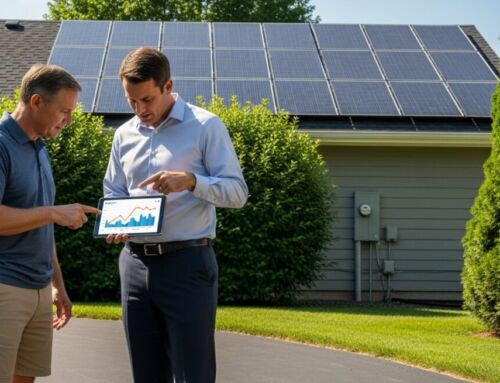
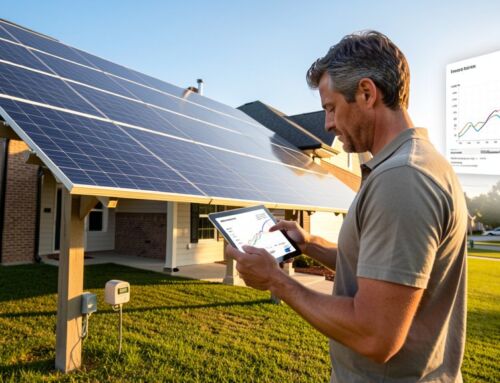
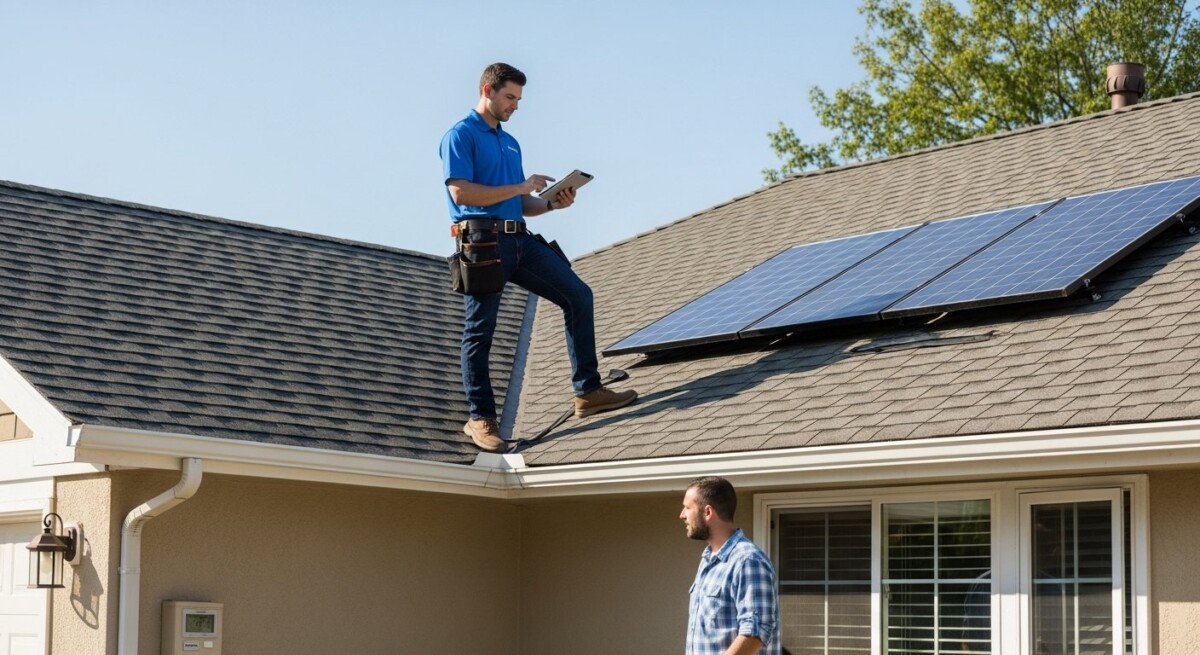
During the assessment, a solar installer will examine your roof’s age, material, angle, and shading from trees or nearby buildings. They will also review your past utility bills to understand your energy consumption patterns. This information helps them design a system that matches your household’s specific needs, not a one-size-fits-all solution.
More homeowners are considering solar installation assessments because solar technology has become more affordable and efficient. With federal tax credits, state rebates, and net metering programs, the financial incentives make solar an attractive long-term investment. An assessment helps you navigate these options without guesswork.
Why Solar Energy Is Becoming More Popular
Rising electricity prices are pushing many families to look for alternatives. The cost of power from the grid has increased steadily over the years, and there is no sign of it slowing down. Solar energy offers a way to lock in lower energy costs for decades.
Environmental concerns also play a big role. Homeowners want to reduce their carbon footprint and contribute to a cleaner planet. Solar panels generate electricity without emitting greenhouse gases, making them one of the most eco-friendly choices available.
Long-term savings are another major draw. While the upfront cost of solar installation can seem high, the return on investment is substantial. Most systems pay for themselves within 6 to 10 years, and after that, your electricity is essentially free. That is money you can put toward other priorities.
If you are considering solar power for your home, comparing installation quotes can help you understand your options. Request a free solar quote or call (855) 780-1273 to learn more.
Common Questions Homeowners Have About Solar
Many homeowners wonder if solar panels are too expensive. The truth is that prices have dropped significantly over the past decade. With financing options like solar loans, leases, and power purchase agreements, you can often go solar with little or no money down.
Another common concern is whether a roof can support solar panels. Most roofs in good condition can handle the weight, but an assessment will confirm this. Installers also check for shading from trees or other buildings that could reduce system performance.
Here are some of the most frequent questions homeowners ask:
- How much will solar panels save me each month?
- What happens if my roof needs repairs after installation?
- Will solar panels work on cloudy days or in winter?
- How long does the installation process take?
- Do I need to replace my roof before installing solar?
- What warranties come with solar panels and inverters?
How Solar Panel Installation Works
The installation process starts with a home energy assessment. An installer reviews your electricity bills and evaluates your roof to design a system that fits your needs. This step ensures you get the right number of panels and the most efficient setup.
After the assessment, the installer creates a system design and submits it for permits. This paperwork can take a few weeks, but it is essential for safety and compliance with local codes. Once permits are approved, the physical installation begins.
The main steps in a typical solar installation include:
- Home energy assessment and roof inspection
- System design and equipment selection
- Permit applications and utility approvals
- Panel installation and electrical wiring
- System activation and final inspection
Speaking with experienced installers can help you determine the best solar solution for your home. Compare solar quotes here or call (855) 780-1273 to explore available options.
Signs Your Home May Be Ideal for Solar
Not every home is a perfect candidate for solar, but many are. If your roof gets plenty of direct sunlight for most of the day, you are in a good position. South-facing roofs with minimal shading tend to produce the most energy.
High electricity bills are another strong indicator. If you are paying a lot each month, solar panels can offset a large portion of that cost. You can also check your local net metering policies,some utilities credit you for excess power you send back to the grid.
Look for these signs that your home is solar-ready:
- Your roof receives strong, direct sunlight for at least 4,5 hours daily
- Your electricity bills are consistently high
- You have adequate roof space without significant shading
- You plan to stay in your home for at least 5,10 years
- Your roof is in good condition or recently replaced
- You live in a state with favorable solar incentives
What Affects Solar Installation Costs
System size is the biggest factor. A larger system that covers more of your energy needs will cost more upfront but save more in the long run. Equipment quality also matters,premium panels and inverters are more efficient but come at a higher price.
Installation complexity can drive costs up. If your roof is steep, has multiple angles, or requires extra structural reinforcement, the labor will be more expensive. Local incentives, such as federal tax credits and state rebates, can significantly lower your out-of-pocket costs.
The cost of solar installation varies depending on your home and energy needs. Request personalized solar quotes or call (855) 780-1273 to see what options are available.
Tips for Choosing a Reliable Solar Installer
Choosing the right installer is just as important as choosing the right equipment. Look for companies with a strong track record and positive reviews from local homeowners. Experienced installers will walk you through every step of the process and answer your questions honestly.
Always ask about warranties. A good installer will offer a workmanship warranty in addition to the manufacturer’s warranty on panels and inverters. This protects you if something goes wrong with the installation itself.
Here are practical tips for finding a trustworthy installer:
- Review the installer’s experience and number of completed projects
- Check for proper licensing and insurance
- Read customer reviews on sites like Google and Yelp
- Ask for references from past customers
- Compare at least 3,4 quotes to ensure competitive pricing
- Verify that they handle permits and inspections
Long-Term Benefits of Installing Solar Panels
The most obvious benefit is lower electricity bills. Once your system is paid off, you can enjoy decades of reduced or even eliminated energy costs. That is money you can reinvest in your home, save for retirement, or spend on things you love.
Solar panels also increase your home’s value. Studies show that homes with solar systems sell for more than comparable homes without them. Buyers are attracted to the promise of lower utility bills and a smaller carbon footprint.
Energy independence is another huge advantage. With solar panels and optional battery storage, you become less reliant on the grid. During power outages, your home can keep running on stored solar power, giving you peace of mind.
How long does a solar installation assessment take?
A typical on-site solar assessment takes about 1 to 2 hours. The installer will inspect your roof, check your electrical panel, and review your utility bills. Some companies also offer virtual assessments using satellite imagery and online tools.
Do I need to be home for the assessment?
Yes, it is best to be present so the installer can ask questions about your energy usage and any future plans you have for your home. If you are not available, you can grant access to a trusted family member or neighbor.
Can I do my own solar assessment?
You can do a basic check using online tools and satellite maps, but a professional assessment is more accurate. Installers have specialized equipment to measure roof angle, shading, and structural integrity. Their expertise helps avoid costly mistakes.
What happens if my roof needs repairs before solar?
Your installer will note any issues during the assessment. If your roof needs repairs, it is best to address them before installation. Many solar companies can coordinate with roofing contractors to handle the work.
Will solar panels work during a power outage?
Standard grid-tied solar systems shut down during outages for safety reasons. If you want backup power, you can add a battery storage system. Your installer can explain the options during the assessment.
How much can I save with solar panels?
Savings depend on your local electricity rates, system size, and sun exposure. On average, homeowners save between $10,000 and $30,000 over 20 years. A professional assessment will give you a personalized estimate based on your specific situation.
What incentives are available for solar?
The federal solar tax credit allows you to deduct 30% of your installation costs from your taxes. Many states and utilities offer additional rebates or performance-based incentives. Your installer can help you identify what applies to you.
Exploring solar energy is a smart step toward lowering your bills and gaining energy independence. A solar installation assessment gives you the clarity and confidence to make an informed decision. By comparing quotes from multiple installers, you can find the system and price that work best for your home.