Solar Financing Options Explained for Homeowners
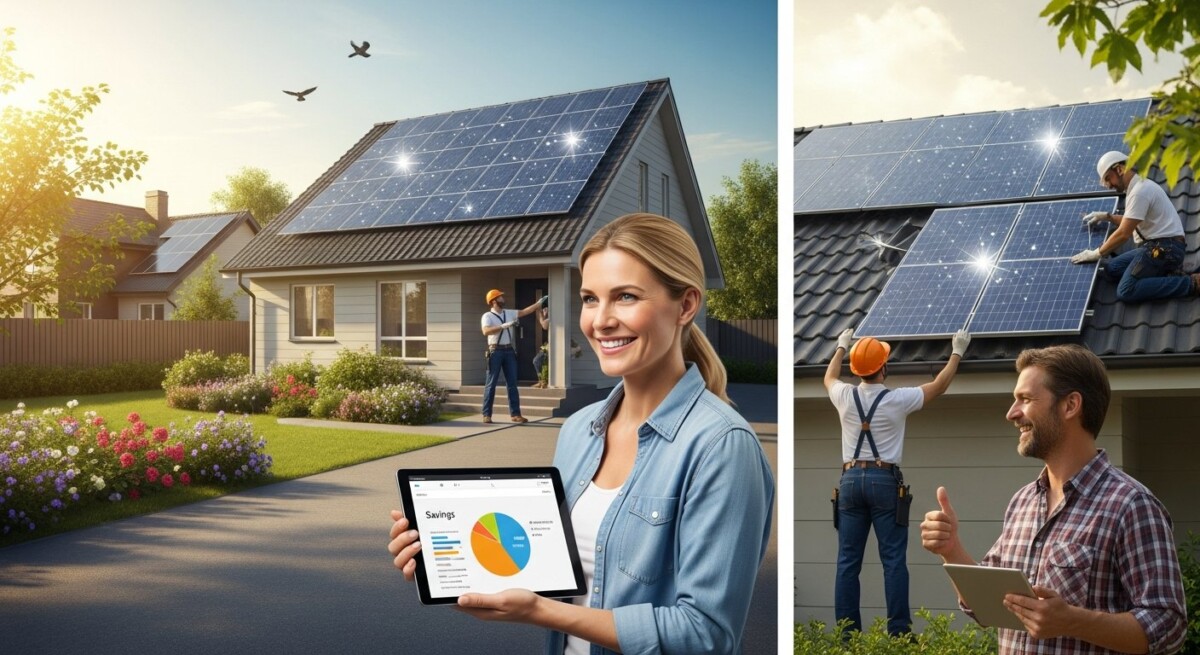
If you’ve opened your electricity bill recently and felt a jolt, you’re not alone. Rising energy costs are prompting more homeowners than ever to look for a stable, long-term solution. Solar panels offer a powerful way to reduce those monthly bills and gain independence from the unpredictable grid, but the upfront cost can feel daunting. Understanding solar financing options explained in simple terms is the first step toward making this smart investment accessible and affordable for your budget.
Understanding Solar Financing Options Explained
Solar financing is simply the different methods you can use to pay for a solar panel system. Instead of one large, upfront cash payment, various plans allow you to spread the cost over time. These options are designed to make solar energy achievable for a wide range of homeowners, regardless of their current savings.
The right choice depends on your financial goals, whether you want to own the system outright, prefer a low monthly payment, or want to avoid maintenance responsibilities. By breaking down the cost, these financing methods turn the long-term savings of solar into an immediate financial reality. In our guide on solar financing for homeowners, we explain how each option can help you save on energy bills from day one.
Why Solar Energy Is Becoming More Popular
Homeowners are turning to solar power for several compelling reasons. First and foremost, it provides a direct defense against constantly rising electricity rates. Once your system is installed, a significant portion of your power comes free from the sun, locking in your energy costs for decades.
Beyond the wallet, there’s a strong desire for energy independence and environmental stewardship. Generating your own clean power reduces your carbon footprint and makes your home less vulnerable to grid outages and price spikes. Combined with available government incentives, solar has transformed from a niche product into a mainstream home upgrade that pays for itself.
If you are considering solar power for your home, comparing installation quotes can help you understand your options. Request a free solar quote or call to learn more.
Common Questions Homeowners Have About Solar
It’s normal to have questions before making a significant home investment. Many people wonder if their roof is suitable, how the system will perform in different weather, and what the true long-term savings look like. A reputable solar installer will address all these concerns during a consultation.
Here are some of the most frequent questions we hear from homeowners starting their research:
- How much do solar panels really cost?
- Is my roof strong enough and does it get enough sun?
- What happens on cloudy days or at night?
- How long will the system last, and what about maintenance?
- Will solar panels increase my property taxes?
- What financing options are available to me?
How Solar Panel Installation Works
The solar installation process is designed to be straightforward and managed by professionals from start to finish. It begins with a detailed assessment of your home’s energy use and roof structure. This information is used to design a system tailored to maximize your savings.
Your installer handles all the necessary permits and paperwork, including applications for local incentives. Once approved, the physical installation is typically completed in just a few days, with minimal disruption to your household.
- Home Energy Assessment & Consultation: Review your bills, evaluate your roof, and discuss goals.
- Custom System Design: Engineers create a plan to meet your energy needs.
- Permits & Approvals: Your installer secures all required permits from your city and utility company.
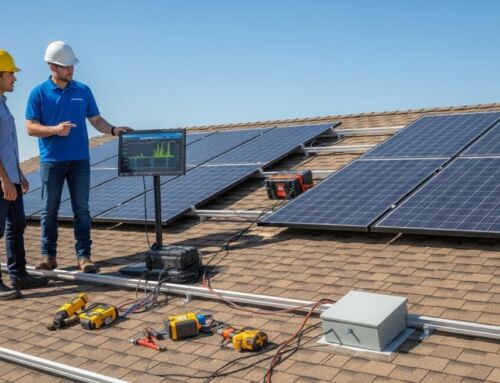
- Panel Installation: The racking, panels, and inverter are installed on your roof.
- Inspection & Activation: The system is inspected and given permission to connect to the grid.
Speaking with experienced installers can help you determine the best solar solution for your home. Compare solar quotes here or call to explore available options.
Signs Your Home May Be Ideal for Solar
While many homes are excellent candidates for solar, some characteristics make the investment particularly advantageous. The most important factor is access to strong, unobstructed sunlight for the majority of the day. A south-facing roof is ideal, but east and west-facing roofs can also work very well.
Your current energy habits and future plans also play a big role. If you’re paying high electricity bills, you have more potential savings to capture, which improves the return on your investment.
- Your roof is in good condition and receives direct sunlight for 5+ hours a day.
- You have high monthly electricity bills.
- You have a suitable amount of unshaded roof space.
- You plan to stay in your home for 5+ years to realize the savings.
- Your local utility has favorable net metering policies.
- You are interested in reducing your environmental impact.
What Affects Solar Installation Costs
The final price of a solar panel system isn’t one-size-fits-all. Several key factors influence the total investment. The size of the system, measured in kilowatts (kW), is the primary driver,a larger system to power a bigger home will cost more than a smaller one.
Equipment quality, roof complexity, and local labor rates also contribute. Importantly, available government incentives, like the federal solar tax credit, can significantly reduce your net cost. A professional installer will provide a detailed quote that breaks down all these elements for you.
The cost of solar installation varies depending on your home and energy needs. Request personalized solar quotes or call to see what options are available.
Tips for Choosing a Reliable Solar Installer
Selecting the right installer is as crucial as choosing the right financing option. A trustworthy company ensures your system is designed correctly, installed safely, and performs optimally for years to come. They will be your partner long after the panels are on your roof.
Always do your homework before signing a contract. Check their credentials, experience, and reputation in your community. Don’t hesitate to ask for references and proof of insurance.
- Verify they are licensed, bonded, and insured for solar installation in your state.
- Look for installers with several years of experience and a strong local track record.
- Read customer reviews and ask for references from recent projects.
- Understand the warranties offered on both equipment and workmanship.
- Get detailed, written quotes from at least three different companies.
- Ensure they handle the entire process, including permits and interconnection.
Long-Term Benefits of Installing Solar Panels
The benefits of going solar extend far beyond the initial installation. The most immediate and tangible advantage is drastically lower electricity bills. Over the 25+ year lifespan of a system, these savings can amount to tens of thousands of dollars, effectively paying for the system many times over.
Solar panels also increase your home’s market value and appeal to future buyers. You’ll gain peace of mind through energy independence, protect yourself from rate hikes, and make a positive contribution to a cleaner environment by reducing reliance on fossil fuels.
How does solar financing work?
Solar financing provides different pathways to pay for your system, such as loans, leases, or power purchase agreements (PPAs). A solar loan allows you to own the system with monthly payments, while a lease or PPA involves paying for the power it produces without ownership. Each option has different implications for upfront cost, monthly savings, and who claims incentives.
What is the federal solar tax credit?
The federal solar tax credit, also known as the Investment Tax Credit (ITC), allows you to deduct a significant percentage of your solar system’s cost from your federal taxes. This incentive directly reduces the amount you owe, making solar more affordable. It’s crucial to consult with a tax professional to understand how it applies to your specific financial situation.
Can I get solar with no money down?
Yes, many solar loans and all solar leases and PPAs are structured as no-money-down options. This means you can start saving on your electricity bill immediately without an initial cash investment. It’s important to compare the long-term financial outcomes of no-money-down plans versus options that may require some upfront payment.
Do solar panels work during a power outage?
Standard grid-tied solar systems automatically shut off during a power outage for safety reasons, to protect utility workers. However, you can add a solar battery storage system to your installation. A battery stores excess solar energy, allowing you to power essential appliances in your home during an outage, providing true energy independence.
How long do solar panels last?
High-quality solar panels are extremely durable and are typically guaranteed to produce electricity for 25 to 30 years. They continue to work well beyond that period, albeit at a slightly reduced efficiency. Most reputable manufacturers offer strong performance warranties guaranteeing their panels will still produce at 80-90% of their original capacity after 25 years.
Will solar panels damage my roof?
Professional installers will not damage your roof. In fact, the mounting system is designed to protect your roof structure. Installers conduct a thorough inspection beforehand and will recommend any needed repairs. The panels and racking also act as a protective layer, shielding your roof from weather, UV rays, and debris.
Understanding your solar financing options is the key that unlocks the door to energy savings and independence. By taking the time to research and compare detailed quotes from qualified local installers, you can make a confident, informed decision. Start your journey today by exploring the plans available for your home and take control of your energy future.