Solar Installation Near Me: Cut Your Electric Bills
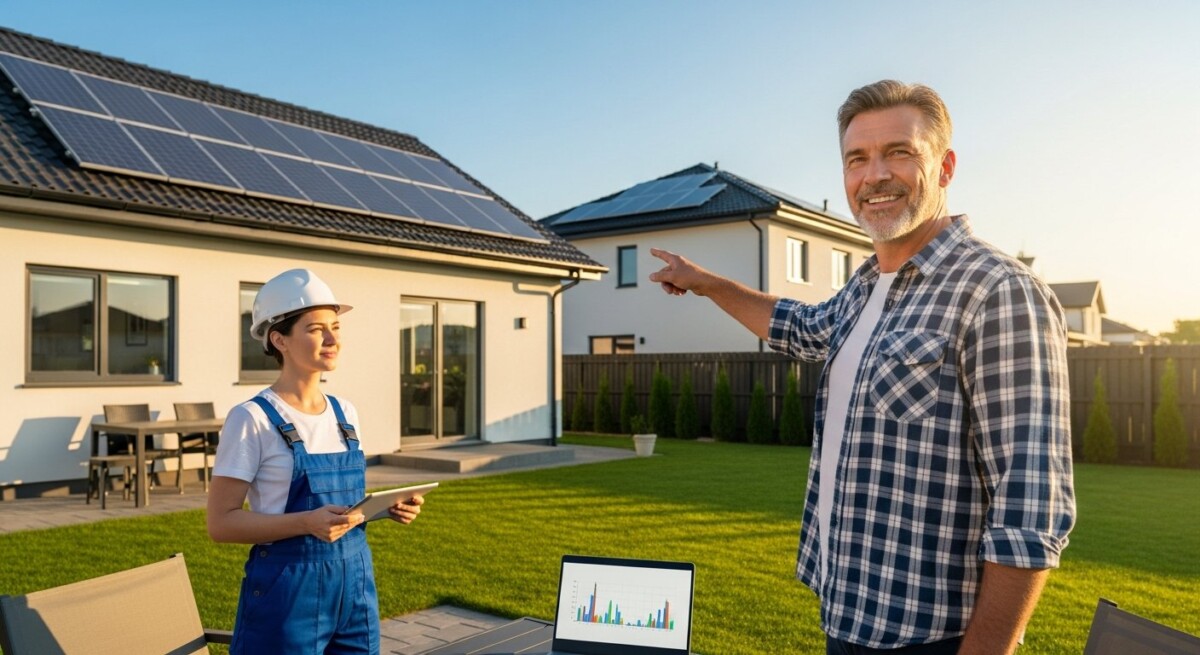
You open your monthly electricity bill and notice the amount keeps creeping higher. Many homeowners now type “solar installation near me” into their search bar, hoping to find a way to reduce those costs and gain some control over their energy future. Solar panels offer a practical path to lower monthly bills and less reliance on the power grid. This article explains how solar works, what it costs, and why comparing quotes from local installers is the smartest first step.
Understanding Solar Installation Near Me
Solar installation refers to the process of mounting photovoltaic (PV) panels on your roof or property to convert sunlight into electricity. These panels capture sunlight and send direct current (DC) to an inverter, which changes it into alternating current (AC) that powers your home’s lights, appliances, and electronics. Any extra electricity you generate can flow back to the grid, often earning you credits through net metering programs.
More homeowners are searching for “solar installation near me” because the technology has become more affordable and reliable over the past decade. Local installers understand your area’s climate, utility rates, and incentive programs, which helps them design a system that fits your specific home and budget. Working with a nearby professional also means faster service, easier permitting, and ongoing support if any issues arise.
Why Solar Energy Is Becoming More Popular
Rising electricity prices are the number one reason homeowners switch to solar. Utility rates have climbed steadily in most regions, and solar panels allow you to lock in a lower, more predictable energy cost for decades. Many homeowners see their monthly electric bill drop by 50 percent or more after installation.
Environmental concerns also drive interest. Solar energy produces no greenhouse gases while operating, which helps reduce your household’s carbon footprint. On top of that, federal and state incentives,such as the Investment Tax Credit (ITC),can reduce your upfront cost by 30 percent, making solar more accessible than ever. Long-term savings, energy independence, and a cleaner planet make this an appealing choice for many families.
If you are considering solar power for your home, comparing installation quotes can help you understand your options. Request a free solar quote or call to learn more.
Common Questions Homeowners Have About Solar
Before investing in solar panels, most homeowners have several practical concerns. Understanding the answers can help you make a confident decision and avoid surprises down the road.
- How much does solar installation cost? The average residential system costs between $15,000 and $25,000 before incentives, but prices vary based on system size and equipment quality.
- Is my roof suitable for solar panels? A south- or west-facing roof with little shade and good structural condition is ideal, but many installers can work with less-than-perfect roofs.
- How long do solar panels last? Most panels come with 25-year performance warranties and can generate electricity for 30 years or more with minimal maintenance.
- Will solar work during cloudy days or winter? Panels still produce electricity in diffuse light, though output is lower. Modern systems are designed to handle seasonal variations.
- What happens if I move? Solar panels can increase your home’s resale value, and many buyers see them as a desirable feature that lowers future utility bills.
How Solar Panel Installation Works
The installation process is straightforward when you work with an experienced local installer. It typically unfolds in a few clear steps that take anywhere from a few days to several weeks, depending on permitting and scheduling.
- Home energy assessment: An installer reviews your past electric bills and evaluates your roof’s size, angle, and sun exposure to determine the best system size.
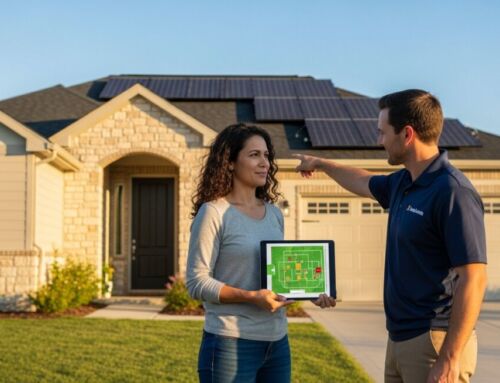
- System design: Using specialized software, the installer creates a custom layout that maximizes energy production and fits your roof’s unique shape.
- Permits and approvals: The installer handles all local building permits, utility interconnection applications, and any HOA approvals required in your area.
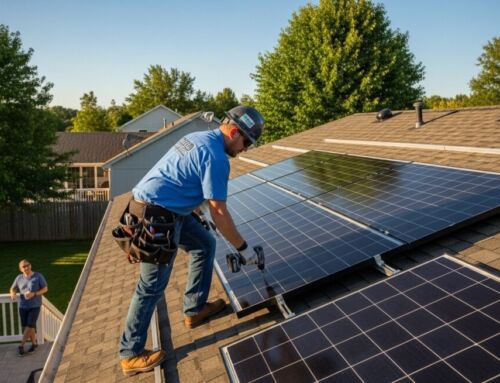
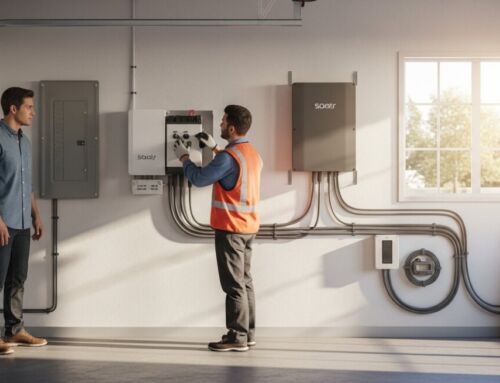
- Panel installation: A crew mounts the racking system, places the panels, connects the inverter, and runs wiring to your main electrical panel.
- System activation: After a final inspection and utility approval, the system is turned on, and you start generating your own electricity immediately.
Speaking with experienced installers can help you determine the best solar solution for your home. Compare solar quotes here or call to explore available options.
Signs Your Home May Be Ideal for Solar
Not every home is perfectly suited for solar panels, but many properties can benefit significantly. Certain characteristics make a home a strong candidate for a solar installation that pays off quickly.
- Strong sunlight exposure: Your roof receives direct sunlight for most of the day, especially between 9 a.m. and 3 p.m., with minimal shading from trees or nearby buildings.
- High electricity bills: You pay more than $100 per month on average, meaning solar can offset a larger portion of your energy costs.
- Suitable roof space: You have at least 300 square feet of unshaded, structurally sound roof area facing south or west.
- Long-term home ownership plans: You intend to stay in your home for at least 5,7 years, giving the system enough time to pay for itself through savings.
- Good roof condition: Your roof is less than 10 years old or in good enough shape to last 25 years without major repairs.
What Affects Solar Installation Costs
Several factors determine the final price of a solar system. Understanding these variables helps you evaluate quotes and choose a system that fits your budget without sacrificing quality.
System size is the biggest cost driver. A larger system that covers most of your electricity needs will cost more upfront but can deliver greater long-term savings. Equipment quality also matters,premium panels and inverters from top manufacturers carry higher price tags but often come with better warranties and efficiency.
Installation complexity can add to the cost if your roof has multiple angles, requires structural reinforcement, or needs electrical panel upgrades. Local incentives, such as state tax credits, rebates, or performance-based incentives, can significantly reduce your net cost. Your installer should help you identify every available incentive in your area.
The cost of solar installation varies depending on your home and energy needs. Request personalized solar quotes or call to see what options are available.
Tips for Choosing a Reliable Solar Installer
Finding a trustworthy installer is just as important as choosing the right equipment. A good installer ensures your system is designed correctly, installed safely, and supported for years to come.
- Review installer experience: Look for companies with at least 3,5 years in business and a track record of installing systems similar to what you need.
- Check warranties: Reputable installers offer workmanship warranties of at least 10 years and ensure you receive manufacturer warranties for panels and inverters.
- Read customer reviews: Check Google, Yelp, and the Better Business Bureau for honest feedback about the installer’s communication and work quality.
- Compare multiple quotes: Getting at least three detailed quotes allows you to compare pricing, equipment, warranties, and financing options side by side.
- Ask about certifications: Installers with NABCEP (North American Board of Certified Energy Practitioners) certification have demonstrated advanced knowledge of solar best practices.
Long-Term Benefits of Installing Solar Panels
Once your solar system is up and running, the benefits extend far beyond lower monthly bills. Solar panels provide a reliable return on investment that grows over time as utility rates rise.
Your electricity bills will decrease significantly, and in some months you may owe nothing at all. Many homeowners report saving $1,000 to $2,000 per year, meaning the system can pay for itself within 7 to 10 years. After that, the electricity you generate is essentially free for the remaining life of the panels.
Solar panels also increase your home’s resale value. Studies show that homes with solar panels sell for about 4 percent more than comparable homes without them. You also gain energy independence,protecting yourself from future rate hikes and grid outages if you pair your system with battery storage. Finally, reducing your reliance on fossil fuels helps create a cleaner environment for your community and future generations.
How much does solar installation cost in 2025?
The average cost for a residential solar system in 2025 ranges from $2.50 to $3.50 per watt before incentives. A typical 6-kilowatt system would cost between $15,000 and $21,000 before the 30 percent federal tax credit. After the credit, your net cost drops to roughly $10,500 to $14,700. Prices continue to decline as technology improves and competition increases among local installers.
How long does a solar installation take?
Most residential solar installations take one to three days for the physical installation. However, the entire process,from initial consultation to system activation,can take 4 to 8 weeks due to permitting, utility approvals, and scheduling. Your installer will provide a timeline specific to your project and location.
Do I need to clean my solar panels?
Solar panels require very little maintenance. Rain usually washes away dust and pollen. In dry climates or areas with heavy bird activity, occasional cleaning once or twice a year can help maintain peak performance. Most installers recommend using a garden hose or hiring a professional to avoid damaging the panels.
Will solar panels work during a power outage?
Standard grid-tied solar systems shut down during a power outage for safety reasons. If you want backup power during blackouts, you need a solar battery system, such as the Tesla Powerwall or LG Chem RESU. Batteries store excess solar energy and allow you to power essential appliances when the grid goes down.
What happens if my roof needs repairs after solar is installed?
If you need roof repairs after solar installation, the installer will need to temporarily remove and reinstall the panels to access the affected area. Most reputable installers charge a fee for this service. To avoid extra costs, have your roof inspected and repaired before the solar installation begins.
Can I install solar panels myself?
DIY solar installation is possible for experienced homeowners, but it carries significant risks. Mistakes in wiring, mounting, or permitting can lead to safety hazards, voided warranties, and missed incentives. Professional installation ensures the system meets local codes, qualifies for rebates, and operates safely and efficiently.
How do solar incentives work in my state?
Federal incentives like the Investment Tax Credit apply nationwide. State and local incentives vary widely. Some states offer additional tax credits, rebates, or performance-based payments. Your local installer should be familiar with all available programs and help you apply. You can also check the Database of State Incentives for Renewables & Efficiency (DSIRE) for a complete list.
What size solar system do I need?
System size depends on your average monthly electricity usage, roof space, and sunlight exposure. A typical home uses 900 to 1,100 kilowatt-hours per month, which requires a 6- to 8-kilowatt system. Your installer will calculate the exact size during the home energy assessment and provide a recommendation based on your goals.
Switching to solar energy is a practical way to lower your electricity bills, increase your home’s value, and reduce your environmental impact. The best way to start is by exploring your options with local professionals who understand your area’s climate, incentives, and regulations. Take the next step today,compare quotes from trusted solar installers near you and discover how much you could save.