Solar System Lifespan Explained: Maximize Your Savings
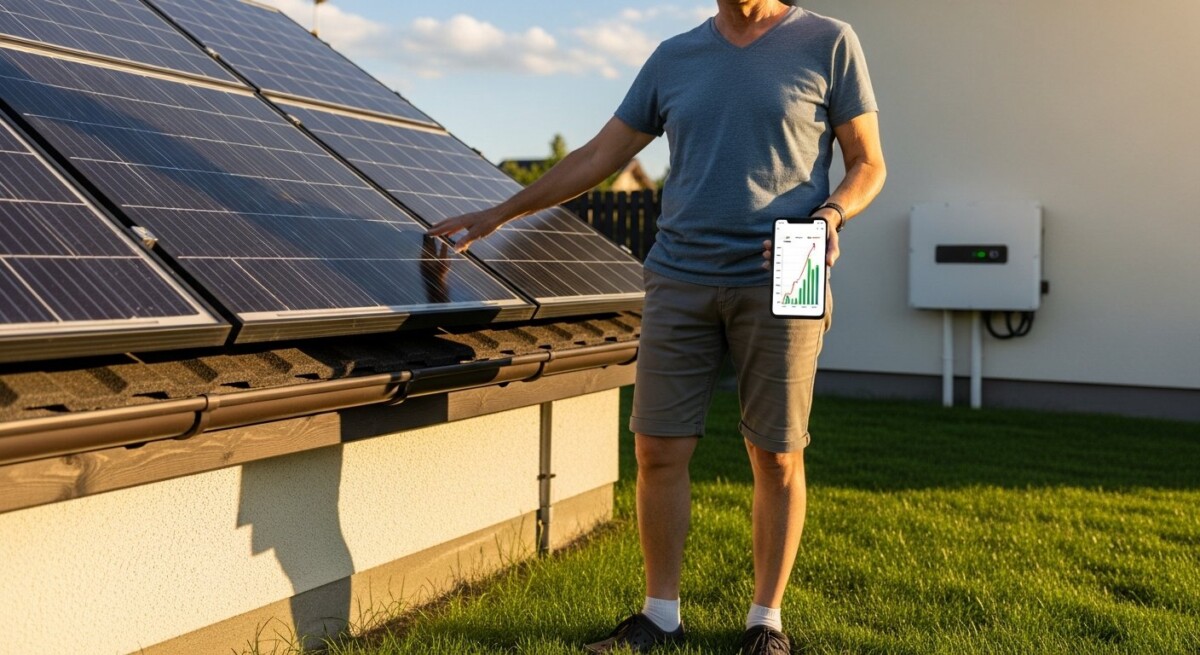
Imagine opening your monthly electricity bill and seeing a number that keeps climbing. For many homeowners, rising energy costs have turned a routine expense into a source of frustration. This is why more people are searching for “solar system lifespan explained” , they want to know if solar panels can truly reduce their bills and deliver long-term value. Understanding how long a solar system lasts is the first step toward gaining energy independence and protecting your household from future rate hikes.
Understanding Solar System Lifespan Explained
A solar system’s lifespan refers to how many years your panels and equipment can produce electricity reliably. Most modern solar panels come with a performance warranty of 25 to 30 years, but they don’t suddenly stop working after that. Instead, their output slowly declines over time, typically losing about 0.5% to 0.8% efficiency each year. This means that after 25 years, your panels will likely still generate around 80-88% of their original power.
Solar panels themselves are incredibly durable, often lasting 30 to 40 years or more. The inverter , the component that converts solar energy into usable electricity , typically needs replacement after 10 to 15 years. Batteries, if you choose to add them, also have a separate lifespan of about 10 to 15 years. When homeowners ask “solar system lifespan explained,” they are really asking how long the entire investment will continue to save them money. The answer is that a well-maintained system can deliver savings for three decades or more.
More homeowners are considering solar because they see it as a way to lock in lower electricity rates. Instead of paying a utility company that raises prices every year, you generate your own power. The upfront cost is balanced by decades of reduced bills, making the lifespan of the system a critical factor in the financial equation.
Why Solar Energy Is Becoming More Popular
Electricity prices have risen steadily across the United States, and experts predict this trend will continue. Homeowners are tired of unpredictable bills and are looking for solutions that offer stability. Solar energy provides a hedge against future rate increases because your panels produce power at a fixed cost once installed.
Environmental concerns also play a major role. Many families want to reduce their carbon footprint and leave a cleaner planet for their children. Solar power produces no emissions during operation, making it one of the most eco-friendly energy sources available. Additionally, the long-term savings are compelling: over the lifespan of a solar system, a typical homeowner can save tens of thousands of dollars on electricity.
If you are considering solar power for your home, comparing installation quotes can help you understand your options. Request a free solar quote or call (800) 555-0199 to learn more.
Common Questions Homeowners Have About Solar
When researching solar, most homeowners start with practical concerns. The biggest question is usually about cost: “How much will installation set me back?” The answer depends on your home size, energy usage, and the equipment you choose. Federal and state incentives can reduce the upfront price by 30% or more, making solar more accessible than ever.
Another common worry is roof suitability. Not every roof is ideal for solar panels, but many can be adapted. Factors like age, material, shading, and orientation all affect performance. A professional installer can assess your roof during a free site visit and recommend the best configuration.
- How much does a solar system cost after incentives?
- Will my roof support solar panels?
- How long does installation take?
- What happens on cloudy days or at night?
- Do solar panels require maintenance?
- Can I add a battery later if I want backup power?
How Solar Panel Installation Works
The installation process is straightforward when handled by experienced professionals. It begins with a home energy assessment, where an installer reviews your electricity bills and inspects your property. This step ensures the system is sized correctly to meet your needs and fit your roof.
After the assessment, the installer designs a custom solar array and handles all required permits and approvals from your local government and utility company. Once those are secured, the physical installation usually takes one to three days. The final step is system activation and inspection, after which you start generating your own electricity.
- Home energy assessment and bill analysis
- System design and equipment selection
- Permits and utility approvals
- Panel and inverter installation
- System activation and final inspection
Speaking with experienced installers can help you determine the best solar solution for your home. Compare solar quotes here or call (800) 555-0199 to explore available options.
Signs Your Home May Be Ideal for Solar
Certain characteristics make a home particularly well-suited for solar panels. If your roof receives direct sunlight for most of the day, especially from the south, you will get excellent energy production. Homes with high electricity bills also benefit the most because solar offsets a larger expense.
Another indicator is sufficient roof space. A typical residential solar system requires about 300 to 400 square feet of unshaded area. If you plan to stay in your home for at least five more years, solar becomes an even better investment because you have time to recoup the upfront cost through savings.
- Strong, unobstructed sunlight exposure for most of the day
- Monthly electricity bills above $100
- A roof in good condition with at least 15 years of life remaining
- Plans to stay in your home for five years or more
- Access to local incentives or net metering programs
What Affects Solar Installation Costs
The price of a solar system varies based on several factors. System size is the biggest driver: larger homes with higher energy needs require more panels and a bigger inverter. Equipment quality also matters , premium panels and microinverters cost more but often deliver better performance and longer warranties.
Installation complexity can add to the cost. A simple roof with standard shingles is easy to work on, while tile, slate, or flat roofs require more labor and specialized mounting hardware. Local incentives and rebates can significantly reduce your net cost, so it pays to research what is available in your area.
The cost of solar installation varies depending on your home and energy needs. Request personalized solar quotes or call (800) 555-0199 to see what options are available.
Tips for Choosing a Reliable Solar Installer
Selecting the right installer is just as important as choosing the right equipment. A reputable company will have years of experience, proper licensing, and a track record of satisfied customers. They should also offer strong warranties on both the equipment and their workmanship.
Reading online reviews and asking for references can reveal how an installer handles challenges and customer service. Most importantly, comparing multiple quotes allows you to see differences in pricing, equipment, and warranty terms. This ensures you get the best value without being overcharged.
- Review the installer’s experience and certifications
- Check warranty coverage for panels, inverters, and labor
- Read customer reviews on independent platforms like Google or BBB
- Compare at least three quotes to understand market pricing
- Ask about post-installation support and monitoring
Long-Term Benefits of Installing Solar Panels
The most obvious benefit is lower electricity bills. Once your system is paid off, the power it generates is essentially free, saving you thousands of dollars over its lifespan. Solar panels also increase your home’s resale value. Studies show that homes with solar sell faster and at a premium compared to those without.
Beyond financial gains, solar reduces your environmental impact by cutting greenhouse gas emissions. You also gain energy independence , you are less affected by utility rate hikes and grid outages, especially if you pair panels with a battery. In our guide on adding a battery to your solar system later, we explain how you can start saving now and upgrade for backup power when ready.
How long do solar panels last?
Solar panels typically last 25 to 30 years at peak performance, but they can continue producing electricity at a reduced rate for 40 years or more. Most manufacturers offer a performance warranty guaranteeing at least 80% output after 25 years.
Do solar panels work on cloudy days?
Yes, solar panels still generate electricity on cloudy days, just at a lower output. They rely on diffuse sunlight, so you will still see savings, though production may drop to 10-25% of sunny-day levels.
What maintenance do solar panels need?
Solar panels require very little maintenance. Periodic cleaning to remove dust, leaves, or snow is recommended, and your installer may offer monitoring services to alert you to performance issues. Most systems are designed to be self-sufficient.
Can I install solar panels myself?
While DIY solar kits exist, professional installation is strongly recommended. Mistakes in wiring, mounting, or permitting can lead to safety hazards, reduced performance, or voided warranties. Professional installers ensure the job is done correctly and safely.
Will solar panels damage my roof?
When installed properly by experienced professionals, solar panels do not damage your roof. In fact, they can protect the area underneath from weather exposure. Installers use flashing and seals to prevent leaks and ensure structural integrity.
How much can I save with solar?
Savings vary based on your location, energy usage, and system size. On average, homeowners save between $10,000 and $30,000 over 20 years. Factoring in federal tax credits and local incentives can increase these numbers significantly.
What happens if I move after installing solar?
If you own your system outright, solar panels can increase your home’s resale value and appeal to buyers. If you have a solar loan, you may need to transfer it to the new owner or pay it off at closing. Leased systems can often be transferred as well.
Do I need a battery with my solar system?
A battery is optional but beneficial if you want backup power during outages or want to store excess energy for use at night. Without a battery, you remain connected to the grid and can use net metering to credit excess production.
Understanding how long a solar system lasts and what it can do for your home is the first step toward making a smart investment. Whether you want to lower your electricity bills, reduce your carbon footprint, or gain energy independence, solar offers a practical path forward. The best way to start is by comparing quotes from trusted installers who can tailor a system to your needs. Get free solar quotes today or call (800) 555-0199 to take control of your energy future.