What Impacts Solar ROI: Key Factors for Homeowner Savings

Picture this: you open your monthly electricity bill and wince at the number. Rates have crept up again, and you wonder if there’s a way to take control. You’ve heard neighbors talk about solar panels and have started searching for what impacts solar ROI. The idea of reducing your energy bills and becoming less dependent on the power grid sounds appealing. Understanding the return on investment (ROI) for solar is the first step toward making a smart financial decision.
Understanding what impacts solar ROI
Solar ROI is simply the financial return you get from your solar panel system over time compared to what you paid to install it. Think of it like this: you spend money upfront on the system, and then each month you save on electricity costs. Eventually, those savings add up to more than your initial investment, and that’s your positive return.
Several factors determine how quickly you reach that break-even point. The amount of sunlight your home receives, the cost of electricity in your area, the size and efficiency of your system, and available incentives all play a role. More homeowners are exploring solar because they realize that a well-designed system can pay for itself within 7 to 10 years and continue saving money for decades after.
How solar panels generate savings
Solar panels convert sunlight into direct current (DC) electricity, which an inverter changes into alternating current (AC) power for your home. When your panels produce more electricity than you use, the excess flows back to the grid, and you may earn credits through net metering. Those credits offset the power you draw at night or on cloudy days, further reducing your monthly bills.
Why Solar Energy Is Becoming More Popular
Rising electricity prices are a major driver. Utility rates have increased steadily over the past decade, and many homeowners see solar as a hedge against future hikes. By generating your own power, you lock in a lower, predictable energy cost for years to come.
Environmental concerns also motivate many families. Solar energy produces no greenhouse gas emissions during operation, so switching to solar reduces your carbon footprint. Beyond the eco-friendly appeal, the long-term savings are hard to ignore. A typical homeowner can save tens of thousands of dollars over the 25- to 30-year lifespan of a solar system.
If you are considering solar power for your home, comparing installation quotes can help you understand your options. Request a free solar quote or call 1-800-SOLAR-HELP to learn more.
Common Questions Homeowners Have About Solar
Many homeowners worry about the upfront installation cost. While solar panels are a significant investment, prices have dropped dramatically over the past decade, and financing options such as loans and leases can make the switch affordable with little or no money down.
Roof suitability is another frequent concern. Not every roof is ideal, but most asphalt shingle roofs that face south, east, or west with good sun exposure can accommodate panels. A professional installer will assess your roof’s age, angle, and shading before recommending a system.
System performance in all weather is also top of mind. Solar panels work best in direct sunlight but still generate electricity on cloudy days. Modern systems are designed to maximize production even in less-than-perfect conditions.
- How much will solar panels cost for my home?
- Will solar work if my roof is shaded by trees?
- What happens if my panels produce more power than I use?
- How long does installation take from start to finish?
- Do solar panels increase my property taxes?
- What kind of maintenance do solar panels require?
How Solar Panel Installation Works
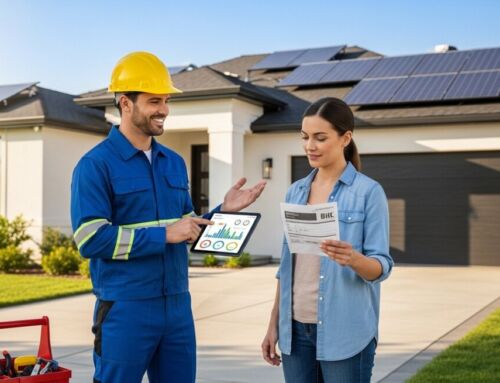
The installation process starts with a home energy assessment, where an installer reviews your past electricity bills and inspects your roof. They use this information to design a system tailored to your energy needs and sun exposure.
After you approve the design, the installer handles permits and approvals from your local utility and municipality. This step ensures your system meets all safety and grid-connection requirements. The actual panel installation usually takes one to three days, depending on system size and roof complexity.
- Home energy assessment and roof inspection
- System design and equipment selection
- Permit applications and utility approvals
- Professional panel and inverter installation
- Final inspection and system activation
Speaking with experienced installers can help you determine the best solar solution for your home. Compare solar quotes here or call 1-800-SOLAR-HELP to explore available options.
Signs Your Home May Be Ideal for Solar
Homes with strong, direct sunlight for most of the day are prime candidates for solar panels. South-facing roofs with no major shading from trees or nearby buildings capture the most energy. If your roof is in good condition and has enough unobstructed space, you’re likely a good fit.
High electricity bills are another strong indicator. The more you currently pay the utility company, the more you stand to save by generating your own power. Also, if you plan to stay in your home for at least five to seven years, you’ll have plenty of time to recoup your investment through savings.
- Your roof receives at least 5,6 hours of direct sunlight daily
- Your monthly electricity bill is consistently over $100
- You have 300,500 square feet of unshaded roof space
- Your roof is less than 10 years old and in good condition
- You plan to live in your home for at least five more years
- Your local utility offers net metering or other solar incentives
What Affects Solar Installation Costs
System size is the biggest cost driver. A larger system that covers 100% of your energy needs will cost more upfront than a smaller system that covers only part of your usage. However, the bigger system also delivers higher long-term savings.
Equipment quality matters too. Premium panels and inverters often come with longer warranties and slightly better efficiency, which can improve your overall ROI. Installation complexity, such as a steep roof or multiple roof planes, can add to labor costs. Local incentives and the federal solar tax credit can significantly reduce your net cost, so it pays to research what’s available in your area.
The cost of solar installation varies depending on your home and energy needs. Request personalized solar quotes or call 1-800-SOLAR-HELP to see what options are available.
Tips for Choosing a Reliable Solar Installer
Selecting the right installer is just as important as choosing the right equipment. A reputable company will conduct a thorough site visit, provide a clear written estimate, and help you navigate permits and incentives. Avoid high-pressure sales tactics and vague promises.
Look for installers with several years of experience and positive customer reviews. Check that they offer solid warranties on both the equipment and their workmanship. In our guide on solar ROI explained, we break down how to calculate your long-term savings and compare offers effectively.
- Review the installer’s experience and number of completed projects
- Ask about equipment warranties (typically 25 years for panels)
- Read online customer reviews on sites like Google and EnergySage
- Get at least three detailed quotes to compare pricing and system designs
- Confirm the installer is licensed, bonded, and insured in your state
Long-Term Benefits of Installing Solar Panels
Lower electricity bills are the most immediate benefit. Once your system is paid off, your monthly energy costs drop to near zero, saving you thousands over the system’s lifetime. Solar also increases your home’s resale value. Studies show that homes with solar panels sell for a premium compared to similar homes without them.
On the environmental side, a typical residential solar system offsets about 3 to 4 tons of carbon dioxide per year,the equivalent of planting over 100 trees annually. And by generating your own electricity, you gain energy independence, protecting yourself from future utility rate hikes and grid outages when paired with battery storage.
Frequently Asked Questions
How long does it take for solar panels to pay for themselves?
Most homeowners recoup their investment within 7 to 10 years, depending on local electricity rates, sun exposure, and available incentives. After that point, the electricity your panels produce is essentially free.
Does solar increase home value?
Yes, multiple studies show that homes with solar panels sell for about 4% more on average than comparable homes without solar. The increase varies by market but generally covers a significant portion of the installation cost.
What is the federal solar tax credit for 2025?
The federal Investment Tax Credit (ITC) allows you to deduct 30% of your total solar installation cost from your federal taxes. This credit applies to systems installed through 2032, then gradually steps down.
Can solar panels power my home during a blackout?
Standard grid-tied solar systems shut off during a blackout for safety reasons. To keep power flowing during an outage, you need a battery storage system like the Tesla Powerwall or LG Chem RESU.
Do solar panels work in cloudy or cold climates?
Yes, solar panels still generate electricity on cloudy days, though at reduced output. Cold temperatures actually improve panel efficiency. Systems in northern states like Massachusetts and Colorado produce plenty of power year-round.
How much maintenance do solar panels need?
Solar panels require very little maintenance. Rain usually keeps them clean, but in dry areas you may need to hose them off once or twice a year. Most systems include monitoring software that alerts you to any performance issues.
What is net metering and how does it work?
Net metering is a billing arrangement where your utility credits you for excess electricity your panels send to the grid. Those credits offset the power you use when your panels aren’t producing, like at night. Policies vary by state and utility.
Should I buy or lease solar panels?
Buying your system outright or with a solar loan gives you the best long-term ROI because you own the equipment and qualify for all incentives. Leasing offers lower upfront costs but usually results in lower total savings over time.
Understanding what impacts solar ROI empowers you to make a confident, informed decision. By comparing installation quotes from multiple reputable installers, you can find a system that fits your budget and maximizes your savings. Start exploring your options today by reaching out for free, no-obligation quotes.