Why Solar Quotes Vary by Installer: Save More on Solar
You open your monthly electric bill and feel a familiar sting. Rates keep climbing, and you wonder if there is a way to finally take control. That is when you start searching for why solar quotes vary by installer,because you have heard that solar can slash those bills and give you energy independence. But as you begin looking into solar panel installation, you quickly discover that prices seem all over the map. Understanding those differences is the first step toward making a smart investment.
Understanding why solar quotes vary by installer
At its core, solar energy is about converting sunlight into electricity using photovoltaic panels on your roof. An inverter changes the direct current into usable alternating current for your home. Any excess power can flow back to the grid, earning you credits through net metering.
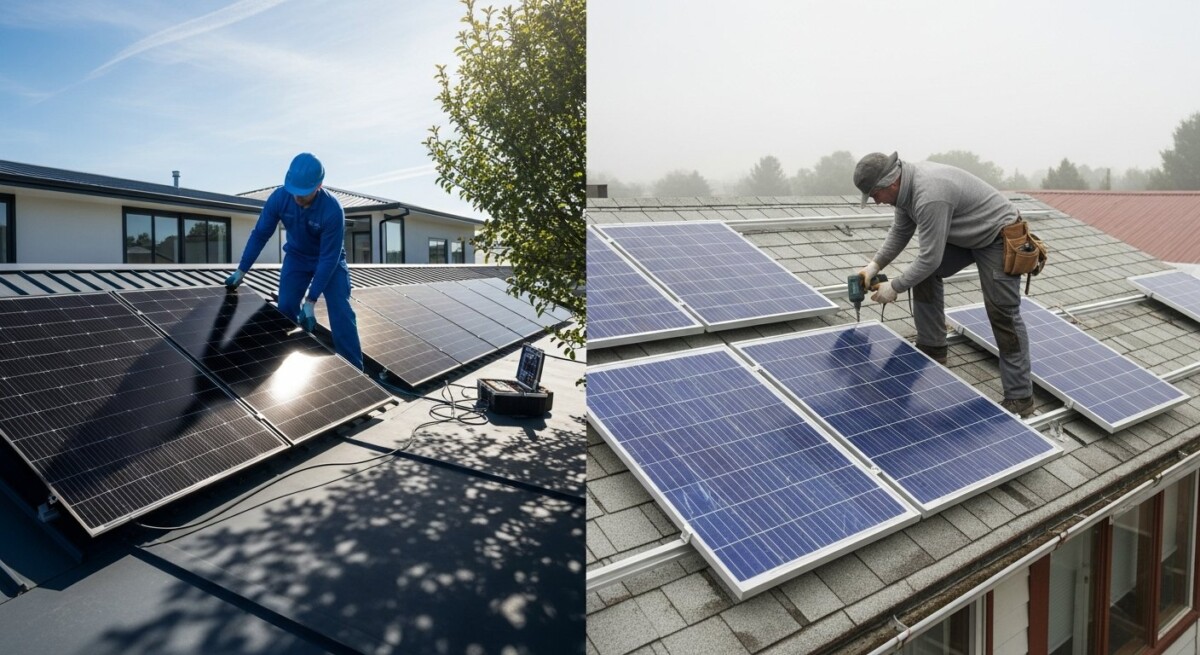
Yet no two solar installations are exactly alike. Your home’s roof angle, shading, energy usage, and local climate all influence the system you need. That is why different installers can propose very different solutions,and very different prices. One company might quote a premium system with high-efficiency panels and a long warranty, while another offers a budget-friendly option with standard equipment. Both could work, but the long-term savings and performance will differ.
What really drives the price differences?
Key factors include the brand and quality of solar panels, the type of inverter, the complexity of the roof installation, and the installer’s overhead costs. Some companies include battery storage or monitoring systems in their quotes, while others treat those as add-ons. Local permit fees, labor rates, and available incentives also play a big role. When you compare solar quotes side by side, you are not just comparing prices,you are comparing value.
Why Solar Energy Is Becoming More Popular
Electricity rates have risen steadily across the United States, and many homeowners see solar as a hedge against future increases. Locking in a lower, predictable energy cost makes sense for any household budget. At the same time, growing awareness of climate change pushes people to reduce their carbon footprint. Solar power is clean, renewable, and available right on your roof.
The long-term financial picture is also compelling. A well-designed solar system can pay for itself in six to ten years and continue producing free electricity for decades. Add federal tax credits, state rebates, and net metering programs, and the upfront cost becomes much more manageable. Homeowners are realizing that solar is not just an environmental choice,it is a smart financial move.
If you are considering solar power for your home, comparing installation quotes can help you understand your options. Request a free solar quote or call to learn more.
Common Questions Homeowners Have About Solar
Many homeowners worry about the upfront cost of solar panels. While the initial investment can be significant, financing options like solar loans, leases, and power purchase agreements make it accessible without a huge cash outlay. The key is finding the right payment model for your situation.
Another frequent concern is whether a roof can support solar panels. Most asphalt shingle roofs in good condition work well, and installers will inspect your roof’s age, orientation, and structural integrity before proceeding. Performance is also a common worry,but modern panels produce electricity even on cloudy days, and monitoring systems let you track production in real time.
- How much does a typical solar system cost?
- Will solar work on my roof?
- How long do panels last?
- What happens during a power outage?
- Are there government incentives available?
- How much will I save on my electric bill?
How Solar Panel Installation Works
Installing solar panels is a straightforward process when you work with a professional installer. It starts with a home energy assessment to understand your current usage and roof conditions. The installer then designs a system tailored to your needs, taking into account sunlight exposure and local building codes.
Once the design is finalized, the installer handles permits and approvals from your utility and local government. Actual installation usually takes one to three days, depending on system size. After final inspections and utility approval, your system is activated and starts generating power immediately.
- Home energy assessment
- System design and equipment selection
- Permits and approvals
- Panel installation on your roof
- System activation and monitoring setup
Speaking with experienced installers can help you determine the best solar solution for your home. Compare solar quotes here or call to explore available options.
Signs Your Home May Be Ideal for Solar
Not every home is perfectly suited for solar, but many are. If your roof gets strong, direct sunlight for most of the day, you are already ahead. South-facing roofs with little shading capture the most energy, but east- and west-facing roofs can also work well.
High electricity bills are another clear indicator. If you pay more than $100 per month, solar can likely reduce those costs. You also need enough usable roof space to accommodate the number of panels required to meet your energy needs. And if you plan to stay in your home for at least five to seven years, you will fully enjoy the financial benefits.
- Strong sunlight exposure on your roof
- High electricity bills
- Suitable roof space without obstructions
- Long-term home ownership plans
- Good roof condition or plans to replace it soon
- Interest in reducing your carbon footprint
What Affects Solar Installation Costs
System size is the biggest factor. A larger system that covers all your electricity needs costs more upfront but delivers greater long-term savings. Equipment quality also matters,premium panels and inverters are more efficient and last longer, but they come at a higher price.
Installation complexity can drive costs up or down. A simple south-facing roof with easy access is cheaper to install than a steep, multi-faceted roof with multiple penetrations. Local labor rates and permit fees vary by region, as do available incentives. The federal solar tax credit currently allows you to deduct 30% of the system cost from your federal taxes, and many states offer additional rebates.
The cost of solar installation varies depending on your home and energy needs. Request personalized solar quotes or call to see what options are available.
Tips for Choosing a Reliable Solar Installer
Not all solar installers are created equal. A reputable company will have years of experience, proper licensing, and a strong track record of customer satisfaction. Checking online reviews and asking for references can give you confidence in your choice.
Warranties are another critical consideration. A good installer offers a workmanship warranty of at least 10 years, while solar panel manufacturers typically provide 20- to 25-year performance warranties. In our guide on why solar quotes vary by installer, we explain how to spot the differences between a high-quality quote and one that might leave you with hidden costs. Comparing multiple quotes side by side helps you see which installer offers the best overall value.
- Review installer experience and certifications
- Check equipment and workmanship warranties
- Read customer reviews and ask for references
- Compare at least three quotes before deciding
- Ask about financing options and incentives
- Ensure the installer handles permits and inspections
Long-Term Benefits of Installing Solar Panels
The most immediate benefit is lower electricity bills. Once your system is paid off, the electricity it generates is essentially free. Over 25 years, that can amount to tens of thousands of dollars in savings, depending on your local utility rates.
Solar panels also increase your home’s resale value. Studies show that homes with solar systems sell faster and at a premium compared to similar homes without them. You also gain energy independence, protecting yourself from future rate hikes and grid instability. And every kilowatt-hour of solar energy you use reduces greenhouse gas emissions, making a tangible difference for the environment.
Finally, solar gives you control. Instead of being at the mercy of your utility company, you become a producer of your own clean energy. That peace of mind is priceless.
Frequently Asked Questions
Why do solar quotes vary so much between installers?
Solar quotes vary because each installer uses different equipment, has different overhead costs, and designs systems based on your specific home and energy needs. One company may quote premium panels with a 25-year warranty, while another offers standard panels with a shorter warranty. Comparing quotes helps you see what you are actually paying for.
How much can I save on my electric bill with solar?
Savings depend on your system size, local electricity rates, and how much sun your roof gets. Most homeowners reduce their electric bills by 50% to 90%, and many eliminate them entirely. Over 20 years, the total savings can range from $20,000 to $50,000 or more.
Is solar worth it if I plan to move in a few years?
If you plan to move within five years, solar may not pay back fully before you sell. However, solar panels can increase your home’s resale value, often by $15,000 to $20,000. Many buyers see solar as a desirable feature, so you might recoup your investment at sale.
What is the best way to compare solar quotes?
Look at the total cost, equipment specifications, warranties, and estimated energy production for each quote. Do not focus only on the lowest price. A slightly higher quote may include better panels, a longer warranty, or more comprehensive service.
Do I need a battery with my solar system?
Batteries are optional but useful if you want backup power during outages or want to store excess energy for use at night. Without a battery, you rely on net metering to get credit for extra power. Batteries add cost but increase energy independence.
What happens if my roof needs repairs after solar installation?
If your roof needs repairs after panels are installed, the installer may need to remove and reinstall them. That is why it is best to have a roof in good condition or replace it before going solar. Many installers offer a roof warranty alongside their workmanship warranty.
Are there government incentives for solar in 2025?
Yes, the federal solar tax credit allows you to deduct 30% of your system cost from your federal taxes. Many states also offer rebates, performance-based incentives, or property tax exemptions. Check with your installer or local energy office for current programs.
How long do solar panels actually last?
Solar panels typically last 25 to 30 years, with most manufacturers guaranteeing at least 80% performance after 25 years. Inverters may need replacement after 10 to 15 years. With proper maintenance, panels can continue producing electricity well beyond their warranty period.
Choosing solar is a big decision, but understanding why solar quotes vary by installer puts you in control. By comparing multiple quotes, you can find a system that fits your budget, meets your energy needs, and delivers long-term savings. Start exploring your options today and take the first step toward energy independence.