What Is a Solar Battery Backup System and How It Saves You Money

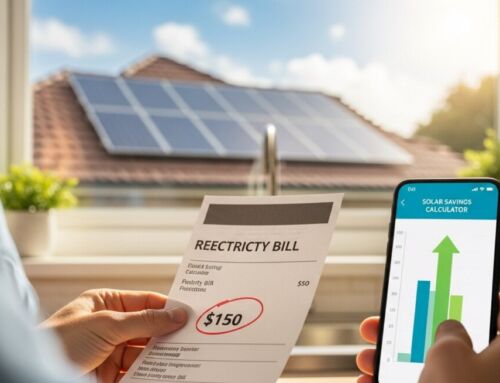
Every month, your electricity bill seems to creep higher. You might have started searching online for ways to reduce those costs and gain more control over your home’s energy use. Many homeowners in the same situation discover the concept of a solar battery backup system and wonder if it is the right solution for their home. This technology offers a way to store extra solar energy for use when the sun isn’t shining, helping you lower your bills and become less dependent on the power grid. Understanding what is a solar battery backup system is the first step toward making an informed decision about your home’s energy future.
Understanding what is solar battery backup system
A solar battery backup system is a combination of solar panels and a battery that stores excess electricity your panels produce during the day. Instead of sending all that extra power back to the utility grid, the battery keeps it available for use at night, during cloudy weather, or when the grid goes down. Think of it as a dedicated energy reserve for your home.
When sunlight hits your solar panels, they generate direct current (DC) electricity. An inverter converts that DC power into alternating current (AC) that your home appliances can use. Any electricity your home does not need immediately flows into the battery for later use. This simple process gives you greater control over when and how you use solar energy.
More homeowners are considering battery backup because it offers energy independence and protection against power outages. With extreme weather events becoming more common and electricity rates rising, having a backup power source provides peace of mind. Many families now see a solar battery not just as an accessory, but as an essential part of a modern home energy strategy.
How a solar battery works with your existing system
If you already have solar panels, adding a battery is usually straightforward. The battery connects to your inverter or to a separate battery-based inverter, depending on the system design. A charge controller manages the flow of electricity to prevent overcharging and to extend the battery’s lifespan. Most modern lithium-ion batteries are compact, wall-mounted, and require very little maintenance.
Why Solar Energy Is Becoming More Popular
Rising electricity prices are the number one reason homeowners are switching to solar power. Utility rates have increased steadily over the past decade, and many experts expect that trend to continue. By generating your own electricity, you can lock in a lower, predictable energy cost for decades.
Environmental concerns also play a major role. Solar energy is clean, renewable, and produces no greenhouse gas emissions during operation. Homeowners who install solar panels can reduce their carbon footprint significantly, often by several tons per year. That environmental benefit, combined with the financial savings, makes solar an attractive choice for families who want to make a positive impact without sacrificing comfort.
Long-term savings are another powerful motivator. Although the upfront cost of solar panels and a battery system can seem high, the return on investment is strong. Many homeowners see their system pay for itself within 6 to 10 years, and solar panels can last 25 years or more. After that break-even point, the electricity your system produces is essentially free.
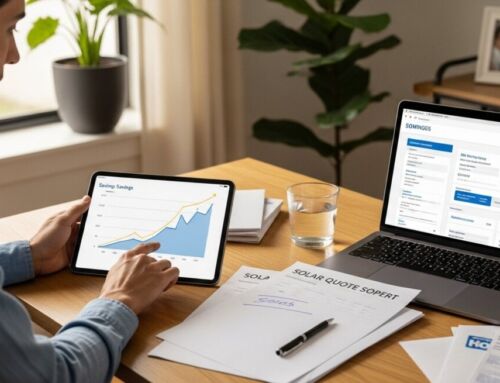
If you are considering solar power for your home, comparing installation quotes can help you understand your options. Request a free solar quote or call to learn more.
Common Questions Homeowners Have About Solar
Installation cost is often the first concern. A typical residential solar system with battery backup ranges from $15,000 to $30,000 before incentives. However, federal and state tax credits can reduce that cost by 30% or more. Many installers also offer financing options that make solar affordable with little to no money down.
Roof suitability is another common question. South-facing roofs with good sun exposure work best, but east- and west-facing roofs can also produce plenty of power. Shading from trees or nearby buildings can reduce efficiency, though modern microinverters help minimize that impact. A professional installer will evaluate your roof during a free site visit.
System performance is a frequent worry. Solar panels are highly reliable and backed by strong warranties, often 25 years for performance and 10 to 12 years for equipment. Battery lifespan varies by chemistry, but lithium-ion batteries typically last 10 to 15 years. With proper installation, your system should operate efficiently for decades.
- How much will a solar battery backup system cost for an average home?
- Will my roof support the weight of solar panels?
- How long does installation usually take?
- What happens if I produce more electricity than I use?
- Do solar panels work during a power outage?
- Are there maintenance requirements for a solar battery system?
How Solar Panel Installation Works
The installation process begins with a home energy assessment. An installer reviews your past electricity bills, evaluates your roof’s condition and orientation, and discusses your energy goals. This step ensures the system is sized appropriately to meet your household’s needs.
Next, the installer designs a custom system layout. They select the right number of panels, inverter type, and battery capacity for your home. After you approve the design, the company handles all necessary permits and approvals from your local utility and building department. This paperwork can take one to four weeks, depending on your area.
- Complete a home energy assessment and review past utility bills.
- Design a custom solar and battery system for your home.
- Submit permits and obtain approval from local authorities and your utility company.
- Install racking, solar panels, inverter, and battery unit on your roof or ground.
- Connect the system to your home’s electrical panel and to the utility grid.
- Pass final inspection and receive permission to operate from your utility.
Speaking with experienced installers can help you determine the best solar solution for your home. Compare solar quotes here or call to explore available options.
Signs Your Home May Be Ideal for Solar
Homes with strong, direct sunlight exposure for most of the day are excellent candidates for solar panels. If your roof faces south and receives little shade from trees or other buildings, you can expect high energy production. Even homes with east- or west-facing roofs can generate substantial power, though total output will be slightly lower.
High electricity bills are another clear indicator. If your monthly energy costs exceed $100, solar can likely save you money. The more electricity you use, the faster your system will pay for itself. Homeowners with electric vehicles or large families often see the most dramatic savings.
Suitable roof space is essential. A typical residential system requires about 300 to 500 square feet of unshaded roof area. If your roof is new or in good condition, you avoid the extra expense of removing and reinstalling panels later. Long-term home ownership plans also matter because solar provides the greatest financial benefit over a 10- to 30-year period.
- Your roof receives at least five hours of direct sunlight per day.
- Your monthly electricity bill is consistently high.
- You have at least 300 square feet of usable, unshaded roof space.
- Your roof is less than 10 years old or in excellent condition.
- You plan to stay in your home for at least five more years.
- Your local utility offers net metering or other incentives for solar.
What Affects Solar Installation Costs
System size is the biggest factor. Larger systems with more panels and higher battery capacity cost more upfront but generate more electricity and savings over time. A typical 6 kW system costs less than a 10 kW system, but the larger system often provides a better return if your energy usage is high.
Equipment quality also influences price. Premium solar panels from brands like SunPower or LG tend to be more efficient and carry longer warranties, but they cost more than standard panels. Similarly, lithium-ion batteries from top manufacturers cost more than lead-acid options but offer better performance and longer life.
Installation complexity can add to the cost. If your roof is steep, has multiple angles, or requires structural reinforcement, labor costs will increase. Ground-mounted systems are often more expensive than roof-mounted ones due to additional materials and trenching. Local incentives and rebates can offset these costs significantly, so it pays to research what is available in your area.
The cost of solar installation varies depending on your home and energy needs. Request personalized solar quotes or call to see what options are available.
Tips for Choosing a Reliable Solar Installer
Choosing the right installer is just as important as choosing the right equipment. A professional installer ensures your system is designed correctly, installed safely, and connected to the grid without issues. They also help you navigate permits, incentives, and financing options that can save you thousands of dollars.
Start by reviewing each installer’s experience and credentials. Look for companies that have been in business for at least five years and hold certifications from organizations like the North American Board of Certified Energy Practitioners (NABCEP). Check their Better Business Bureau rating and read customer reviews on independent platforms like Google or Yelp.
- Ask for at least three detailed quotes from different installers before making a decision.
- Verify that the installer is licensed and insured in your state.
- Check the warranty terms for both equipment and workmanship.
- Read recent customer reviews to gauge satisfaction and reliability.
- Ask about the brands of panels and batteries they recommend and why.
- Confirm that the installer handles all permits and utility approvals.
Long-Term Benefits of Installing Solar Panels
Lower electricity bills are the most immediate benefit. Once your system is operational, your monthly utility costs drop dramatically. With a solar battery backup system, you can store energy and use it during peak rate periods, avoiding the highest electricity charges. Over 20 years, those savings can total tens of thousands of dollars.
Increased home value is another major advantage. Studies show that homes with solar panels sell for a premium compared to homes without them. Buyers recognize the value of lower utility bills and energy independence, making solar-equipped homes more attractive on the real estate market. A solar battery system can further boost that appeal by offering backup power.
Reduced environmental impact is a benefit that goes beyond your household. Every kilowatt-hour of solar energy you use instead of grid electricity reduces the demand for fossil fuels. That means fewer carbon emissions, less air pollution, and a healthier planet for future generations. Energy independence also means you are less affected by grid outages and utility rate hikes. In our guide on energy storage and backup systems, we explain how solar batteries help you maintain power during emergencies and reduce reliance on the grid.
Frequently Asked Questions
How long does a solar battery backup system last?
Most lithium-ion solar batteries last between 10 and 15 years, depending on usage and climate. Many manufacturers offer warranties that guarantee a certain capacity after 10 years. Solar panels themselves can last 25 to 30 years, so you may need to replace the battery once during the life of your system.
Can I add a battery to my existing solar panels?
Yes, in most cases you can add a battery to an existing solar panel system. Your installer will need to evaluate your current inverter and electrical setup to ensure compatibility. Some systems require a new hybrid inverter or an AC-coupled battery solution.
Will a solar battery backup system power my entire home?
It depends on the battery capacity and your home’s energy usage. Most residential batteries are designed to power essential loads like lights, refrigerators, and outlets, not large appliances like central air conditioning. Your installer can help you decide which circuits to back up during an outage.
How much can I save on my electricity bill with solar panels?
Savings vary based on your location, energy usage, and system size. On average, homeowners save between $600 and $1,500 per year after installing solar panels. Adding a battery can increase savings by allowing you to use stored energy during peak rate periods.
What government incentives are available for solar energy?
The federal solar investment tax credit (ITC) allows you to deduct 30% of your system cost from your federal taxes. Many states also offer additional rebates, tax credits, or performance-based incentives. Some utilities provide net metering credits for excess energy you send to the grid.
Do solar panels work on cloudy days or in winter?
Yes, solar panels still generate electricity on cloudy days, though at reduced output. Modern panels are designed to capture diffuse sunlight. In winter, shorter days and snow can lower production, but a properly sized system with battery storage still provides reliable power year-round.
How long does it take to install solar panels and a battery system?
Installation itself usually takes one to three days, depending on system complexity. The entire process from quote to activation typically takes four to eight weeks, including permitting and utility approvals. Your installer will provide a timeline during the initial consultation.
Is solar battery backup worth the extra cost?
For many homeowners, yes. A battery provides backup power during outages, increases energy independence, and can reduce electricity bills by avoiding peak rates. If you live in an area with frequent storms or high time-of-use electricity rates, a battery often pays for itself over time.
Exploring solar energy is a smart step toward lower bills, energy independence, and a cleaner environment. Every home is different, so the best way to find the right solution is to compare quotes from multiple professional installers. By gathering several custom proposals, you can evaluate costs, equipment, and warranties side by side. Take that first step today and request free solar quotes to see how much you could save.