Solar for First Time Homeowners: Your Guide to Savings and Simplicity
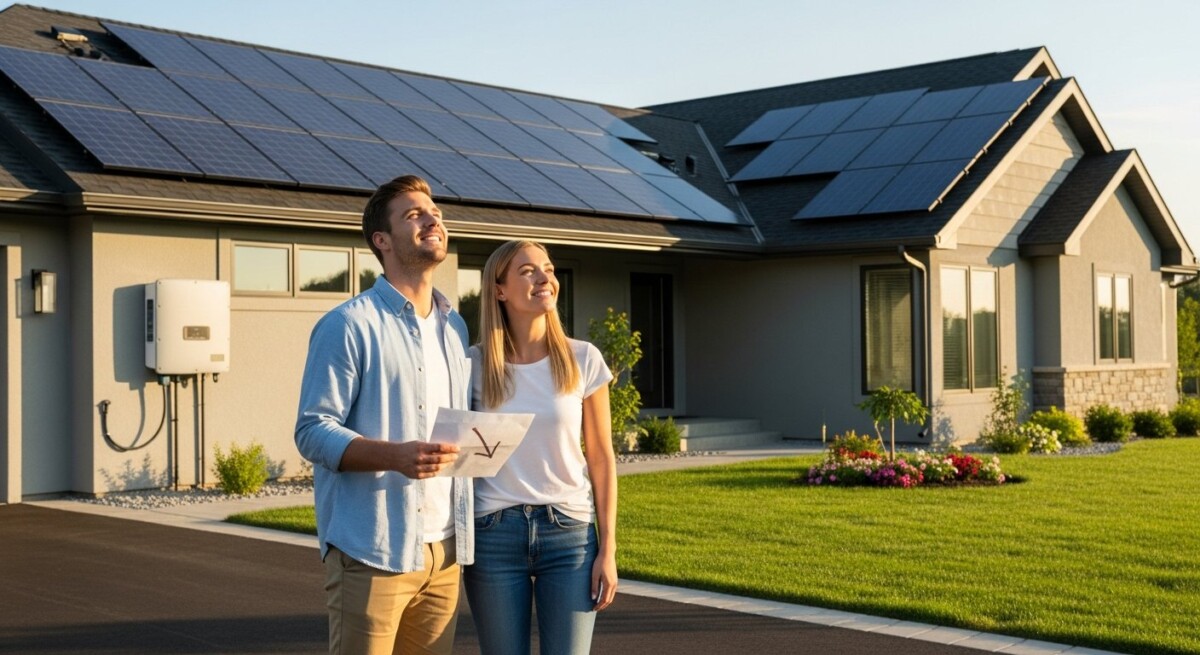
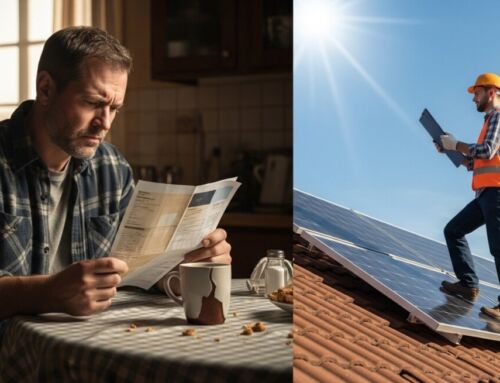
You’ve probably noticed your electricity bills creeping up month after month. Like many homeowners, you may be searching for ways to take control of those rising costs. That’s why more and more people are turning to solar for first time homeowners,a practical solution that promises lower energy bills and greater independence from the power grid.
Understanding Solar for First Time Homeowners
Solar energy simply means capturing sunlight and converting it into electricity for your home. Solar panels, also called photovoltaic (PV) panels, sit on your roof or in your yard and absorb sunlight throughout the day. An inverter then changes that direct current (DC) electricity into the alternating current (AC) electricity your home uses.
More homeowners are considering solar because the technology has become more affordable and reliable than ever. With federal tax credits, state rebates, and net metering programs, the upfront cost has dropped significantly. Plus, solar panels can last 25 to 30 years with minimal maintenance.
How Solar Panels Work on Your Home
When sunlight hits a solar panel, it knocks electrons loose from silicon cells, creating a flow of electricity. That electricity travels through wiring to an inverter, which makes it usable for your lights, appliances, and devices. Any extra power you generate can often be sent back to the grid for credits on your bill.
Why Solar Energy Is Becoming More Popular
Electricity rates have been rising steadily across the country, and experts expect that trend to continue. By installing solar panels, you can lock in a lower, predictable energy cost for decades. This stability is especially appealing for first-time homeowners building their budgets.
Environmental concerns also play a big role. Solar power produces no greenhouse gas emissions while operating, helping you shrink your carbon footprint. At the same time, the long-term financial savings make solar an attractive investment.
If you are considering solar power for your home, comparing installation quotes can help you understand your options. Request a free solar quote or call 844-245-7950 to learn more.
Common Questions Homeowners Have About Solar
Many first-time solar shoppers worry about installation cost. The truth is that prices have dropped by more than 60% over the last decade, and financing options like solar loans and leases make it accessible. Roof suitability is another concern,most roofs work fine, but a professional assessment will confirm your home’s readiness.
System performance questions are also common. Solar panels still produce electricity on cloudy days, just at a reduced rate. Modern systems also include monitoring tools so you can track your energy production in real time.
- How much does a solar system cost for an average home?
- Will solar panels work on my roof type or age?
- What happens during a power outage?
- How long does installation take?
- Do I need to clean the panels regularly?
- Can I add batteries later for backup power?
How Solar Panel Installation Works
The solar installation process is straightforward when you work with a professional installer. It starts with a home energy assessment to review your electricity usage, roof condition, and sunlight exposure. Based on that data, the installer designs a system sized to meet your needs.
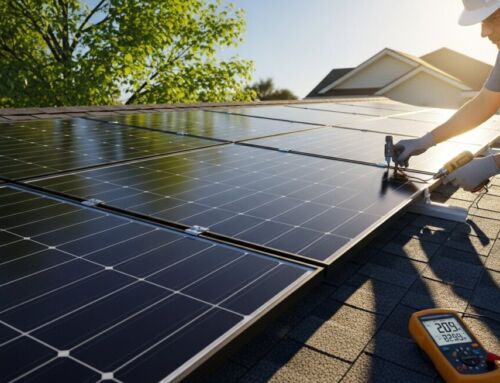
Once you approve the design, the installer handles all permits and approvals with your local utility and city. Then the physical installation,mounting panels, running wiring, and connecting the inverter,usually takes one to three days. After a final inspection, the system is activated and starts producing power.
- Home energy assessment and usage review
- System design and equipment selection
- Permits and utility approvals
- Panel installation and electrical work
- Final inspection and system activation
Speaking with experienced installers can help you determine the best solar solution for your home. Compare solar quotes here or call 844-245-7950 to explore available options.
Signs Your Home May Be Ideal for Solar
Not every home is a perfect fit, but many are. The most important factor is sunlight exposure,a south-facing roof with little shade from trees or buildings is ideal. High electricity bills also make solar more worthwhile because your system will pay for itself faster.
Suitable roof space is another key indicator. A typical system needs about 300 to 500 square feet of unshaded roof area. If you plan to stay in your home for at least five to seven years, the financial returns become very attractive.
- Strong, direct sunlight for most of the day
- High monthly electricity bills above $100
- South-facing roof with minimal shading
- Roof in good condition with at least 10 years of life left
- Plans to stay in your home long-term
What Affects Solar Installation Costs
System size is the biggest cost driver,a larger system that covers more of your electricity use will cost more upfront. Equipment quality also matters; premium panels and inverters are more efficient but come at a higher price. Installation complexity, such as a steep roof or older electrical panel, can add labor costs.
Local incentives can dramatically lower your net cost. The federal Investment Tax Credit (ITC) currently offers a 30% tax credit on your system cost. Many states and utilities also offer additional rebates, performance payments, or solar renewable energy certificates (SRECs).
The cost of solar installation varies depending on your home and energy needs. Request personalized solar quotes or call 844-245-7950 to see what options are available.
Tips for Choosing a Reliable Solar Installer
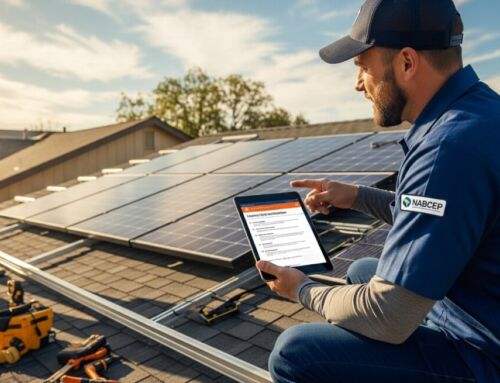
Choosing the right installer is just as important as choosing the right equipment. Look for companies with several years of experience and a strong track record in your area. Always ask about warranties,both on the panels (typically 25 years) and on the workmanship (usually 10 years).
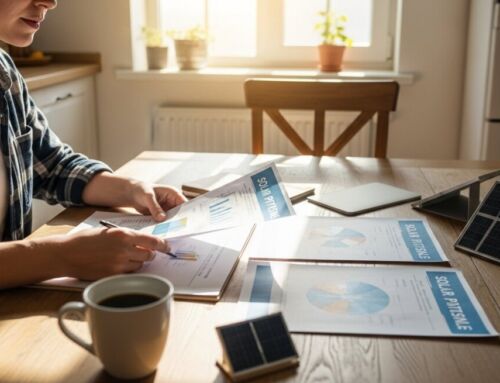
Reading customer reviews on platforms like Google, Yelp, and the Better Business Bureau can give you insight into a company’s service quality. Most importantly, compare multiple quotes to see the range of pricing, equipment, and financing options available.
- Review the installer’s experience and certifications
- Check warranty coverage for panels, inverter, and labor
- Read recent customer reviews and ask for references
- Compare at least three quotes before deciding
Long-Term Benefits of Installing Solar Panels
The most immediate benefit is lower electricity bills. Most homeowners save between $600 and $2,400 per year depending on their system size and local rates. Over 25 years, those savings can total $15,000 to $50,000 or more.
Solar also increases your home’s resale value. Studies show that homes with solar panels sell for about 4% more than comparable homes without them. You’ll also enjoy energy independence,protecting yourself from future rate hikes,and the satisfaction of reducing your environmental impact.
Frequently Asked Questions
How much does solar cost for a first-time homeowner?
The average cost of a solar system in 2025 is between $15,000 and $25,000 before incentives. After the 30% federal tax credit, that drops to roughly $10,500 to $17,500. Financing options like solar loans can spread payments over 10 to 20 years.
Will solar panels work if my roof is old or shaded?
An older roof may need replacement before installation, which adds cost. Partial shade can be managed with microinverters or power optimizers, but heavy shading significantly reduces output. A professional site assessment will tell you if your roof is ready.
How long does it take to recoup the cost of solar panels?
Most homeowners break even within 6 to 10 years. That timeline depends on your electricity rates, system cost, incentives, and how much sun your roof gets. After that, your electricity is essentially free for the remaining life of the system.
What happens to my solar system during a power outage?
Standard grid-tied solar systems shut off during an outage for safety reasons. If you want backup power, you need a solar battery system. Batteries store excess energy and let you run essential appliances when the grid goes down.
Do I need to maintain my solar panels?
Solar panels require very little maintenance. Rain usually keeps them clean enough. In dry or dusty areas, you may need to hose them off once or twice a year. Most systems also come with monitoring software to alert you of any performance issues.
Can I install solar panels myself to save money?
DIY solar is possible but risky for most homeowners. You need electrical knowledge, roof safety experience, and the ability to navigate permits and utility approvals. Professional installation includes warranties, insurance, and proper system design,often worth the extra cost.
What solar incentives are available in 2025?
The federal solar tax credit gives you 30% of your system cost back on your taxes. Many states offer additional incentives, such as rebates, property tax exemptions, or net metering. Check the Database of State Incentives for Renewables & Efficiency (DSIRE) for your area.
How do I compare solar quotes effectively?
Look at the total system cost, equipment brands and warranties, estimated annual production, and the installer’s reputation. Don’t focus solely on price,a slightly more expensive system with better panels or a stronger warranty may save you more in the long run.
Solar energy is a smart, practical investment for first-time homeowners who want to save money, gain energy independence, and help the environment. The key is to do your research and compare installation quotes from trusted professionals. Start by requesting free quotes from multiple installers to see what’s possible for your home.