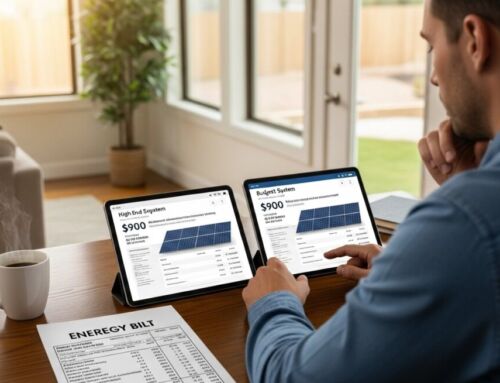
How a Solar Provider Matching System Saves You Money
Choosing the right solar installer can feel overwhelming. With hundreds of companies claiming to offer the best panels, lowest prices, and fastest installation, how do you separate genuine expertise from empty promises? A solar provider matching system solves this problem by pairing homeowners with pre-vetted, reputable installers based on their specific needs, location, and budget. Instead of spending weeks researching companies, you answer a few questions and receive curated matches from top-rated providers. This approach eliminates guesswork, reduces sales pressure, and often unlocks better pricing through volume partnerships.
At NewSolarQuote, we have seen how a structured matching process transforms the solar shopping experience. Homeowners who use a solar provider matching system typically receive three to five quotes from installers who are licensed, insured, and experienced with local permitting requirements. This not only saves time but also ensures you compare apples to apples when evaluating proposals. In this article, we will explain exactly how these systems work, what benefits they offer, and why they have become the preferred method for savvy solar shoppers across the United States.
What Is a Solar Provider Matching System?
A solar provider matching system is an online platform that connects consumers with solar installation companies. Think of it as a marketplace designed specifically for solar energy. You enter details about your home, energy usage, and preferences, and the system algorithmically matches you with installers who meet your criteria. These platforms vet participating providers for licensing, insurance, customer reviews, and industry certifications, so you do not have to do that homework yourself.
The key difference between a matching system and simply Googling “solar installers near me” is the level of curation. Search engines return results based on general relevance and advertising, but a matching system filters for quality and compatibility. For example, if you have a complex roof with multiple angles, the system can prioritize installers who specialize in challenging roof geometries. If you want a specific battery storage solution like the Tesla Powerwall, it can match you with certified installers for that product. This precision saves hours of research and reduces the risk of hiring an inexperienced contractor.
How the Matching Process Works
The typical solar provider matching system follows a straightforward, step-by-step process. First, you fill out a short form with your address, monthly electric bill, roof type, and shading conditions. Some platforms use satellite imagery to pre-fill details about your roof size and orientation. Second, the system analyzes this data alongside installer profiles to identify the best matches. Third, you receive quotes from multiple providers, often within 24 to 48 hours. Finally, you compare the proposals side by side and choose the installer that best fits your needs and budget.
A critical feature of reputable matching systems is that they do not charge you anything. Their revenue comes from installers who pay a fee for qualified leads. This means the platform’s incentive aligns with yours: it wants to send high-quality, ready-to-buy customers to installers, so it works hard to match you with the right companies. If you receive a quote and decide not to proceed, there is no penalty. You can also request additional matches if the initial options do not meet your expectations.
Why Homeowners Need a Solar Provider Matching System
The solar industry has grown rapidly, but that growth has brought challenges. According to the Better Business Bureau, solar installation complaints have increased as more companies enter the market. Common issues include poor workmanship, delays, unexpected costs, and aggressive sales tactics. A solar provider matching system acts as a safety net by only including installers with strong track records and verified credentials.
Beyond protection, these systems save significant time. Researching solar installers manually can take 10 to 20 hours. You need to read reviews, check licenses, request quotes, and compare equipment specifications. A matching system compresses that timeline into under an hour. It also provides standardized quotes that make comparison easier. Instead of deciphering five different proposal formats, you see the key metrics side by side: system size, panel brand, inverter type, warranty terms, and total cost.
Here are the primary benefits that homeowners consistently report after using a solar provider matching system:
- Access to pre-screened, licensed, and insured installers only
- Multiple quotes delivered in 24 to 48 hours for easy comparison
- Transparent pricing with no hidden fees or high-pressure sales tactics
- Ability to filter by specific equipment brands, financing options, or installation timelines
- Free service with no obligation to purchase
These advantages explain why more than 40 percent of residential solar customers now use some form of online matching or comparison platform. The convenience and peace of mind are difficult to replicate through traditional research methods. Additionally, because these platforms aggregate demand, they often negotiate better pricing with installers, which can translate into savings of 10 to 20 percent compared to going directly to a company.
Key Features to Look for in a Matching System
Not all solar provider matching systems are created equal. To get the best experience, you should look for platforms that prioritize transparency, quality, and user control. The following features distinguish excellent systems from mediocre ones.
First, the platform should verify installer credentials before allowing them to participate. Look for systems that require proof of general liability insurance, workers’ compensation, and state licensing. Some platforms also check for manufacturer certifications from brands like SunPower, LG, or Enphase, which indicate advanced training. Second, the best systems provide detailed installer profiles with customer reviews, years in business, and number of completed installations. This transparency helps you make an informed decision.
Third, the platform should offer flexible quote customization. You should be able to request quotes for different scenarios: a standard grid-tied system, a system with battery backup, or a system with premium panels. The matching algorithm should account for these preferences. Fourth, look for a system that includes financing options within the quotes. Solar loans, leases, and power purchase agreements (PPAs) have different terms, and seeing them side by side simplifies the financial decision.
What to Avoid in a Matching Platform
Just as there are excellent matching systems, there are also low-quality ones that may waste your time. Avoid platforms that share your contact information with multiple installers without your consent. Some systems send your details to five or six companies simultaneously, leading to a flood of phone calls and emails. Reputable systems send your information only to the matched providers and allow you to control communication preferences.
Also, be wary of platforms that show only one or two quotes. A true matching system provides multiple options so you can compare. If you receive only one quote, you lose the competitive pressure that drives better pricing. Finally, avoid systems that do not display installer reviews or complaint history. Transparency is essential for trust, and any platform that hides this information is not serving your best interests.
How to Use a Solar Provider Matching System Effectively
To get the most out of a solar provider matching system, start by gathering your energy usage data. Find your annual kilowatt-hour (kWh) consumption from your utility bill. The system will use this to calculate the system size you need. If you have a recent electric bill, that is usually sufficient. If you want a more precise estimate, some platforms can access your utility data directly with your permission.
Next, be honest about your roof condition and shading. If your roof needs replacement within the next five years, it is better to address that before installing solar. The matching system can prioritize installers who offer roofing services or coordinate with a roofer. Similarly, if you have large trees casting shade, the system can match you with companies experienced in shade analysis and microinverter or optimizer solutions.
When you receive your quotes, compare them using these criteria:
- Total system cost before and after incentives
- Panel brand, efficiency, and warranty
- Inverter type (string, microinverter, or power optimizer)
- Installation timeline and warranty terms
- Financing options and interest rates
After comparing, schedule virtual or in-person consultations with your top two or three choices. Ask specific questions about their installation process, how they handle permitting, and what happens if there are unexpected issues. A good installer will welcome these questions and provide clear answers. If an installer is evasive or pushy, that is a red flag, and you have other options from your matches.
One important note: do not feel pressured to decide immediately. A solar provider matching system gives you the power of choice. Take a few days to review the proposals, check references, and confirm financing terms. Most installers will honor their quotes for 30 days, so there is no rush. The goal is to find an installer you trust at a price that works for your budget.
Real-World Examples of Matching System Success
Consider a homeowner in Phoenix, Arizona, who wanted to go solar but was overwhelmed by the number of local installers. She used a solar provider matching system and received three quotes within 48 hours. The first quote was from a large national company, the second from a mid-sized regional installer, and the third from a small local business. By comparing them, she discovered that the local installer offered a better warranty and used higher-efficiency panels for the same price as the national company. She saved approximately $4,000 compared to the national company’s initial quote.
In another case, a family in Raleigh, North Carolina, wanted solar plus battery storage. Their matching system connected them with three installers certified for the specific battery they wanted. Two of the three installers provided detailed energy modeling that showed the battery would cover their critical loads during outages. The third installer gave a vague proposal without modeling. The family chose one of the detailed installers and later reported that the system performed exactly as modeled during a power outage. For those researching options in similar regions, our guide on how to save on energy costs with top solar providers in Charlotte, North Carolina offers additional insights into selecting qualified installers in the Southeast.
These stories highlight a common theme: the matching system did not just provide quotes; it provided the information and confidence needed to make a smart decision. The homeowners felt in control of the process rather than being sold to. That sense of empowerment is the core value of a well-designed matching platform.
Common Misconceptions About Solar Provider Matching Systems
Some homeowners worry that using a matching system means they will get lower-quality installers or that the platform will favor certain companies. In reality, reputable systems are impartial. They use objective criteria like licensing, customer ratings, and geographic coverage to generate matches. The platform’s success depends on customer satisfaction, so it has no incentive to promote underperforming installers.
Another misconception is that matching systems only work for simple, standard installations. Modern platforms handle complex scenarios including tile roofs, flat roofs, ground mounts, and systems with multiple inverters or batteries. They also accommodate commercial properties and new construction. If your project has unique requirements, the system can flag those needs and match you with specialists.
Finally, some people believe they can get a better price by negotiating directly with a single installer. While direct negotiation can work, it often requires significant leverage and knowledge. A matching system provides that leverage automatically because installers know you are comparing multiple quotes. This competitive dynamic usually results in lower prices than going it alone.
The Future of Solar Provider Matching
As artificial intelligence and data analytics improve, solar provider matching systems will become even more precise. Future systems may use real-time satellite imagery to assess roof condition, shading, and structural integrity without requiring a site visit. They could also integrate with smart home energy management systems to provide hyper-personalized quotes based on actual consumption patterns.
We also expect to see tighter integration with financing platforms. Instead of getting separate quotes for equipment and loans, homeowners will see fully packaged proposals with pre-approved financing terms. This one-stop-shop experience will further reduce friction and accelerate solar adoption. For now, the current generation of matching systems already delivers enormous value by simplifying research, ensuring quality, and saving money.
If you are considering solar energy for your home, starting with a solar provider matching system is the smartest first step. It protects you from bad actors, saves you time, and puts you in the driver’s seat. At NewSolarQuote, we recommend this approach to every homeowner we work with. The combination of convenience, transparency, and cost savings makes it the clear choice for modern solar shopping.
Take the first step today. Gather your utility bill, visit a trusted matching platform, and see what quotes come back. You might be surprised at how quickly the process moves and how much money you can save. Solar energy is a long-term investment in your home and the planet, and choosing the right installer is the most important decision you will make. A solar provider matching system helps you get that decision right.