Compare Solar Installers to Save on Electricity Bills
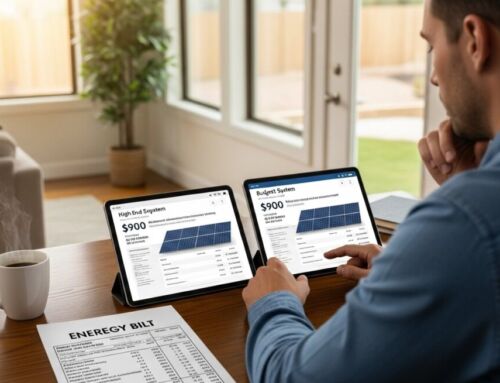
You open your monthly electricity bill and notice it has crept up again. For many homeowners, rising energy costs are becoming harder to ignore. That is why more people are searching for a solar installer comparison marketplace to find affordable ways to generate their own power. Reducing your dependence on the power grid while cutting monthly expenses sounds appealing, and solar energy makes that possible.
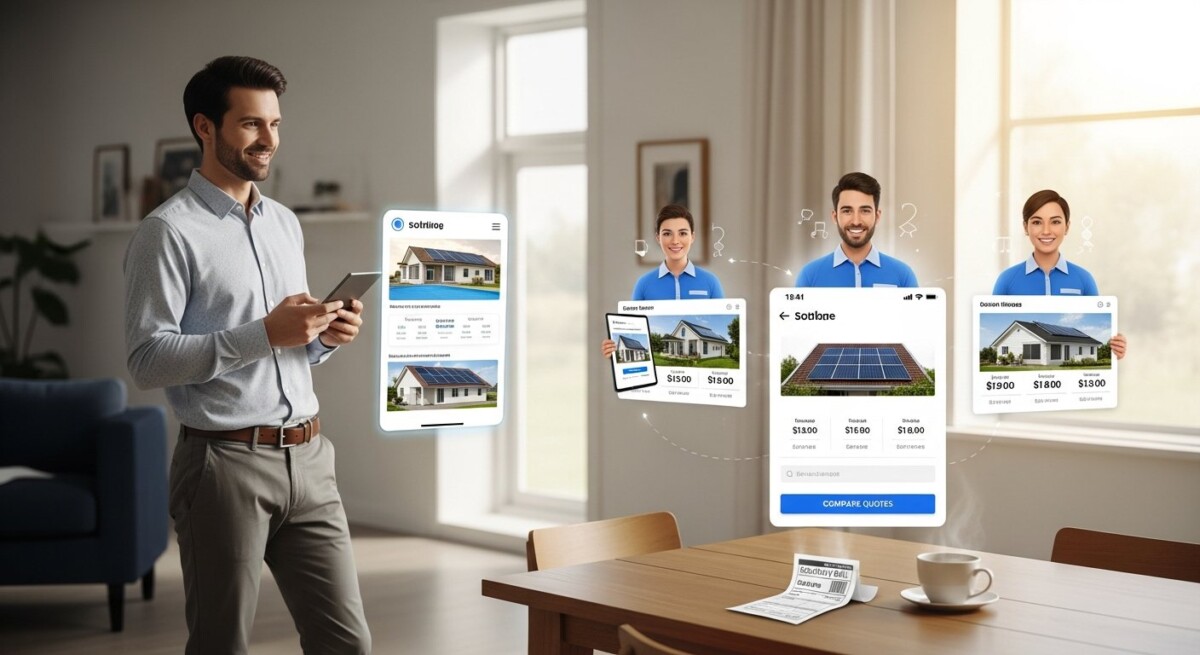
A solar installer comparison marketplace is exactly what it sounds like: an online platform where you can review multiple solar installation companies side by side. Instead of calling each installer individually, you fill out one form with your home details and energy usage. The marketplace then connects you with several pre-screened, local installers who provide custom quotes tailored to your property. This approach saves time, lets you compare pricing and equipment, and helps you make an informed decision without pressure.
Understanding solar installer comparison marketplace
A solar installer comparison marketplace is a digital service that aggregates offers from multiple solar companies so you can evaluate them in one place. You provide basic information about your home, such as your roof size, current electricity usage, and shading conditions. The marketplace then shares that information with several partner installers who return detailed proposals, including system size, equipment brands, estimated energy production, and total cost.
The process works because the marketplace handles the legwork of finding reputable installers. You receive three to five quotes within a few days, often without any obligation to buy. By comparing these offers, you can see which installer offers the best value, longest warranty, or highest efficiency panels. This transparency is why more homeowners are turning to these platforms before signing a contract.
Why Solar Energy Is Becoming More Popular
Electricity rates have risen steadily across the United States over the past decade. According to the U.S. Energy Information Administration, residential electricity prices increased by more than 15% in some regions between 2020 and 2024. Homeowners feel that pinch every month and look for ways to stabilize their energy costs. Solar panels allow you to generate your own electricity, shielding you from future rate hikes.
Environmental concerns also drive interest in solar. Reducing your carbon footprint by using clean, renewable energy feels good and helps combat climate change. Additionally, the long-term savings are hard to ignore. A typical residential solar system pays for itself within 6 to 10 years through lower utility bills, then continues to produce free electricity for another 15 to 20 years. That combination of financial and environmental benefits makes solar an attractive investment.
If you are considering solar power for your home, comparing installation quotes can help you understand your options. Request a free solar quote or call to learn more.
Common Questions Homeowners Have About Solar
Many homeowners hesitate because they worry about the upfront cost of solar panels. While a complete system can cost $15,000 to $25,000 before incentives, federal tax credits and state rebates significantly reduce that price. Most installers also offer financing options, so you can start saving immediately with little or no money down.
Another common concern is whether your roof can support solar panels. A professional installer will evaluate your roof’s age, material, angle, and shading to determine suitability. Most asphalt shingle roofs in good condition work fine. Finally, homeowners ask about system performance on cloudy days or during winter. Modern panels still generate electricity in diffuse light, and net metering programs let you earn credits for excess power sent to the grid.
- How much does solar cost after incentives?
- Will solar work on my roof?
- What happens during a power outage?
- How long do solar panels last?
- Do I need a battery with my system?
- How much maintenance is required?
How Solar Panel Installation Works
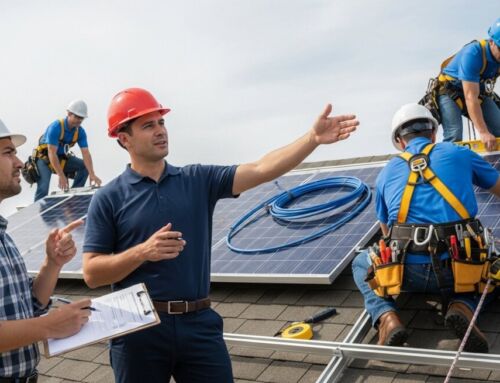
Solar installation follows a straightforward process that typically takes one to three months from start to finish. First, a solar company performs a home energy assessment to review your electricity bills and evaluate your roof. They measure your available roof space, check for shading, and determine the optimal panel orientation.
Next, the installer designs a custom system and handles permits with your local government and utility company. Once approved, a crew installs the mounting hardware, panels, inverter, and wiring on your roof. The final step is system activation and interconnection with the grid, after which you start generating power immediately.
- Home energy assessment and solar site evaluation
- System design and equipment selection
- Permitting and utility approvals
- Panel and inverter installation
- Inspection, interconnection, and system activation
Speaking with experienced installers can help you determine the best solar solution for your home. Compare solar quotes here or call to explore available options.
Signs Your Home May Be Ideal for Solar
Not every home is a perfect candidate, but most homes can benefit from solar panels. The most important factor is strong, direct sunlight exposure on your roof for most of the day. South-facing roofs with little to no shading produce the highest energy yields, but east and west-facing roofs also work well.
If your monthly electricity bills are consistently high, solar can provide significant savings. A home with a large roof area also gives you more flexibility to install a system that covers most or all of your energy usage. Finally, if you plan to stay in your home for at least five more years, you will fully capture the financial returns of your solar investment.
- Your roof faces south, east, or west with minimal shade
- You pay $100 or more per month for electricity
- Your roof is less than 10 years old and in good condition
- You have at least 300 square feet of unobstructed roof space
- You plan to stay in your home for the next 5 to 10 years
- Your local utility offers net metering or solar incentives
What Affects Solar Installation Costs
The total cost of a solar system depends on several variables. System size, measured in kilowatts (kW), is the biggest driver. A larger system that covers more of your energy usage costs more upfront but yields greater long-term savings. Equipment quality also matters: high-efficiency panels and premium inverters cost more but produce more power over their lifespan.
Installation complexity can increase labor costs. A simple, single-story roof with easy attic access is cheaper to install than a steep, multi-story roof with tile or slate. Local incentives also affect your net cost. The federal Investment Tax Credit (ITC) currently offers a 30% tax credit on the total system cost. Many states and utilities add rebates or performance-based incentives that further reduce your out-of-pocket expense.
The cost of solar installation varies depending on your home and energy needs. Request personalized solar quotes or call to see what options are available.
Tips for Choosing a Reliable Solar Installer
Choosing the right installer is just as important as choosing the right equipment. A reputable company will have years of experience, proper licensing, and a strong track record of completed installations. Always ask for references and check online reviews on platforms like the Better Business Bureau and Google.
Warranties are another critical factor. Look for a 25-year performance warranty on the panels and at least a 10-year workmanship warranty on the installation. Reading customer reviews helps you understand how the company handles service calls and maintenance. Most importantly, compare multiple quotes to see which installer offers the best combination of price, equipment, and support.
- Verify the installer’s license, insurance, and certifications
- Request at least three detailed quotes for comparison
- Read recent customer reviews and ask for local references
- Check the warranty terms for panels, inverter, and workmanship
- Ask about financing options and the total cost after incentives
Long-Term Benefits of Installing Solar Panels
Installing solar panels reduces your electricity bills every month for 25 years or more. In our guide on Compare Local Solar Installers for Maximum Savings, we explain how comparing quotes helps you lock in the best long-term value. Over the system’s lifetime, you can save tens of thousands of dollars that would otherwise go to your utility company.
Solar panels also increase your home’s resale value. Studies from Zillow and Lawrence Berkeley National Laboratory show that homes with solar sell for about 4% more than comparable homes without it. Additionally, generating your own clean energy reduces greenhouse gas emissions, contributing to a healthier planet. Energy independence means you rely less on the grid and are less affected by blackouts or rate increases.
How long does it take to recoup the cost of solar panels?
Most homeowners recover their initial investment within 6 to 10 years through lower electricity bills. After the payback period, the electricity your panels produce is essentially free. With a 25-year warranty on most panels, you can enjoy two decades or more of savings.
What solar incentives are available in 2025?
The federal Investment Tax Credit (ITC) offers a 30% tax credit on the total cost of your solar system. Many states, such as California, New York, and Massachusetts, offer additional rebates or tax credits. Some utilities also provide net metering, which credits you for excess power sent to the grid.
Do solar panels work during a power outage?
Standard grid-tied solar systems shut down during a blackout for safety reasons. If you want backup power, you need a solar battery like the Tesla Powerwall or LG Chem. A battery stores excess energy for use when the grid is down.
How much maintenance do solar panels require?
Solar panels require very little maintenance. Rain usually keeps them clean, but in dusty areas, occasional hosing down helps. Most installers recommend an annual inspection to check wiring and connections. The panels themselves have no moving parts, so they rarely fail.
Will solar panels damage my roof?
When installed correctly by a professional, solar panels actually protect the roof area underneath them from weather exposure. Installers use flashing and sealants to prevent leaks. A reputable company will also honor a roof penetration warranty.
Can I install solar panels myself to save money?
DIY solar installation is possible but not recommended for most homeowners. Improper wiring or mounting can create safety hazards, void warranties, and fail inspection. Professional installers handle permits, ensure code compliance, and provide warranties that protect your investment.
How do I know which solar panel brand is best?
The best brand depends on your budget, roof space, and efficiency needs. Tier-1 manufacturers like SunPower, LG, and REC offer high efficiency and strong warranties. A solar installer can recommend the best panel for your specific situation.
What happens if I move before my solar system is paid off?
If you own your solar system, it can increase your home’s resale value. If you leased the system, the new homeowner may assume the lease. In most cases, solar adds value and makes your home more attractive to environmentally conscious buyers.
Solar energy offers a practical path to lower electricity bills, greater energy independence, and a cleaner environment. By using a solar installer comparison marketplace, you can evaluate multiple installers and find the system that fits your home and budget. Requesting free quotes from several companies helps you avoid costly mistakes and ensures you choose a reliable partner for your solar journey.