Grid Tied vs Off Grid Solar Comparison: Which Saves More?
Every month, you open your electricity bill and wonder if there is a way to lower that number. You are not alone. Rising electricity costs have pushed many homeowners to search for a grid tied vs off grid solar comparison to understand which option helps them save more money and gain energy independence. The idea of reducing your monthly bills while helping the environment is powerful. By exploring both grid-tied and off-grid solar systems, you can make an informed decision that fits your home and budget.
Understanding grid tied vs off grid solar comparison
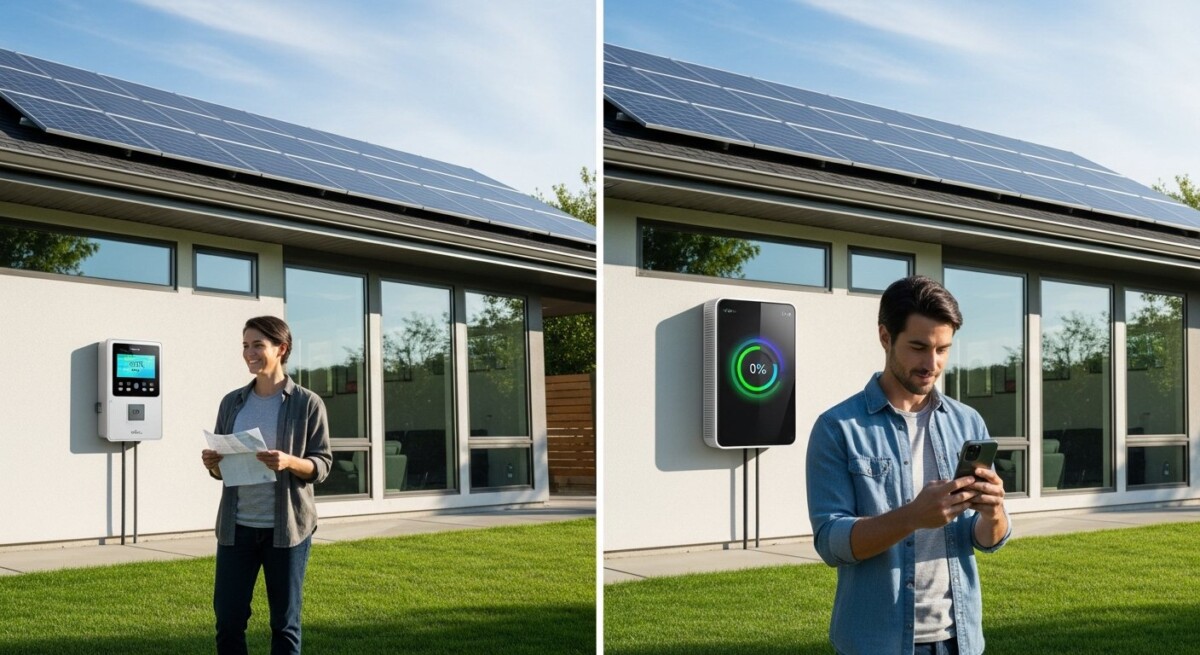
A grid-tied solar system stays connected to your local utility grid. When your panels produce more electricity than your home needs, the extra power flows back to the grid, and you earn credits on your bill through net metering. At night or on cloudy days, you simply draw power from the grid. This setup is simple, affordable, and popular among homeowners who want to reduce their bills without storing energy.
An off-grid solar system works completely independently from the utility grid. You generate all your own electricity with solar panels and store excess energy in batteries for use when the sun is not shining. This option gives you total energy independence but requires a larger upfront investment and careful energy management. More homeowners are considering off-grid systems to protect themselves from power outages and rising utility rates.
Why Solar Energy Is Becoming More Popular
Electricity prices have increased steadily over the past decade, and many homeowners expect them to keep rising. Solar panels allow you to generate your own power and lock in lower energy costs for 25 years or more. This long-term savings potential makes solar an attractive investment for families who want to stabilize their monthly expenses.
Environmental concerns also drive the shift toward solar. Burning fossil fuels for electricity releases carbon dioxide and other pollutants. Solar energy produces clean, renewable power without emissions. By installing panels, you reduce your household carbon footprint and contribute to a healthier planet. Many homeowners feel good knowing their daily energy use comes from the sun rather than coal or natural gas.
If you are considering solar power for your home, comparing installation quotes can help you understand your options. Request a free solar quote or call to learn more.
Common Questions Homeowners Have About Solar
Many homeowners worry about the upfront cost of solar panels. While installation can seem expensive, federal tax credits, state rebates, and financing options make solar more accessible than ever. The average system pays for itself within 6 to 10 years, after which you enjoy free electricity for the rest of the system’s life.
Another common concern is whether your roof is suitable for solar. Installers evaluate your roof’s age, material, angle, and shading to determine if it can support panels effectively. If your roof needs replacement soon, you can often combine both projects to save money and avoid future complications.
- How much does a solar system cost for an average home?
- Will solar panels work during cloudy weather or winter?
- How long do solar panels last and what maintenance do they need?
- Can I add battery storage to my system later?
How Solar Panel Installation Works
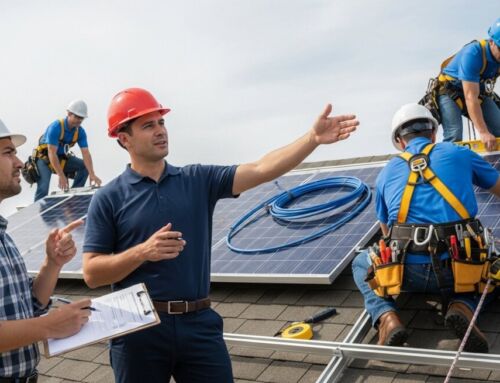
Professional installers start with a home energy assessment to understand your electricity usage and roof conditions. They review your past bills and measure your roof’s sunlight exposure to design a system that meets your needs. This step ensures you get the right size system without overpaying or underproducing.
After the design phase, the installer handles permits and approvals from your local government and utility company. Once approved, the installation team mounts the panels, connects the wiring, and sets up the inverter. The final step is system activation and a final inspection to ensure everything operates safely and efficiently.
- Home energy assessment and bill analysis
- System design tailored to your roof and usage
- Permits and approvals from local authorities
- Panel installation and electrical connections
- System activation and final inspection
Speaking with experienced installers can help you determine the best solar solution for your home. Compare solar quotes here or call to explore available options.
Signs Your Home May Be Ideal for Solar
Homes with strong, direct sunlight exposure for most of the day produce the most solar energy. South-facing roofs with minimal shading from trees or nearby buildings typically generate the highest output. If your home gets at least 4 to 5 hours of peak sunlight daily, solar panels will likely perform well for you.
High electricity bills are another strong indicator that solar can save you money. If you pay more than $100 per month for electricity, installing panels can significantly reduce or eliminate that expense. Homeowners who plan to stay in their homes for at least 5 to 7 years also benefit the most from the long-term financial returns.
- Unshaded roof area that faces south, east, or west
- Monthly electricity bills above $100
- Roof in good condition with at least 10 years of life remaining
- Plans to stay in your home for 5 years or more
What Affects Solar Installation Costs
System size is the biggest factor influencing cost. A larger system that covers 100% of your electricity usage costs more upfront but delivers greater long-term savings. Equipment quality also matters,premium panels and inverters often come with better warranties and higher efficiency, which can justify a higher price.
Installation complexity adds to the cost. Roofs with multiple angles, skylights, or complex structures require more labor and specialized mounting hardware. Local incentives and tax credits can reduce your net cost significantly, so it pays to research what rebates are available in your area before committing to a system.
The cost of solar installation varies depending on your home and energy needs. Request personalized solar quotes or call to see what options are available.
Tips for Choosing a Reliable Solar Installer
Not all solar installers offer the same quality of service or equipment. Look for companies with several years of experience and a proven track record in your area. A reliable installer will provide transparent pricing, detailed proposals, and clear timelines for the project.
Warranties protect your investment and give you peace of mind. Ask about the manufacturer warranty on panels and inverters, as well as the installer’s workmanship warranty. Reading customer reviews on platforms like Google and Solar Reviews helps you understand how each company treats its clients and handles issues after installation.
- Check the installer’s licensing, insurance, and certifications
- Compare equipment warranties and workmanship guarantees
- Read recent customer reviews and ask for references
- Request quotes from at least three different companies
Long-Term Benefits of Installing Solar Panels
Lower electricity bills are the most immediate benefit homeowners see after installing solar. Over the 25- to 30-year lifespan of a typical system, the savings can amount to tens of thousands of dollars, depending on your local electricity rates and system size. Many homeowners find that their panels pay for themselves well before the warranty expires.
Solar panels also increase your home’s resale value. Studies show that homes with solar systems sell for a premium compared to similar homes without solar. Additionally, you reduce your environmental impact by generating clean energy, and if you choose an off-grid system with battery storage, you gain true energy independence from utility rate hikes and power outages. In our guide on grid tied vs off grid solar comparison, we explain how each option affects your savings and independence.
How long do solar panels last?
Most solar panels come with a performance warranty of 25 years, and they often continue producing electricity for 30 years or more. While their output gradually decreases over time, high-quality panels still generate about 80% of their original capacity after 25 years. Regular cleaning and occasional inspections help maintain optimal performance.
Can I go off-grid with solar panels?
Yes, you can go off-grid by installing a solar system with battery storage large enough to cover your household’s electricity needs year-round. Off-grid systems require careful sizing to account for seasonal changes in sunlight and your daily energy consumption. Most homeowners find that a hybrid system with grid connection and battery backup offers the best balance of cost and reliability.
What is net metering and how does it work?
Net metering is a billing arrangement that credits you for excess electricity your solar panels send to the grid. When your system produces more power than you use, the meter runs backward, and you earn credits at the retail electricity rate. You can use those credits later when your panels are not producing enough, such as at night or during cloudy weather.
Do solar panels work during a power outage?
Standard grid-tied solar systems shut down during a power outage to protect utility workers from electrical shocks. If you want backup power during outages, you need a system with battery storage or an off-grid setup. Battery systems allow you to store excess solar energy and use it when the grid goes down.
How much can I save with solar panels?
Savings depend on your local electricity rates, system size, and available incentives. On average, homeowners save between $10,000 and $30,000 over 20 years after accounting for installation costs and tax credits. Using our solar cost calculator can give you a personalized estimate based on your address and energy usage.
What maintenance do solar panels require?
Solar panels require very little maintenance. Rain usually washes away dust and debris, but in dry climates you may need to hose them off occasionally. Inspecting the system once a year for damage or shading issues and monitoring your energy production through the inverter app helps catch problems early.
Are there government incentives for solar installation?
Yes, the federal solar tax credit allows you to deduct 30% of your solar installation costs from your federal taxes. Many states and local utilities also offer rebates, performance payments, or property tax exemptions for solar systems. These incentives can reduce your net cost by thousands of dollars and shorten your payback period.
Choosing between a grid-tied and off-grid solar system depends on your energy goals, budget, and tolerance for utility rate changes. Both options can lower your electricity bills and reduce your carbon footprint. The best way to find the right solution for your home is to compare quotes from multiple professional installers who can evaluate your property and recommend the most cost-effective setup. Start exploring your solar options today and take the first step toward energy savings and independence.