Solar for Reducing Electricity Bills: A Homeowner’s Guide
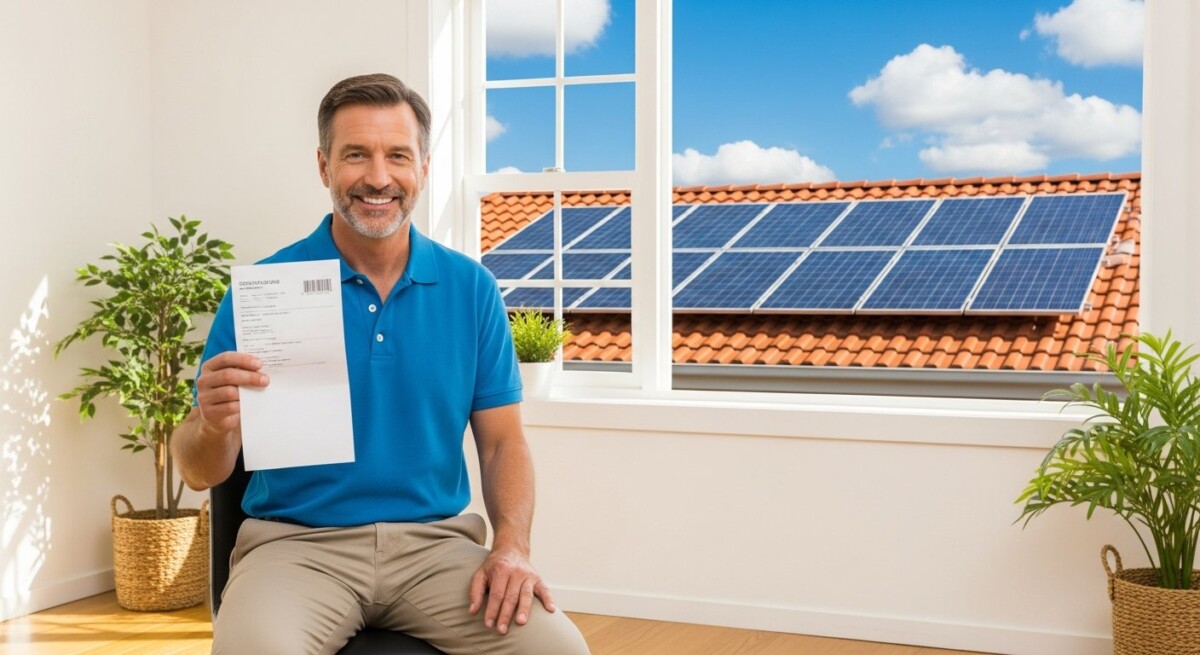
Every month, you open your electricity bill and wonder where all that money went. Air conditioning in the summer, heating in the winter, and the constant hum of appliances add up fast. That is why more homeowners are searching for solar for reducing electricity bills. Solar panels offer a way to generate your own power, cut monthly costs, and gain more control over your energy future.
Understanding Solar for Reducing Electricity Bills
Solar energy works by converting sunlight into electricity using photovoltaic (PV) panels installed on your roof. When sunlight hits the panels, it creates direct current (DC) electricity. An inverter then converts that DC power into alternating current (AC), which your home can use.
Your home stays connected to the utility grid, so you can pull power when the sun isn’t shining. But during sunny hours, your solar panels produce electricity that directly offsets what you would otherwise buy from the utility. The result is a lower monthly bill. Many homeowners see a reduction of 50 to 90 percent on their electricity costs, depending on system size and local rates.
Net metering is a key policy that makes solar even more valuable. When your panels produce more electricity than you need, the excess flows back to the grid, and your utility credits your account. Those credits then reduce the cost of power you use at night or on cloudy days.
Why Solar Energy Is Becoming More Popular
Electricity rates have risen steadily over the past decade, and they are expected to keep climbing. For homeowners, that means bigger bills every year. Solar panels act as a hedge against those rising costs by locking in a large portion of your energy supply at a fixed price,the cost of the system itself.
Environmental concerns also drive interest in solar. Generating electricity from fossil fuels releases carbon dioxide and other pollutants. By switching to solar, you reduce your household’s carbon footprint and contribute to cleaner air. This environmental benefit appeals to many families who want to leave a healthier planet for their children.
Long-term savings remain the most compelling reason. A typical solar system pays for itself in 6 to 10 years through lower electricity bills, and panels last 25 years or more. After the payback period, the electricity you produce is essentially free. That financial freedom is hard to ignore.
If you are considering solar power for your home, comparing installation quotes can help you understand your options. Request a free solar quote or call to learn more.
Common Questions Homeowners Have About Solar
Many homeowners hesitate because they are unsure about upfront costs, roof suitability, or whether solar works in their climate. These are valid concerns, and understanding the answers can help you make an informed decision.
Installation costs have dropped significantly over the past decade, and federal tax credits offset 30 percent of the total system price. Most homes have roofs that can support solar, and installers can design systems around chimneys, vents, or shading. In our guide on transforming your electric bill before and after solar panel, we explain how real homeowners have cut their costs dramatically.
- Will solar panels work during cloudy or rainy weather? Yes, panels still generate power on overcast days, though at reduced output.
- How long does installation take? Most residential installations are completed in one to three days.
- Do I need a new roof before installing solar? It is best to have a roof in good condition, but panels can be removed and reinstalled if needed later.
- What happens if I move? Solar panels can increase home resale value, and many buyers appreciate lower electricity bills.
- Are there financing options? Yes, many installers offer loans, leases, and power purchase agreements (PPAs).
- Will solar work with my current electrical panel? In most cases yes, but an electrician may need to upgrade older panels.
How Solar Panel Installation Works
The installation process is straightforward when you work with a professional installer. It begins with a home energy assessment to evaluate your roof, shading, and current electricity usage. The installer uses this data to design a system that meets your needs.
Once you approve the design, the installer handles permits and approvals from your local utility and building department. This step ensures the system meets safety and grid connection requirements. Then the physical installation takes place, usually over a day or two.
- Home energy assessment , An installer inspects your roof, measures sunlight exposure, and reviews your past electricity bills.
- System design , Using the assessment data, the installer creates a custom solar layout with the right number of panels and inverter type.
- Permits and approvals , The installer submits paperwork to your city or county and your utility company for interconnection approval.
- Panel installation , Crews mount racking on your roof, attach the panels, and connect the wiring to your electrical panel.
- System activation , After final inspection and utility approval, the system is turned on and begins generating power.
Speaking with experienced installers can help you determine the best solar solution for your home. Compare solar quotes here or call to explore available options.
Signs Your Home May Be Ideal for Solar
Not every home is perfectly suited for solar, but many are. The best candidates have a south-facing roof with little to no shade from trees or nearby buildings. Even east- or west-facing roofs can work well, though they may produce slightly less energy.
If your electricity bills are consistently high, solar can provide immediate relief. Homes with large families, electric vehicles, or pool pumps tend to benefit the most because they use more power during daylight hours. Also, if you plan to stay in your home for at least five more years, the long-term savings will likely exceed the upfront investment.
- Your roof gets strong sunlight for most of the day, especially between 9 a.m. and 3 p.m.
- Your monthly electricity bills average $100 or more.
- You have at least 300 square feet of unshaded roof space.
- Your roof is in good condition and less than 15 years old.
- You plan to stay in your home for five years or longer.
- Your utility offers net metering or other solar-friendly policies.
What Affects Solar Installation Costs
Solar system prices vary based on several factors, and understanding them helps you evaluate quotes. The size of the system, measured in kilowatts (kW), is the biggest driver. A larger system that covers more of your electricity usage will cost more upfront but save more over time.
Equipment quality also matters. Premium panels with higher efficiency cost more but produce more power per square foot. Similarly, microinverters or power optimizers add cost but improve performance when panels face different directions or experience partial shade. Installation complexity, such as a steep roof or multiple stories, can increase labor costs.
Local incentives can significantly lower your net cost. The federal Investment Tax Credit (ITC) allows you to deduct 30 percent of the system price from your federal taxes. Many states and utilities offer additional rebates, performance payments, or property tax exemptions. These incentives make solar more affordable for the average homeowner.
The cost of solar installation varies depending on your home and energy needs. Request personalized solar quotes or call to see what options are available.
Tips for Choosing a Reliable Solar Installer
Choosing the right installer is just as important as choosing the right equipment. A reputable company will guide you through the process, handle permits, and stand behind their work. Taking the time to vet installers can save you headaches and money down the road.
Start by asking for recommendations from neighbors or friends who have gone solar. Then gather quotes from at least three different companies. This lets you compare pricing, equipment, and warranty terms side by side. Beware of any installer who pressures you to sign immediately or offers a deal that seems too good to be true.
- Review the installer’s experience and ask how many installations they have completed.
- Check warranties on panels (typically 25 years), inverters (10 to 25 years), and workmanship (at least 10 years).
- Read customer reviews on Google, Yelp, or the Better Business Bureau.
- Compare multiple quotes to see what each company includes in the price.
- Ask about financing options and whether the installer offers a production guarantee.
- Verify that the installer is licensed, bonded, and insured in your state.
Long-Term Benefits of Installing Solar Panels
The most obvious benefit is lower electricity bills every month. Once your system is paid off, your electricity costs drop to near zero for the remaining life of the panels. Over 25 years, that can amount to tens of thousands of dollars in savings, depending on your local utility rates.
Solar panels also increase your home’s value. Studies show that homes with solar sell for a premium compared to similar homes without it. Buyers recognize the value of lower utility bills and are often willing to pay more. Additionally, solar provides energy independence by reducing your reliance on the grid during price spikes or outages when paired with battery storage.
On the environmental side, a typical residential solar system offsets about three to four tons of carbon dioxide per year. That is equivalent to planting over 100 trees annually. For homeowners who care about sustainability, solar offers a tangible way to make a difference without sacrificing comfort or convenience.
How long does it take for solar panels to pay for themselves?
Most homeowners recoup their investment in 6 to 10 years through lower electricity bills. The exact payback period depends on system cost, local electricity rates, available incentives, and how much sun your roof receives. After the payback period, you enjoy free electricity for the remaining life of the panels.
Do solar panels work during a power outage?
Standard grid-tied solar systems shut off during a power outage for safety reasons. If you want backup power during blackouts, you need a solar battery system or a hybrid inverter that can island your home from the grid. Batteries add cost but provide energy independence.
What maintenance do solar panels require?
Solar panels are low maintenance. Rain usually washes away dust and debris. You may need to clean them once or twice a year in dry or dusty climates. Most installers recommend an annual inspection to check wiring, mounts, and inverter performance.
Will solar panels damage my roof?
Properly installed solar panels do not damage your roof. Installers use flashing and sealants to prevent leaks. In fact, panels can protect the roof area they cover from sun and rain. Always hire a certified installer to ensure correct mounting.
Can I install solar panels myself to save money?
DIY solar is possible, but it comes with risks. You must handle electrical work, roof penetrations, and permitting correctly. Mistakes can void warranties, cause leaks, or create fire hazards. Most homeowners benefit from professional installation and the warranties that come with it.
How much can I really save on my electricity bill with solar?
Savings vary, but many homeowners cut their bills by 50 to 90 percent. If your monthly bill averages $150, you could save $900 to $1,620 per year. Over 25 years, that adds up to $22,500 to $40,500 in savings, not accounting for future rate increases.
Do I need a solar battery to save money?
No, a battery is not required to save money. Net metering allows you to send excess power to the grid and draw it back later at no extra cost. Batteries are useful for backup power or if your utility has time-of-use rates, but they are not necessary for basic bill reduction.
What happens if I sell my home before the solar system is paid off?
You can include the remaining loan balance in the home sale price or transfer the lease or PPA to the new owner. Many buyers see solar as a valuable upgrade, and studies show homes with solar sell faster and for a higher price than comparable homes without it.
Solar panels offer a proven way to reduce your electricity bills, increase home value, and lower your environmental footprint. The key to a successful solar project is working with a trusted installer and comparing multiple quotes to find the best system for your needs. Start your research today by reaching out to local professionals and seeing how much you could save.