Solar Battery Storage Explained: How It Saves You Money
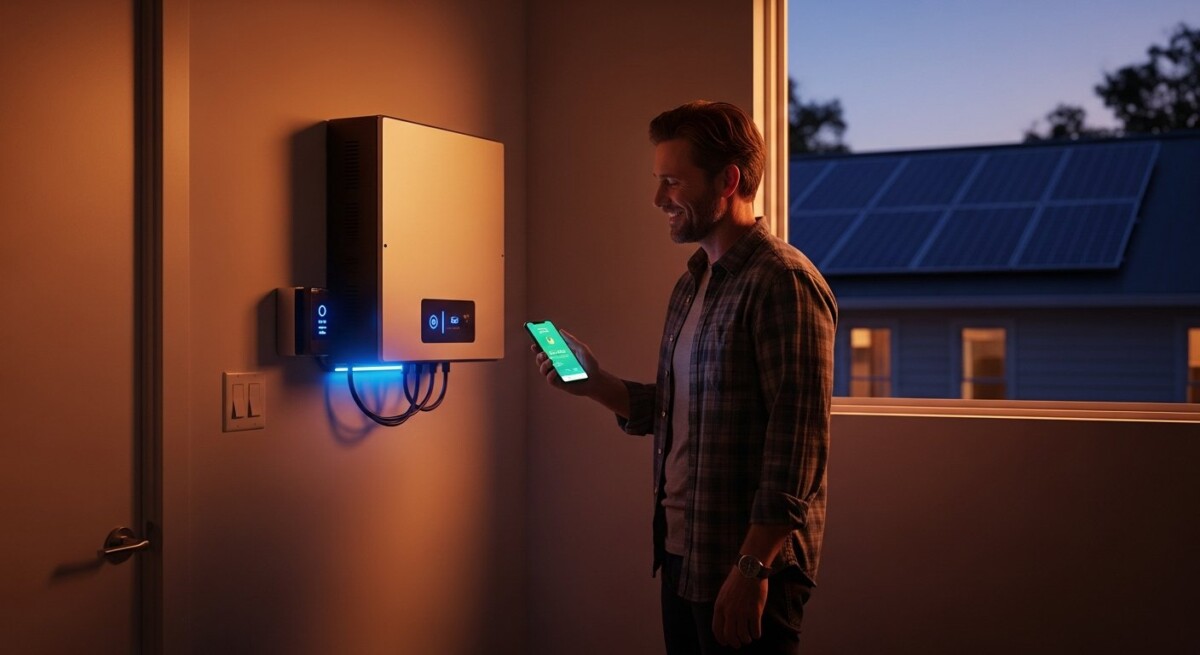
You open your monthly electricity bill and feel a familiar sting. Rates keep climbing, and you wonder if there’s a smarter way to power your home. That’s why so many homeowners are searching for “solar battery storage explained” , they want to reduce energy bills and become less dependent on the grid. Understanding how solar batteries work is the first step toward taking control of your energy future.
Understanding Solar Battery Storage Explained
Solar battery storage allows you to store excess electricity generated by your solar panels during the day. Instead of sending that extra power back to the grid, you keep it for use at night, during cloudy weather, or when utility rates are highest. This simple shift can dramatically lower your monthly energy costs.
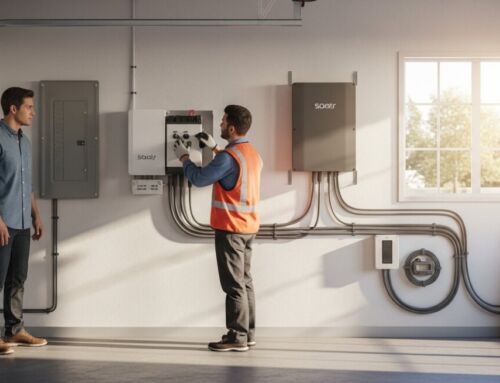
Think of a solar battery as a rechargeable energy bank. When the sun is shining, your panels produce electricity. Your home uses what it needs, and the surplus charges the battery. Later, when the sun goes down or a storm rolls in, your battery automatically supplies stored power to your home. Many modern systems include smart inverters that manage this flow seamlessly , in our guide on inverters and battery storage, we explain how these components work together to maximize savings.
More homeowners are choosing battery storage because it offers both financial and practical benefits. You protect yourself from rising utility rates, gain backup power during outages, and increase your home’s energy independence. It’s an investment that pays back year after year.
Why Solar Energy Is Becoming More Popular
Electricity prices have risen steadily across the United States, and many homeowners are tired of unpredictable bills. Solar energy offers a way to lock in lower, more predictable energy costs for decades. With federal and state incentives, the upfront cost has become more accessible than ever.
Environmental concerns also drive the shift. Solar power produces clean, renewable energy that reduces your household’s carbon footprint. By generating your own electricity, you help decrease reliance on fossil fuels and contribute to a healthier planet for future generations.
Long-term savings are perhaps the most compelling reason. A well-designed solar system with battery storage can pay for itself within 5 to 10 years, then provide essentially free electricity for another 15 to 20 years. That’s thousands of dollars returned to your pocket over the system’s lifetime.
If you are considering solar power for your home, comparing installation quotes can help you understand your options. Request a free solar quote or call to learn more.
Common Questions Homeowners Have About Solar
Many homeowners worry about the initial installation cost. While the upfront price can seem high, financing options, tax credits, and local rebates can reduce the net cost significantly. Over time, the savings on your electric bill more than cover the investment.
Roof suitability is another common concern. Solar panels work best on roofs with good sun exposure, but professional installers can assess your specific situation. Even roofs with some shading or unusual angles can often accommodate panels with careful design.
- Will solar panels work on my roof?
- How much does a typical system cost?
- What happens during a power outage?
- How long do solar batteries last?
- Do I need to replace my roof first?
- What maintenance is required?
How Solar Panel Installation Works
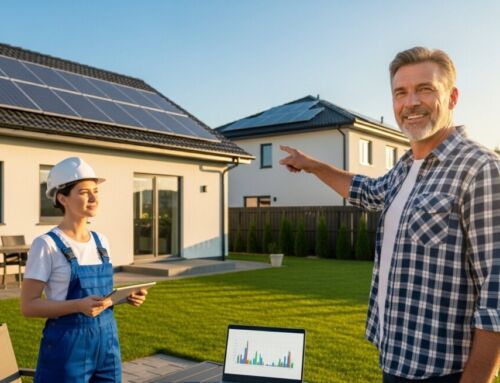
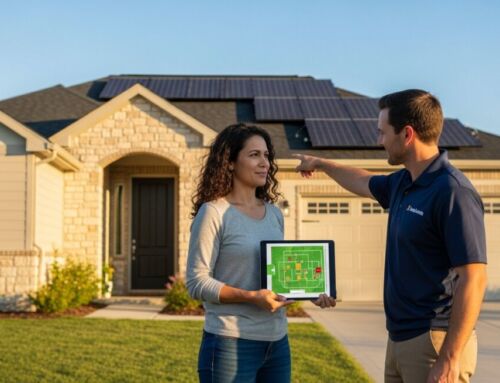
The installation process begins with a home energy assessment. A certified installer reviews your electricity usage, roof condition, and sunlight exposure to design a system that meets your needs. This step ensures your solar array will generate enough power to offset your bills.
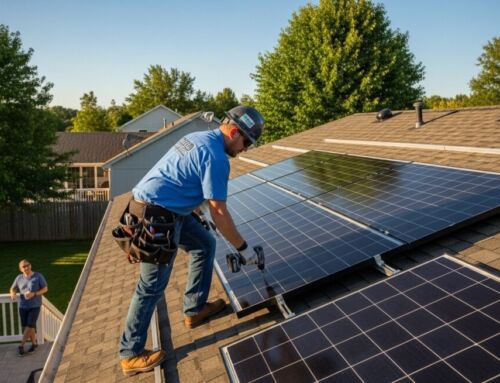
Next comes system design and permitting. The installer creates a custom layout, selects appropriate panels and batteries, and handles all necessary permits with your local utility and building department. Once approved, the physical installation typically takes one to three days.
- Home energy assessment
- System design and equipment selection
- Permits and approvals
- Panel and battery installation
- System activation and monitoring setup
Speaking with experienced installers can help you determine the best solar solution for your home. Compare solar quotes here or call to explore available options.
Signs Your Home May Be Ideal for Solar
Homes with south-facing roofs that receive direct sunlight for most of the day are prime candidates for solar. Even east- or west-facing roofs can work well, especially with modern high-efficiency panels. If your roof is less than 10 years old and in good condition, you’re likely ready for solar.
High electricity bills are a clear indicator that solar could save you money. If you pay more than $100 per month on average, a properly sized system can reduce or even eliminate that expense. Homeowners who plan to stay in their home for at least five years benefit the most from the long-term savings.
- Your roof gets at least 4,5 hours of direct sunlight daily
- You pay high electricity rates or have rising bills
- You have sufficient roof space (typically 300,500 square feet)
- You plan to stay in your home for 5+ years
- Your local utility offers net metering or battery incentives
What Affects Solar Installation Costs
System size is the biggest cost driver. A larger system that covers 100% of your electricity needs will cost more upfront but deliver greater long-term savings. Battery storage adds to the initial investment but provides backup power and increased energy independence.
Equipment quality also matters. Premium panels and batteries often come with longer warranties and better performance, especially in low-light conditions. Installation complexity , such as roof type, height, and electrical panel upgrades , can affect labor costs as well.
The cost of solar installation varies depending on your home and energy needs. Request personalized solar quotes or call to see what options are available.
Tips for Choosing a Reliable Solar Installer
Start by reviewing each installer’s experience and certifications. Look for companies with NABCEP (North American Board of Certified Energy Practitioners) certification and a proven track record in your area. Experience matters when it comes to proper system design and trouble-free installation.
Check warranty coverage carefully. A good installer offers at least a 10-year workmanship warranty, while solar panels typically come with 25-year performance guarantees. Battery warranties usually cover 10 years or a certain number of cycles.
- Review installer experience and certifications
- Check equipment and workmanship warranties
- Read customer reviews and ask for references
- Compare at least three detailed quotes
- Ask about financing and incentive options
Long-Term Benefits of Installing Solar Panels
Lower electricity bills are the most immediate benefit. With solar panels and battery storage, you can reduce your monthly energy costs by 50% to 100%, depending on your system size and local utility rates. Over 20 years, those savings can total tens of thousands of dollars.
Your home’s value also increases. Studies show that homes with solar panels sell for a premium compared to similar homes without them. Buyers recognize the value of lower utility costs and energy independence, making your property more attractive on the market.
Beyond financial gains, solar power reduces your environmental impact. By generating clean energy, you cut greenhouse gas emissions and help build a more sustainable energy grid. Energy independence also means you’re less affected by rate hikes and power outages.
How long do solar batteries last?
Most lithium-ion solar batteries last between 10 and 15 years, though some premium models can last longer. Battery lifespan is measured in cycles , one cycle equals a full charge and discharge. Many manufacturers offer warranties that guarantee a certain capacity after 10 years.
Can I go off-grid with solar batteries?
It is possible to go off-grid, but it requires a larger battery bank and careful energy management. Most homeowners choose grid-tied systems with battery backup, which provides energy independence without completely disconnecting from the utility.
Do solar panels work during a power outage?
Standard grid-tied solar systems shut down during an outage for safety reasons. However, systems with battery storage and islanding capability can keep your home powered even when the grid is down. This is a key advantage of adding battery storage.
What maintenance do solar panels need?
Solar panels require very little maintenance. Keep them free of debris and clean them with water a few times a year if they get dusty. Most systems include monitoring software that alerts you to any performance issues.
Are there government incentives for solar?
Yes, the federal solar Investment Tax Credit (ITC) allows you to deduct 30% of your system cost from your federal taxes. Many states and utilities also offer additional rebates, performance payments, or net metering programs that further reduce costs.
How much roof space do I need for solar panels?
A typical 6 kW system requires about 300 to 400 square feet of roof space. Your installer will measure your roof and calculate the exact number of panels needed based on your energy usage and panel efficiency.
Will solar work in cloudy or cold climates?
Yes, solar panels still generate electricity on cloudy days, though at reduced output. Cold temperatures actually improve panel efficiency. Modern systems are designed to work effectively in a wide range of climates, including northern states.
How do I choose between buying and leasing solar?
Buying your system outright or with a loan gives you the full financial benefits, including tax credits and long-term savings. Leasing offers lower upfront costs but typically provides smaller savings over time. A qualified installer can help you compare both options.
Solar battery storage explained simply: it’s a smart way to maximize your solar investment, cut electricity bills, and gain energy independence. Whether you’re just starting your research or ready to move forward, comparing quotes from multiple installers is the best way to find the right system at the right price. Take the next step today by exploring your solar options and seeing how much you can save.